
Yellow gemstones are crystals and gems whose color ranges from pale lemon to honey, gold, amber, and deep mustard. Spiritually, they are often associated with joy, confidence, clarity, optimism, abundance, and personal power. Different yellow gemstones carry different tones: citrine feels bright and uplifting, yellow sapphire is linked with wisdom and success, amber is warm and comforting, and tiger’s eye supports courage and focus. The best choice depends on whether you want a stone for energy work, jewelry, grounding, motivation, or simple beauty.
What Makes a Gemstone “Yellow”?
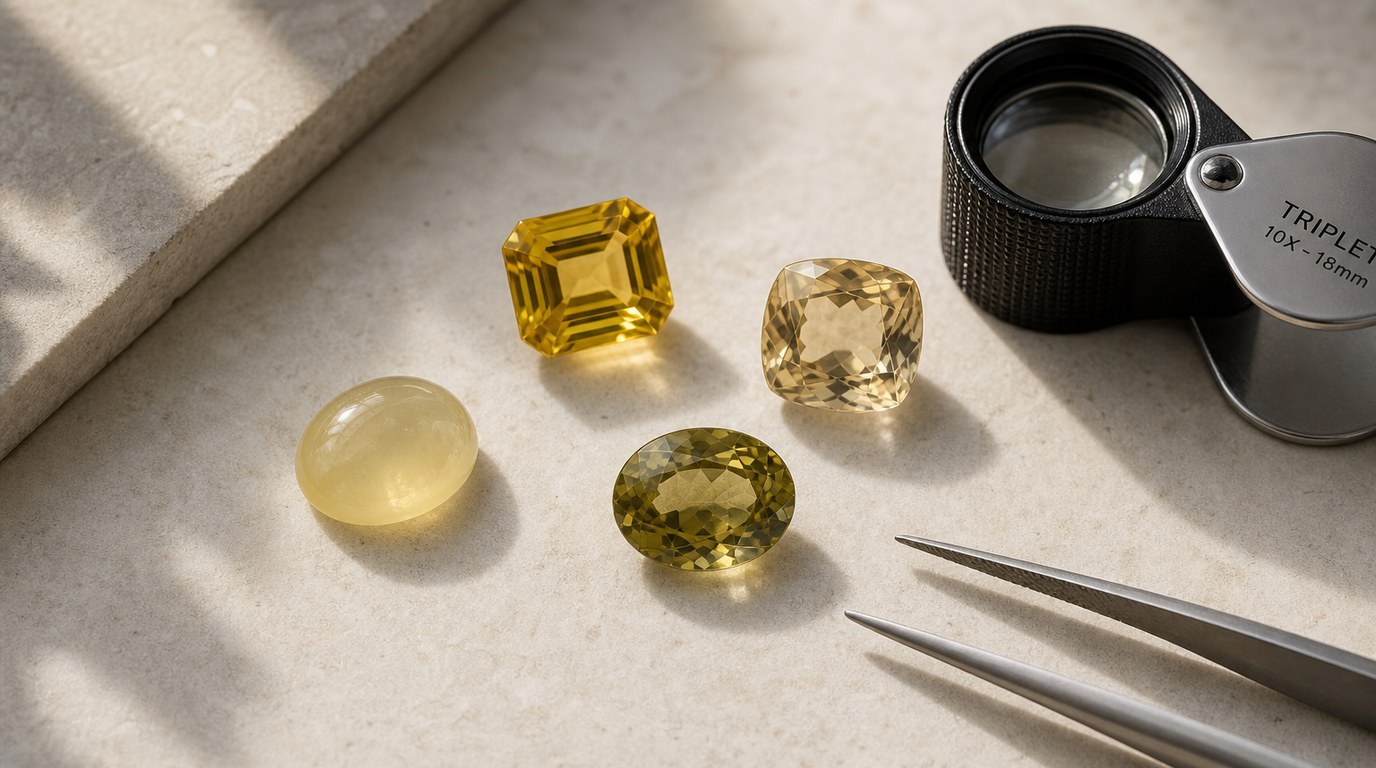
A gemstone is considered yellow when yellow is its dominant visible color, even if it also shows hints of gold, orange, brown, green, or champagne. Some yellow stones are naturally vivid and transparent, while others are cloudy, banded, waxy, or earthy.
The yellow color may come from trace minerals, natural inclusions, heat, or the stone’s organic origin, as with amber. In spiritual crystal work, the color itself matters because yellow is commonly connected with sunlight, warmth, vitality, and the solar plexus chakra. That is why many yellow gemstones are used for confidence, motivation, creativity, and a brighter emotional outlook.
How Yellow Gemstones Are Classified in This Guide
This guide organizes yellow gemstones by both physical type and spiritual use. Instead of treating every yellow stone as interchangeable, it separates them into practical groups: quartz-based crystals, precious or fine jewelry gems, earthy or organic stones, and golden stones with strong visual patterns or directional energy.
This matters because a transparent yellow sapphire is very different from a soft piece of amber or a banded tiger’s eye. Their durability, care needs, appearance, and traditional meanings all vary. Classification helps you choose a yellow gemstone with intention: one stone may suit daily jewelry, another may be better for meditation, and another may feel most supportive for grounding or emotional comfort.
Types of Yellow Gemstones at a Glance
| Yellow gemstone | Color range | Traditional meaning | Best suited for | Care note |
|---|---|---|---|---|
| Citrine | Pale yellow to golden orange | Joy, abundance, confidence | Beginners, manifestation, uplifting energy | Avoid long sun exposure |
| Yellow sapphire | Bright yellow to golden | Wisdom, success, prosperity | Jewelry, focus, long-term goals | Durable, but clean gently |
| Yellow topaz | Golden yellow to honey | Clarity, optimism, intention | Motivation, communication, personal direction | Avoid harsh impacts |
| Yellow diamond | Fancy yellow to champagne | Commitment, strength, radiance | Fine jewelry, symbolic milestones | Very durable |
| Amber | Honey, cognac, golden brown | Warmth, comfort, ancestral grounding | Soothing energy, gentle support | Soft; avoid heat and chemicals |
| Yellow jasper | Mustard, ochre, sandy yellow | Stability, endurance, grounding | Calm confidence, steady routines | Usually easy to care for |
| Tiger’s eye | Golden brown bands | Courage, protection, decision-making | Focus, boundaries, action | Keep away from harsh cleaners |
| Golden beryl | Pale yellow to golden | Direction, confidence, clear purpose | Mental clarity, goal setting | Durable but still handle mindfully |
Citrine: the Classic Yellow Crystal for Joy and Abundance
Citrine is one of the best-known yellow gemstones for beginners because its meaning is easy to understand: brightness, joy, generosity, and abundance. It belongs to the quartz family and appears in shades from pale yellow to deep golden orange.
Spiritually, citrine is often connected with the solar plexus chakra, confidence, and the ability to take positive action. Many people use it for manifestation practices, business intentions, creative projects, or simply to bring a sunnier feeling into a room.
One practical note: some citrine on the market is heat-treated amethyst. It can still be used spiritually, but natural citrine is usually paler and more smoky-golden.
Yellow Sapphire, Yellow Topaz, and Yellow Diamond: Bright Stones for Success and Commitment
Yellow sapphire, yellow topaz, and yellow diamond are often grouped together because they are transparent, brilliant, and commonly used in jewelry. Still, their meanings are not identical.
Yellow sapphire is traditionally associated with wisdom, prosperity, learning, and fortunate growth. In spiritual use, it suits people working toward long-term success, disciplined study, or a clearer sense of purpose.
Yellow topaz carries a slightly lighter, more expressive energy. It is often linked with optimism, clear intention, communication, and self-belief. It can be a helpful symbolic stone when you want to organize your thoughts and move forward with confidence.
Yellow diamond is the most enduring and commitment-focused of the three. Its spiritual associations include strength, radiance, loyalty, and lasting value. Because diamond is extremely hard, it also symbolizes resilience and clarity under pressure.
Amber and Yellow Jasper: Warm, Earthy Yellow Stones
Amber and yellow jasper are less “sparkling” than many yellow gemstones, but they are deeply comforting. They belong to a warmer, earthier side of the yellow gemstone family.
Amber is not a mineral crystal; it is fossilized tree resin. Its golden honey color gives it a gentle, sunlit quality. Spiritually, amber is often used for soothing, emotional warmth, memory, and connection to the natural world. Because it is soft and organic, it should be handled with more care than harder gemstones.
Yellow jasper is a grounding stone with mustard, ochre, or sandy tones. Its traditional meaning centers on stability, endurance, protection, and calm confidence. If citrine feels too bright or stimulating, yellow jasper may feel steadier and more practical.
Tiger’s Eye and Golden Beryl: Yellow Stones for Courage and Direction
Tiger’s eye and golden beryl are yellow-gold stones often chosen for focus, courage, and purposeful movement. They feel less soft than amber and less celebratory than citrine.
Tiger’s eye is easy to recognize because of its shifting golden bands, known as chatoyancy. Spiritually, it is associated with courage, protection, boundaries, and decision-making. Many people use it when they need to act with confidence rather than overthink.
Golden beryl, sometimes called heliodor, ranges from pale yellow to rich golden tones. It is traditionally connected with clarity, direction, and self-trust. Compared with tiger’s eye, golden beryl feels cleaner and more mentally focused, making it a meaningful choice for goal setting or personal vision.
How to Choose the Right Yellow Gemstone
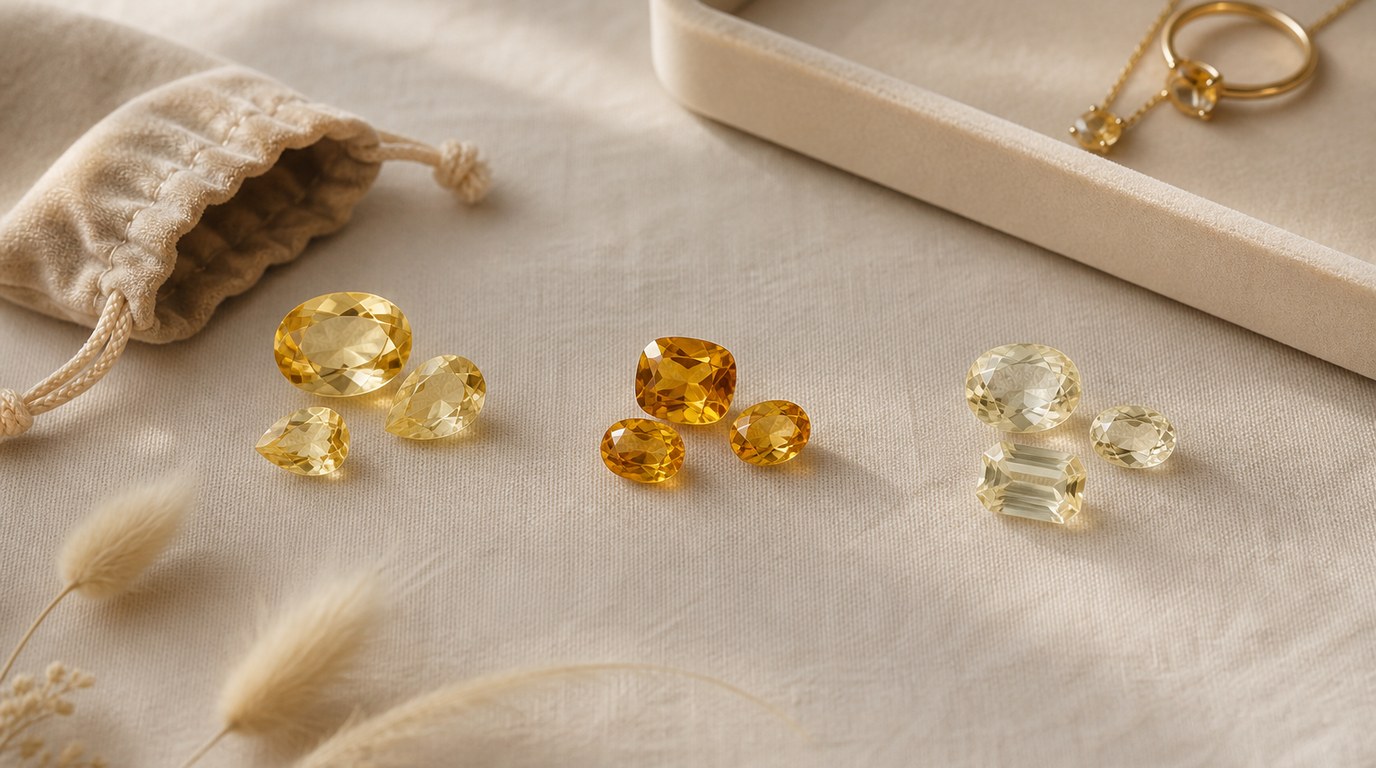
Choose a yellow gemstone by matching the stone’s main quality to your intention. For joy, abundance, and beginner-friendly energy, choose citrine. For wisdom, achievement, or spiritual prosperity, consider yellow sapphire. For clear intention and optimism, yellow topaz is a good fit.
If you want emotional warmth or gentle grounding, amber may be better than a bright transparent gem. For steady confidence and resilience, choose yellow jasper. For courage, boundaries, and action, tiger’s eye is especially useful. For clarity and direction, golden beryl is a strong symbolic choice.
Also consider practical use. Durable stones suit jewelry, while softer stones like amber are better for careful wear, meditation, or display.
Simple Care Tips for Yellow Gemstones
Most yellow gemstones can be cleaned with a soft cloth and mild soapy water, then dried carefully. Avoid harsh chemicals, ultrasonic cleaners, and prolonged direct sunlight unless you know the stone can handle them.
Amber needs extra care because it is soft and sensitive to heat. Citrine and other yellow crystals may fade with too much sun exposure. When in doubt, store yellow gemstones separately in a pouch or lined box to prevent scratches and preserve their surface.
FAQ
What Should a Beginner Know First About Yellow Gemstones?
Beginners should know that yellow gemstones share themes of warmth, confidence, joy, and personal power, but each stone has its own personality. Citrine is the easiest starting point, while amber, tiger’s eye, yellow jasper, and yellow sapphire offer different kinds of support.
What Matters Most When Evaluating Yellow Gemstones?
The most important factors are color, stone type, meaning, durability, and intended use. A bright yellow sapphire may be ideal for jewelry and success symbolism, while soft amber may be better for comfort and gentle energy work. Match the stone to your purpose.
What Mistakes Should Readers Avoid with Yellow Gemstones?
Avoid assuming all yellow gemstones have the same meaning or care needs. Amber is much softer than sapphire or diamond, and citrine has a different energy than tiger’s eye. Also avoid leaving sensitive yellow stones in strong sunlight for long periods.
What Is the Next Logical Step After Learning About Yellow Gemstones?
The next step is to choose one yellow gemstone that matches your current intention. Start with a simple use, such as carrying citrine for confidence, meditating with yellow jasper for steadiness, or wearing tiger’s eye when you need courage and focus.