
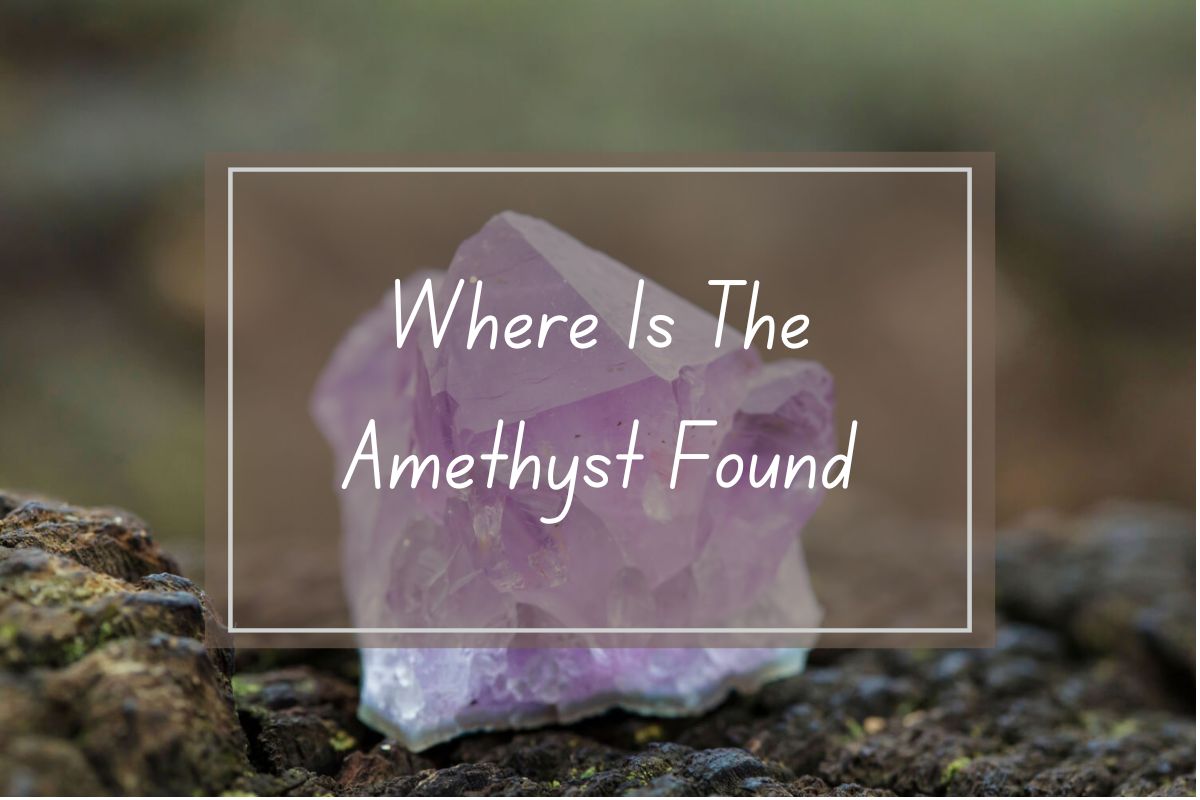
Are you curious about where to find the stunning purple gemstone known as amethyst? This beautiful variety of quartz catches your eye with its rich purple color and sparkly crystal formations. You might be surprised to learn these gems can show up in many places around the world.
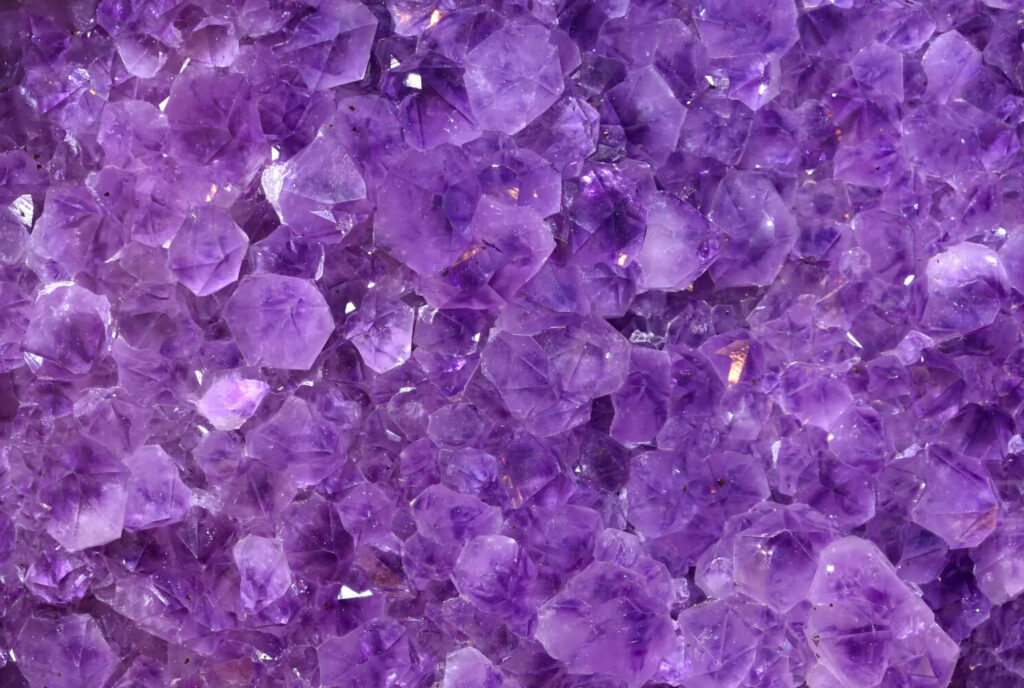
The biggest producers of amethyst today are Brazil, Bolivia, Uruguay, and Zambia, with high-quality deposits also found in Namibia, Siberia, and Sri Lanka. These purple crystals often form inside hollow spaces in rocks called geodes, created by ancient volcanic activity.
You can spot some amazing examples of amethyst formations, like the famous Empress of Uruguay. This massive geode stands over 10 feet tall, weighs 2.5 tons, and shows off the natural beauty of these purple crystals. Even in the United States, you can find amethyst in places like Virginia, where the gemstones appear in outcrops and gravel pits.
Formation and Characteristics
Amethyst gets its beauty from special conditions deep in the Earth that create its stunning purple color and crystal structure. You’ll find these gems forming in rocks across the globe through fascinating natural processes.
Geological Formation
The birth of amethyst happens in volcanic rocks and geodes. When hot fluids rich in silica flow through cracks and hollow spaces in rocks, they cool down and form crystals. These spaces often come from gas bubbles in ancient lava flows.
You can spot amethyst growing in igneous, sedimentary, and metamorphic rocks. The process needs the right mix of heat, pressure, and mineral-rich water.
Most amethyst forms in geodes – round rock cavities that let crystals grow freely. Brazil and Uruguay have many of these crystal-filled chambers in their basalt rocks.
Physical and Chemical Properties
Amethyst is a type of quartz made of silicon dioxide (SiO₂). You can identify it by these key features:
- Hardness: 7 on Mohs scale
- Crystal shape: Six-sided prisms
- Luster: Glassy shine
- Fracture: Clean breaks with smooth surfaces
The crystal structure stays the same in all amethysts. This gives the gem its strength and makes it great for jewelry.
Color and Variations
The purple color comes from iron impurities and natural radiation in the crystal. You’ll see many shades:
- Light lavender
- Deep royal purple
- Rich violet
Heat and sunlight can change the color. Some crystals show color zoning – bands of lighter and darker purple.
The best gems have clear crystals with deep, even color. Some pieces show special effects like:
- Color flashes
- Crystal growth patterns
- Phantom formations inside
Amethyst Deposits Around the World
Purple amethyst crystals form in many places across the globe. Rich deposits exist on every continent, with some regions known for producing higher quality gems than others.
Brazil and Rio Grande do Sul
Brazil leads the world in amethyst production, making up about 70% of global supply. Rio Grande do Sul, in southern Brazil, stands out as the most important mining region.
The city of Ametista do Sul earned its name from the abundant amethyst mines surrounding it. You’ll find massive geodes here, some reaching several meters in height.
Brazilian amethyst often forms in volcanic rock cavities. The gems range from pale lilac to deep purple, with many showing excellent clarity.
Local miners extract the crystals using both traditional and modern methods. Many mines offer guided tours where you can see the mining process firsthand.
Other South American Locations
Uruguay’s Artigas region produces stunning amethyst geodes. The crystals here often show deep, rich purple colors that collectors prize.
Bolivia’s eastern regions hold significant deposits too. These mines yield crystals with unique color zoning patterns.
You can spot differences between Uruguayan and Brazilian amethyst by their formation patterns. Uruguayan specimens typically form in larger geodes with darker colors.
African Resources
Zambia’s mines yield some of Africa’s finest amethyst crystals. The stones show deep purple hues that rival Brazilian specimens.
South African deposits produce gems with unique color variations. Many stones display attractive purple and red-violet combinations.
Mining operations in Namibia uncover high-quality crystals regularly. These gems often show excellent transparency and bright purple colors.
North American Sites
North Carolina’s Jackson County offers public dig sites where you can search for your own crystals. Local mines have produced collectible specimens for decades.
You’ll find notable deposits in:
- Georgia’s Graves Mountain
- Arizona’s Four Peaks region
- Maine’s Pleasant Mountain
- Ontario’s Thunder Bay area
European and Asian Deposits
Russia’s Ural Mountains contain historic amethyst mines. Local deposits have supplied beautiful crystals since the 18th century.
Germany’s Black Forest region holds small but significant deposits. These sites mostly produce collector-grade specimens.
Sri Lankan mines yield unique amethyst varieties. The stones often show unusual color patterns and exceptional clarity.
In Afghanistan, miners find amethyst in the Hindu Kush mountains. These deposits produce crystals with distinctive deep purple colors.
Amethyst Mining and Production
Mining amethyst takes special care to protect the delicate crystals. The process combines traditional methods with modern technology to extract these purple gems from rocks around the world.
Traditional Mining Techniques
You’ll find miners using basic tools like picks and hammers to carefully free amethyst from rock walls. In places like Brazil’s Minas Gerais region, workers chip away at basalt to reveal hidden geodes.
The mining process requires patience and skill. Miners look for signs of amethyst deposits in volcanic rocks and cavities.
Some famous traditional mines include Four Peaks in Arizona and Thunder Bay in Canada. These sites still use time-tested methods to protect the crystals during extraction.
Modern Production Practices
Today’s amethyst mining uses advanced tools and techniques. Modern mines employ diamond-tipped saws and specialized drilling equipment.
Large-scale operations in Namibia and Zambia use mechanical excavators to remove overburden. They combine this with precise hand-tools for the final extraction.
Key Modern Mining Tools:
- Diamond wire saws
- Hydraulic splitting equipment
- Ground-penetrating radar
- LED lighting systems
Economic Impact
The amethyst trade supports many local communities. Major production centers in Brazil’s Bahia state and Montana create hundreds of jobs.
The global amethyst market generates millions in revenue yearly. Small mines in Pennsylvania and Digby, Nova Scotia contribute to local economies.
Prices vary based on quality and size. Premium stones from well-known quarries command higher values in the market.
Mining regions often develop related industries like gem cutting and jewelry making. This creates additional employment and economic growth.
Uses of Amethyst
Amethyst brings beauty and versatility to your life in many exciting ways. This purple variety of quartz serves as a stunning gemstone, creates eye-catching decorative pieces, and holds special meaning for those interested in crystal properties.
As a Gemstone in Jewelry
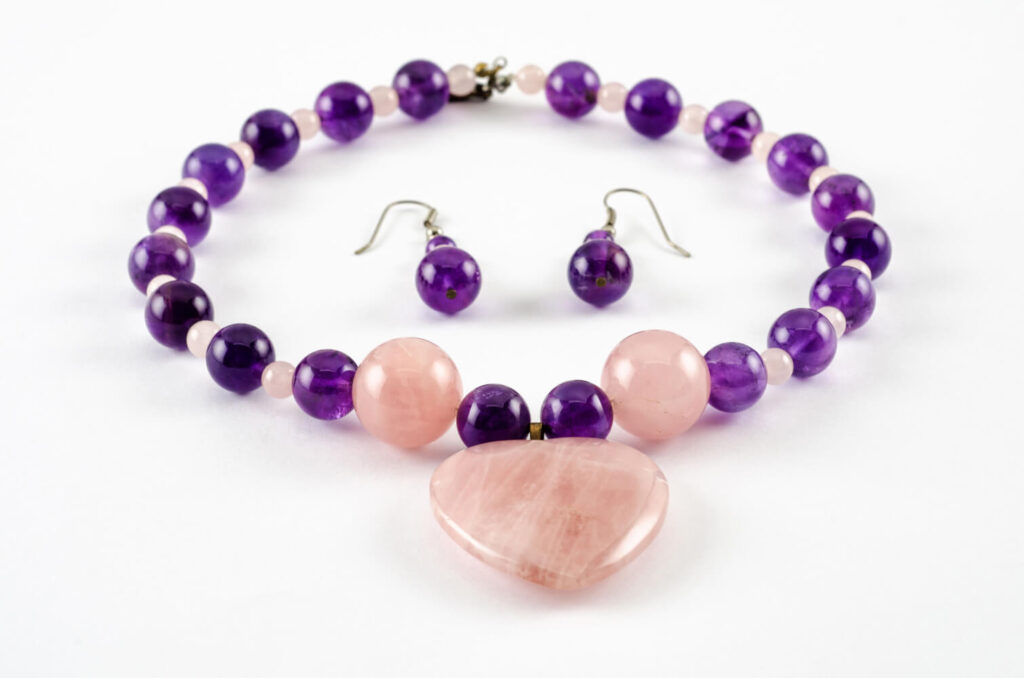
You’ll find amethyst featured in many types of jewelry, from elegant rings to stunning necklaces. Its purple color ranges from soft lavender to deep violet, making it perfect for different styles and preferences.
Top jewelers often pair amethyst with both silver and gold settings. The gem works beautifully in both casual and formal pieces.
Some unique varieties like ametrine combine amethyst’s purple with citrine’s golden hues in a single stone. Pink amethyst offers a softer, rose-tinted option for a more subtle look.
Decorative and Collector’s Pieces
Amethyst geodes make impressive display pieces in your home or office. These natural formations can range from small specimens that fit on a shelf to massive pieces that stand taller than you.
Mineral collectors prize amethyst clusters and points for their crystal formations and color variations. You can display these as standalone pieces or group them with other minerals.
Carved amethyst items like bowls, spheres, and figurines add a touch of natural elegance to any room.
Metaphysical Properties
Crystal enthusiasts value amethyst for its calming energy. Many people place amethyst pieces near their bed to promote peaceful sleep.
You might find amethyst used in meditation practices or crystal healing sessions. Its purple color is often linked to spiritual awareness and inner peace.
Some practitioners use amethyst clusters to cleanse other crystals or create calming spaces in their homes. Small tumbled stones are popular for carrying in pockets or using during mindfulness exercises.
Quality Grading of Amethyst
Amethyst quality depends on several key factors that affect its beauty and value. The best stones show deep purple colors and excellent clarity.
Determining Value and Price
The most valuable amethyst gems display rich, saturated purple colors without brown or gray tints. You’ll find premium stones have a medium to dark tone with strong purple saturation.
High-quality pieces are transparent and free from visible inclusions when viewed with the naked eye. Small inclusions may be present but shouldn’t affect the stone’s brilliance.
The bigger the stone, the higher the price – if other quality factors remain equal. Premium amethysts over 10 carats command significantly higher prices per carat.
Factors Affecting Quality
Color: Look for deep, rich purple hues. The most prized stones show reddish purple or pure violet colors without brownish undertones.
Clarity: Check for a clean, transparent appearance. Minor inclusions are normal but shouldn’t be easily visible.
Top-quality amethysts have:
- Even color distribution
- No visible color zoning
- Excellent polish and symmetry
- Free from chips or surface damage
The cut quality affects how light moves through the stone. A well-cut amethyst will appear bright and lively, showing strong flashes of light.
Famous Amethyst Stones and Specimens
Several stunning amethyst specimens have captured attention throughout history for their remarkable size, color, and beauty. Notable pieces can be found in prestigious museums and private collections worldwide.
Historical Significance
The Morris Amethyst Brooch features a breathtaking 96-carat heart-shaped Brazilian amethyst with deep purple coloring. This Edwardian-era piece showcases delicate filigree work that was popular in the early 1900s.
Brazilian amethysts have played a special role in jewelry history. The mines of Ametista do Sul produce some of the largest and most vivid purple crystals ever discovered.
You can see many historic amethyst pieces that were once worn by royalty and nobility. These gems were prized for their rich purple color, which was traditionally associated with power and wealth.
Museums and Collections
The Smithsonian Institution’s National Museum of Natural History houses several remarkable amethyst specimens. The Morris Brooch is one of their most treasured pieces.
You’ll find exceptional amethyst displays in natural history museums across the globe. Many showcase both raw crystals and cut gemstones to help you understand the stone’s transformation.
Private collectors often seek Brazilian amethyst specimens for their impressive size and deep purple hues. The most valuable pieces combine rich color with excellent clarity and minimal inclusions.
Caring for Amethyst Jewelry
Taking good care of your amethyst jewelry helps keep it beautiful and prevents damage. With proper maintenance and storage, your pieces can stay stunning for many years.
Cleaning and Maintenance
Clean your amethyst jewelry regularly with warm water and mild soap. Use a soft cloth or a brush with gentle bristles to remove dirt and oils.
Never use harsh chemicals or ultrasonic cleaners on your amethyst pieces. These can harm the stone’s surface and dull its purple color.
Pat your jewelry dry with a clean, soft cloth after cleaning. Make sure it’s completely dry before storing.
Avoid wearing your amethyst jewelry while swimming, showering, or using household cleaners. These activities can damage both the stone and its setting.
Storing and Handling
Keep your amethyst pieces separate from other jewelry to prevent scratches. While amethyst ranks 7 on the Mohs scale, harder gems can still damage it.
Store each piece in a soft cloth pouch or lined jewelry box. This protects your amethyst from dust and scratches.
Remove your amethyst jewelry before activities like gardening, sports, or heavy cleaning. Sudden impacts can chip or crack the stone.
Keep your pieces away from direct sunlight and heat. Too much exposure can fade your amethyst’s rich purple color over time.
Pick up your jewelry by the band or chain instead of grabbing the stone. This prevents oils from your fingers from building up on the amethyst.
Synthetic Amethyst and Imitations
Scientists can create perfect purple amethyst crystals in labs, while manufacturers make lookalike stones from glass and other materials. You’ll save money with synthetic options, but they lack the unique character of natural stones.
Lab-Grown Amethyst
Lab-grown amethyst has the same chemical makeup as natural amethyst – it’s real quartz crystal with a purple color. These synthetic stones cost much less, often under $1 per carat.
The lab process creates very clean, clear crystals with intense purple coloring. You’ll notice they look almost too perfect compared to natural stones.
Some companies market synthetic green quartz (prasiolite) and citrine as variations of lab-grown amethyst. These stones share the same crystal structure but show different colors.
Identifying Real vs. Fake
Natural amethyst contains tiny flaws and color variations that give each stone character. When you look closely, you’ll see these unique patterns and inclusions.
Glass imitations often have round bubbles trapped inside. You won’t find these in real amethyst, natural or synthetic.
Cubic zirconia (CZ) copies may look similar at first glance. Their sparkle appears different from genuine amethyst when you move them under light.
The most reliable way to spot fakes is to check for natural inclusions using a magnifying glass. Real stones show crystal growth patterns, while imitations have a more uniform appearance.
Amethyst in Culture and History
Purple amethyst holds deep cultural meaning across many societies. People have treasured this beautiful crystal for thousands of years, using it in jewelry, religious items, and royal decorations.
Ancient Lore and Significance
The word amethyst comes from Greek roots meaning “not drunk.” Ancient Greeks and Romans believed wearing amethyst would keep you sober and clear-headed.
Greeks made drinking cups from amethyst crystals. They thought the cups would stop them from getting drunk at parties and feasts.
Egyptian mines at Wadi el-Hudi provided much of the ancient world’s amethyst supply. The stones were popular with royalty and religious leaders.
Modern Symbolism and Use
Today you’ll find amethyst in many types of jewelry pieces. Its purple color makes it perfect for unique engagement rings and statement necklaces.
Many people wear amethyst to feel more focused and balanced. The stone shows up in meditation spaces and healing practices.
Modern jewelry designers love working with amethyst because it’s both beautiful and affordable. You can find it in delicate pendants or bold cocktail rings.
Popular Modern Uses:
- Fashion jewelry
- Meditation stones
- Home decoration
- Crystal collections
- Religious items
Rockhounding and Collecting
Finding amethyst takes preparation and knowledge of the right locations. You’ll need to follow rules and bring the proper tools to have a successful hunt.
Amethyst Hunting Tips
Start by researching spots known for amethyst like Jackson’s Crossroads in Georgia or Diamond Hill in South Carolina. These locations often have large, high-quality crystals.
Pack essential tools for your hunt:
- Rock hammer and chisel
- Safety glasses and gloves
- Bucket or bag for specimens
- GPS device
- First aid kit
Look for purple crystals in granite outcrops and quartz veins. Many good specimens hide in small pockets or cracks in the rock face.
Legal Considerations
Always get permission before collecting on private land. Many popular sites require permits or have specific rules about what you can take.
Public lands often have limits on how much amethyst you can collect. Check with local authorities about:
- Daily collection limits
- Required permits
- Restricted areas
- Tool restrictions
Some locations like Deer Hill in Maine need advance arrangements. Call ahead to confirm current rules and schedules.
Most fee-mining sites provide tools and guidance. These places offer a safe, legal way to start rockhounding.