
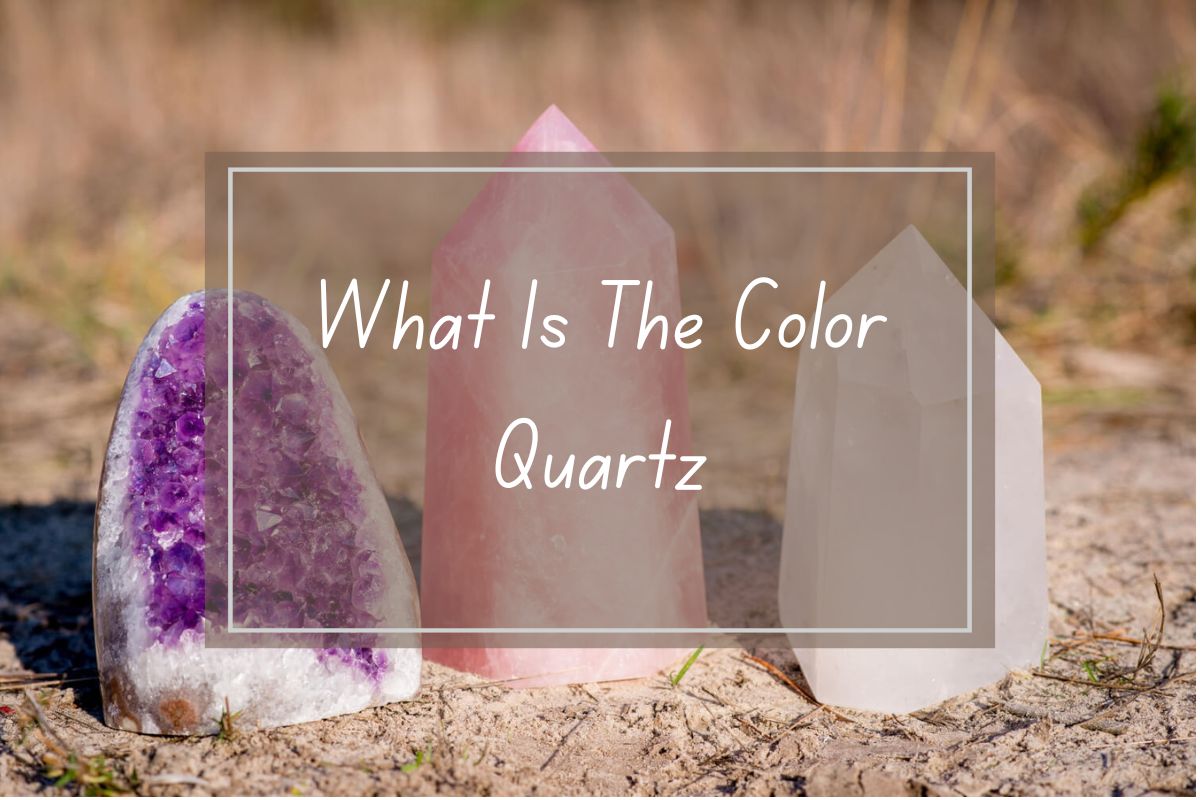
Quartz comes in an amazing range of colors that can brighten up any space or jewelry collection. From pure white to deep black, and every shade in between, this versatile crystal shows up in nature with countless beautiful variations.
Your quartz might be colorless, white, purple, yellow, brown, pink, or even black depending on tiny amounts of other minerals mixed in during its formation. These natural impurities create the rainbow of quartz varieties you’ll find in stores and mineral shops.
Many people love white quartz for its clean, peaceful look in home decor and jewelry. You might recognize popular varieties like purple amethyst or smoky grey quartz in everything from countertops to crystal collections. Each color brings its own special beauty and charm to this common but fascinating mineral.
Understanding Quartz
Quartz exists as one of Earth’s most abundant minerals, made of pure silica in a crystalline form. It plays a key role in both natural formations and human-made materials.
Physical and Chemical Properties
Quartz has a chemical formula of SiO2, which means it contains silicon and oxygen atoms. You can easily identify it by its hardness level of 7 on the Mohs scale, making it harder than steel.
The crystal structure gives quartz its unique properties. You’ll find it breaks in a distinctive way called conchoidal fracture, similar to how glass breaks.
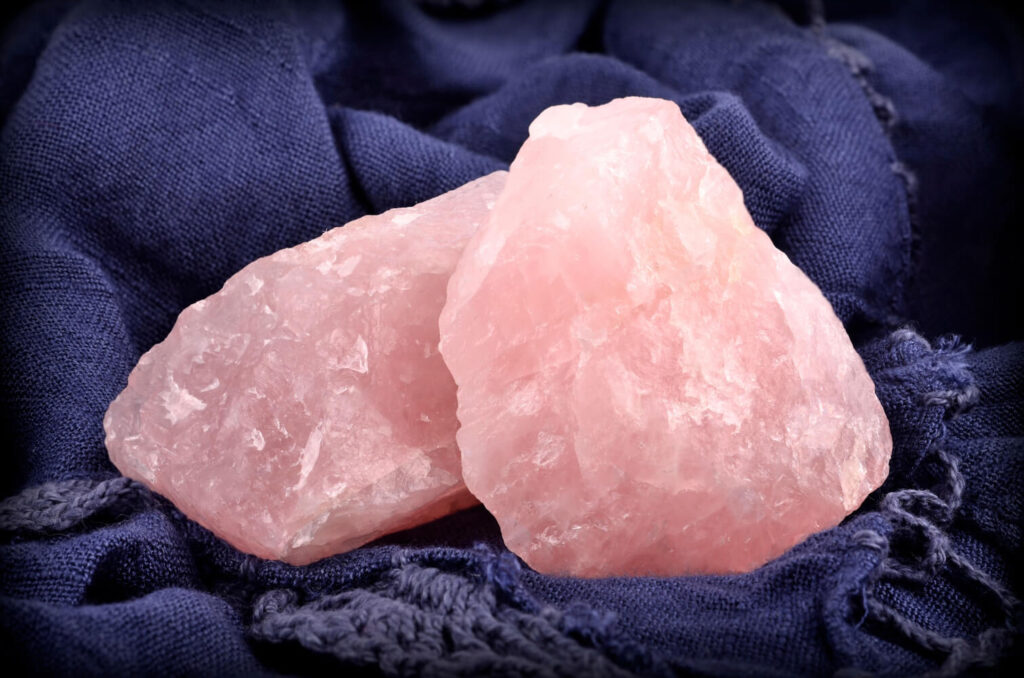
Pure quartz is clear, but tiny amounts of other elements create different colors. Iron makes purple amethyst, while titanium creates rose quartz.
Engineered stone products use crushed quartz mixed with resins to make durable countertops. You’ll often see these in modern kitchens and bathrooms.
Historical Significance
Ancient civilizations treasured quartz crystals. You might be interested to know that Romans used clear quartz as “eternal ice” in cooling drinks.
People have used quartz in tools and decorative items for thousands of years. Native Americans crafted arrowheads from it, while European cultures used it in jewelry.
Early radio technology relied on quartz crystals. You can still find quartz in modern electronics, where it helps keep accurate time in watches and computers.
Crystal healing practices across many cultures have featured quartz. Egyptian pharaohs placed quartz in tombs to guide spirits in the afterlife.
The Science of Color
Colors come from how light interacts with objects. When light hits quartz crystals, some wavelengths get absorbed while others bounce back to create the colors you see.
Color Theory Basics
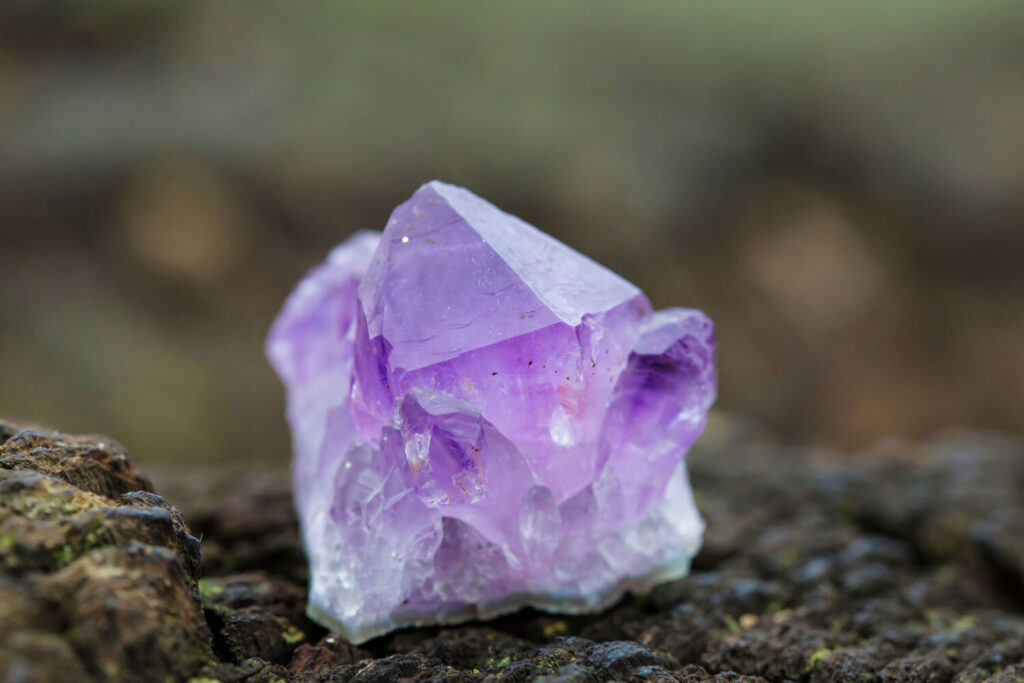
Different types of quartz display unique colors based on their crystal structure and mineral content. Clear quartz contains no impurities, letting all light pass through. Iron creates purple amethyst and orange citrine, while manganese makes rose quartz pink.
Natural light hits the crystal surface at different angles. This creates special effects like:
- Rainbow reflections
- Color zoning
- Color banding
- Transparency variations
Understanding Color Codes
You can describe quartz colors using several standard systems:
RGB Values:
- Clear quartz: RGB(255, 255, 255)
- Rose quartz: RGB(255, 190, 200)
- Smoky quartz: RGB(115, 110, 105)
Pantone matches help jewelry makers and collectors identify specific quartz shades. The HSL system measures three key traits:
- Hue (basic color)
- Saturation (color intensity)
- Lightness (brightness level)
Quartz Color Varieties
Quartz crystals display an amazing range of colors and patterns in nature, from clear to vibrant purples and soft greens. Each color brings its own special beauty and meaning to this remarkable crystal family.
Spectrum of Quartz Colors
Clear quartz is the most common type, acting like pure glass in its transparency. You’ll find amethyst showing off lovely purple shades from light lavender to deep violet.
Citrine brings warm yellow tones that can range from pale lemon to honey-amber. Green quartz, called prasiolite, is quite rare and has a gentle sage-like color.
Red quartz varieties include rose quartz with its soft pink hue. Brown quartz appears in smoky tones from light tan to rich chocolate colors.
Gray quartz shows up in cloudy patterns, while off-white quartz has a milky appearance. Some pieces even combine multiple colors, like ametrine which mixes purple and yellow zones.
Meaning Behind Quartz Colors
Different quartz colors connect to various properties and uses. Purple amethyst is linked to peace and spiritual growth. You might choose rose quartz for its connection to love and healing.
Yellow citrine brings energy and joy to your space. Clear quartz works as an amplifier for other crystals.
Green prasiolite supports growth and renewal. Smoky brown quartz helps ground your energy.
Many people pick their quartz based on both the visual appeal and these traditional meanings. The color you’re drawn to often matches what you need most in your life.
Remember that natural quartz colors form through specific mineral conditions and heat during crystal growth. Each shade tells a story of its creation deep within the earth.
Designing With Quartz
Quartz brings both beauty and function to spaces through its wide range of colors and patterns. The right design choices make quartz surfaces stand out while creating harmony with other elements in your home.
Quartz in Home Interiors
Your kitchen countertops set the tone for the entire room. Consider pairing light gray quartz with white cabinets for a clean, modern look. For a bolder statement, try dark quartz countertops with brass hardware.
Light-colored quartz works great in small spaces, making rooms feel bigger and brighter. Popular choices include:
- Calacatta-style with gray veining
- Speckled white with subtle patterns
- Cream tones with soft movement
Quartz backsplashes can match or contrast your countertops. A matching look creates flow, while contrasting colors add visual interest.
Color Coordination and Palettes
Start by choosing your main quartz color based on your existing cabinets and flooring. White and gray quartz complement most color schemes.
Try these winning combinations:
- White quartz + navy cabinets
- Black quartz + natural wood
- Beige quartz + sage green
Your quartz color should work with both your current style and future design changes. Neutral tones offer the most flexibility.
Match metal finishes to your quartz undertones. Cool grays pair well with chrome, while warm beiges complement brass or copper.
Quartz Countertops
Quartz countertops blend style and durability to create stunning surfaces for your home. These engineered stone surfaces come in countless colors and patterns to match any design vision.
Selecting the Right Quartz Countertop
White and black quartz remain top choices in 2025, offering timeless appeal that works with any kitchen style. These neutral options create an elegant backdrop for your space.
Gray and beige tones provide versatile alternatives that hide daily wear while maintaining a sophisticated look. Many designs feature subtle veining that mimics natural stone.
Bold blues, greens, and yellows can make your countertop a striking focal point. These vibrant options let you express your personality through your kitchen design.
Popular quartz colors include:
- Classic white with gray veining
- Solid black
- Warm beige
- Cool gray
- Deep blue
Maintenance and Longevity
Your quartz countertop resists stains and scratches better than natural stone. Daily cleaning only requires warm water and mild soap to keep surfaces looking fresh.
You don’t need to seal quartz like other stone surfaces. The non-porous material prevents bacteria growth and makes cleanup simple.
Avoid placing hot pots directly on the surface. Use trivets and cutting boards to protect your investment.
With proper care, your quartz countertop can maintain its beauty for 15-20 years. The durable material stands up to daily kitchen activities while keeping its color and shine.
Color Matching and Schemes
Picking colors that work together can make your quartz countertops stand out beautifully in your space. The right color combinations create visual interest while maintaining a balanced, cohesive look.
Complementary and Analogous Palette
Complementary colors sit opposite each other on the color wheel and create striking contrasts. A cream-colored quartz pairs wonderfully with soft blues or navy cabinets. White quartz looks crisp against sage green walls.
Analogous colors are next to each other on the wheel. Try pairing beige quartz with warm browns and tans for a soothing feel. Gray quartz works nicely with blues and purples.
Pro tip: Bring home large samples of your paint, cabinet, and quartz options. Test them in your lighting at different times of day.
Advanced Color Schemes
Split-complementary palettes use a main color plus two colors adjacent to its complement. White quartz looks great with both burgundy and navy accents.
The tetradic scheme uses four colors in a rectangle on the wheel. Try:
- White quartz (RGB: 255,255,255)
- Navy cabinets (RGB: 0,0,128)
- Sage walls (RGB: 176,208,176)
- Rust accents (RGB: 183,65,14)
Living with your color samples for a few days helps ensure you’ll love the final combination. Paint small test patches on your walls to see how everything works together.
Quartz in Commercial Designs
Quartz brings a perfect blend of style and function to commercial spaces like offices, restaurants, and retail stores. The engineered stone surfaces shine with natural crystal beauty while standing up to daily wear and tear.
Durability and Aesthetics
Your commercial space needs surfaces that look great and last. Quartz delivers both. The engineered stone resists scratches, stains, and impacts – perfect for high-traffic areas like reception desks and conference tables.
The crystal-like sparkle creates an elegant, professional look that stays beautiful year after year. You’ll find endless design options with colors ranging from crisp whites to warm grays.
The non-porous surface prevents bacteria growth, making it ideal for commercial kitchens and food service areas. Cleaning is quick and simple with just soap and water.
Branding With Color
Your brand identity comes alive through thoughtful color choices. Quartz offers countless options to match your company’s style.
Want a modern tech vibe? Choose sleek whites with subtle shimmer. Going for warm and welcoming? Pick rich earth tones or soft grays.
Reception areas shine with dramatic veined patterns that catch the light. Conference rooms feel more professional with solid neutrals that don’t distract from meetings.
The consistent coloring throughout the material means your branded spaces maintain their look even with heavy use. No fading or discoloration to worry about.
Quartz Brands and Collections
Many leading manufacturers create stunning quartz countertops in a wide range of colors and styles. You’ll find options from reliable brands and special collections to match your design vision.
Leading Brands in Quartz
Caesarstone stands out as a top quartz manufacturer with over 40 unique colors in their lineup. You can choose from popular options like Piatra Grey for a sophisticated look or Atlantic Salt for a natural coastal feel.
Samsung offers 47 different quartz variations that range from light to dark shades. Their Halo collection brings bright, airy options to your space.
Cambria produces all their quartz in the United States, focusing on quality control and consistent patterns. You’ll get reliable results with every slab.
Special Edition Quartz Collections
Caesarstone’s Vanilla Noir collection brings bold dark tones with subtle veining that mimics natural stone. The dramatic patterns make a statement in any kitchen.
The Concetto Collection incorporates semi-precious stones like agate and tiger’s eye. These unique surfaces create one-of-a-kind looks for special projects.
Cosmopolitan White offers a clean, modern appearance that works well in contemporary spaces. The crisp white base features delicate patterns that add visual interest without overwhelming the design.
The Process of Quartz Manufacturing
Modern quartz manufacturing combines natural stone with advanced technology to create beautiful, durable surfaces. The process transforms raw quartz into engineered stone through careful mixing, coloring, and pressing.
From Silica to Quartz Surfaces
Raw quartz starts as pure silica, which gets crushed into small pieces. These pieces mix with special resins and binding materials in precise amounts – usually about 90% quartz and 10% resins.
The mixture looks like wet sand at first. Special machines press this mixture under intense heat and pressure to create solid slabs.
Each slab goes through a careful inspection process to check for any flaws or imperfections. The surface gets polished to achieve that smooth, glossy finish you see in finished countertops.
Color Infusion in Quartz
You can find quartz in almost any color or pattern you want. Manufacturers add pigments and special materials during the mixing stage to create unique looks.
Want the look of marble? They’ll add white pigments and gray veining. Looking for something bold? Rich pigments can create deep blues, reds, or blacks.
Some designs include tiny mirrors or metallic flakes to add sparkle. Others mix different colored quartz pieces to create speckled patterns.
The color goes all the way through the material, not just on the surface. This means scratches won’t reveal a different color underneath.
Inspirational Uses of Quartz
Quartz brings beauty and sparkle to many creative projects in your life. Its pure white color and natural shine make it perfect for art and fashion pieces.
You can find quartz in stunning jewelry designs. Many artists use white quartz crystals to create necklaces, rings, and bracelets that catch the light beautifully.
Your home decor can shine with quartz art pieces. Artists often use this crystal to make elegant sculptures, decorative bowls, and eye-catching wall hangings that add a peaceful touch to any room.
Fashion designers love working with quartz in clothing and accessories. You might spot quartz beading on fancy dresses or delicate embellishments on handbags that make them sparkle.
Creative ways to use quartz in your projects:
- Crystal garden displays
- Handmade jewelry pieces
- Mosaic art designs
- Fashion accessories
- Decorative sculptures
The clean look of white quartz makes your artistic creations feel calm and pure. Its natural beauty can transform simple items into special pieces that catch everyone’s eye.
Remember that each quartz crystal has its own unique pattern. This means your art or fashion pieces will always be one-of-a-kind when you work with this versatile stone.