
Colors have a powerful effect on your mood and well-being. From bright, cheerful yellows to calming blues, each color can influence how you feel and think throughout the day. Many people use these effects to create spaces that promote healing and relaxation.
The most effective healing colors are green and blue, which can reduce stress and promote a sense of peace and balance in your body and mind. Green connects to growth and renewal, while blue brings tranquility and emotional healing. These gentle colors work well in meditation spaces and healthcare settings.
If you want to see how these energies map to each chakra, the chakra colors guide breaks them down for beginners.
Color therapy has roots in ancient healing practices from Egypt and China. Today, many hospitals and wellness centers use specific colors to create environments that help patients feel more comfortable. You can bring these benefits into your own space by choosing colors that match your healing needs – whether you want to feel more energized, peaceful, or balanced.
The Basics of Color Therapy
Color therapy uses specific colors to improve physical and emotional well-being. This natural healing method dates back thousands of years and continues to help people feel better today.
Understanding Chromotherapy
Chromotherapy is a gentle healing practice that uses colors to balance your body’s energy. Each color has unique properties that can affect different parts of your health.
Colors work through your eyes and skin to influence your body’s energy centers. When you’re exposed to specific colors, they can trigger changes in your physical and mental state.
Think of color therapy like a tool in your wellness toolkit. You can use it alongside other treatments to support your healing journey.
Effects of Color on Mood and Energy
Different colors create different reactions in your mind and body:
- Red: Boosts energy and motivation
- Blue: Promotes calm and reduces pain
- Green: Supports balance and peace
- Yellow: Lifts spirits and increases focus
- Orange: Enhances creativity and joy
Your brain responds to colors even when you don’t notice it. Simple changes like wearing certain colors or adding them to your space can shift your mood.
Importance of Colors in Healing
Color therapy can help with many aspects of wellness. You might use blue light to feel more peaceful or red to feel more energized.
Many healers combine color therapy with other practices like:
- Meditation
- Art therapy
- Light therapy
- Room decoration
- Clothing choices
Start small by noticing how different colors make you feel. Pay attention to which colors draw you in or make you feel good. Trust your instincts about what works for you.
Influence of Colors on Mental Health
Colors affect your mental state and emotions in powerful ways. Different shades can lift your mood, calm your mind, or spark new ideas.
Alleviating Depression and Anxiety
Blue and green tones create peaceful feelings that help reduce stress and worry. These colors remind you of nature and can lower your heart rate.
Light blue shades promote relaxation and better sleep, which helps fight depression symptoms. Try painting your bedroom walls in soft blue or adding blue decorative items.
Green brings balance and harmony to your space. Adding plants or forest-green accents can help you feel more grounded during anxious moments.
Promoting Mental Clarity and Self-Awareness
Purple enhances your focus and helps you think more clearly. This color connects to wisdom and spiritual growth.
White spaces keep your mind clear and organized. Clean, bright rooms with white walls can help you process thoughts better.
Yellow improves memory and concentration. Adding small yellow elements to your workspace can boost mental sharpness.
Colors to Boost Positivity and Creativity
Orange stimulates creative thinking and social connection. Put orange items in areas where you brainstorm or meet with others.
Red gives you energy and motivation when you feel stuck. Use small red accents rather than large areas to avoid feeling overwhelmed.
Pink reduces anger and creates gentle, loving feelings. Soft pink tones help you stay positive during challenging times.
Try these creative ways to add color:
- Paint an accent wall
- Buy colorful pillows or blankets
- Display artwork with mood-boosting colors
- Use colored light bulbs
- Wear clothes in colors that make you feel good
Physical Healing and Colors
Colors can affect your body in real ways, from changing your blood pressure to helping you sleep better at night. Different colors trigger specific responses in your brain that lead to physical changes in your body.
Color Impacts on Immune System and Blood Pressure
Blue and green can help lower your blood pressure by creating a calming effect on your nervous system. These cool colors slow your heart rate and help you relax.
Red light exposure can boost your immune system by increasing white blood cell production. Just 20 minutes of red light therapy may help your body fight off infections more effectively.
Using these colors in your bedroom or office through paint, lights, or decorations can create these benefits throughout your day.
Sleep Improvement and Insomnia Management
Soft blue light helps your brain produce melatonin, the sleep hormone that regulates your natural sleep cycle. Try using blue-tinted night lights or wall colors in your bedroom.
White noise machines with gentle blue lights can create the perfect environment for falling asleep faster.
Avoid bright red and orange colors before bedtime – these energizing shades can make it harder to wind down.
Digestive and Skin Health Benefits
Yellow and orange colors may stimulate your digestive system and increase appetite. Adding these warm colors to your dining area could help improve digestion.
Green light therapy shows promise in treating skin conditions. Studies found that exposure to green light can reduce inflammation and speed up healing of minor cuts and bruises.
Try using green-tinted moisturizers or LED face masks to support your skin’s natural healing process.
Energetic Properties of Colors
Colors affect your physical, mental, and spiritual well-being through their unique vibrations and frequencies. Different colors carry specific energy patterns that can help restore balance in your body and mind.
Understanding Warm and Cool Colors
Warm colors like red, orange, pink, and yellow bring activating energy to your space. These shades boost circulation and increase physical energy levels. You’ll often feel more motivated and uplifted when surrounded by warm tones.
Cool colors including blue, green, and violet create calming effects in your environment. These peaceful shades help slow down racing thoughts and reduce stress. Your body naturally relaxes when exposed to cool colors.
Using color combinations:
- Mix warm colors to energize
- Blend cool colors to calm
- Balance both for harmony
Energy Levels Regulation
Your energy shifts when you interact with different colors. Red and orange stimulate and energize when you feel sluggish. Blue and green balance high energy and anxiety.
Pink promotes gentle healing energy that nurtures without overwhelming. You can use it to create a supportive atmosphere for recovery.
Green acts as a natural balancer. It helps regulate your energy – lifting you up when low and calming you down when stressed.
Colors for Spiritual and Emotional Healing
Purple enhances spiritual awareness and inner wisdom. You can use it during meditation or reflection time.
Blue promotes emotional stability and clear communication. It helps release stored tension and worry.
Green encourages heart healing and compassion. Surrounding yourself with green helps process emotional pain.
Pink opens the heart to give and receive love. It creates a gentle space for emotional healing.
Color healing tips:
- Wear colors that match your needs
- Paint rooms in supportive shades
- Use colored lights for therapy
- Choose crystals by color properties
Color Associations with Chakras
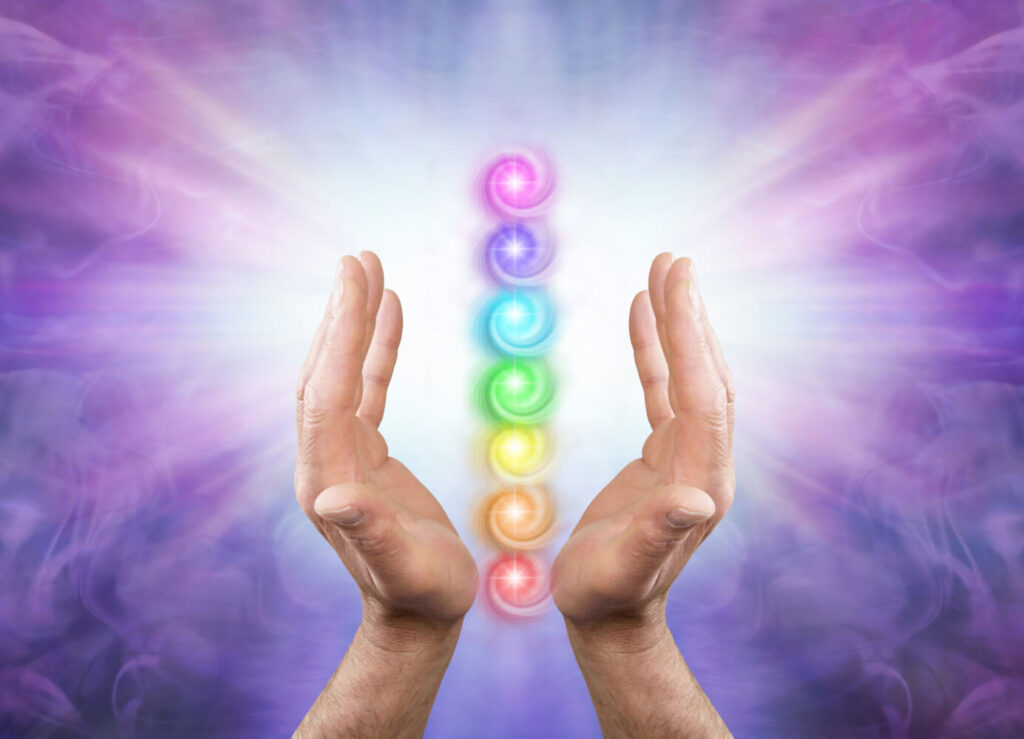
Your body contains seven main energy centers called chakras, each connected to specific colors that match their unique vibrations and healing properties.
Chakra Colors and Their Meanings
The root chakra radiates a deep red color and connects you to feelings of safety and stability. Located at the base of your spine, it helps you feel grounded and secure.
The sacral chakra glows with orange energy, linking to your creativity and emotions. You’ll find it just below your belly button.
Your solar plexus chakra shines bright yellow, representing personal power and confidence. It sits in the upper abdomen.
The heart chakra pulses with green light, relating to love and compassion. It rests in the center of your chest.
Your throat chakra emanates blue energy, supporting communication and self-expression.
The third eye chakra shows indigo, connecting to intuition and inner wisdom. You’ll find it between your eyebrows.
The crown chakra displays violet or white light, representing spiritual connection. It sits at the top of your head.
Balancing Chakras through Color Selection
Wear clothes in chakra colors to support specific energy centers. Red clothing can help you feel more grounded, while green items may open your heart to giving and receiving love.
Surround yourself with objects in chakra colors. Place blue items near your workspace to boost communication, or add yellow decorations to increase confidence.
Try color meditation by focusing on the chakra color you want to strengthen. Picture yourself bathed in that color’s light for 5-10 minutes.
Use crystals that match chakra colors in your healing practice. Red jasper supports the root chakra, while purple amethyst connects to crown chakra energy.
The Psychology of Color Choices
Colors shape your daily experiences and interactions by triggering specific emotional and behavioral responses in your brain. Each color carries unique psychological effects that influence how you feel and connect with others.
Impact on Emotions and Behavior
Your brain processes colors differently, creating distinct emotional responses. Red can boost your energy levels and increase your heart rate, making it useful when you need motivation.
Blue promotes calm and reduces stress. Many people find that surrounding themselves with blue helps them relax and think more clearly.
Yellow lifts your spirits and increases positivity. Adding touches of yellow to your space can help brighten your mood on difficult days.
Green connects you to feelings of growth and balance. It’s one of the easiest colors for your eyes to process, making it ideal for long-term exposure.
Influence on Communication and Interpersonal Relations
Colors affect how you connect with others and express yourself. Wearing warm colors like orange can make you appear more approachable and friendly in social situations.
Purple traditionally signals wisdom and creativity. Using purple in your workspace might help spark new ideas during group projects.
Neutral colors like brown create feelings of stability and trust. These shades work well when you want to build confidence in professional settings.
The colors you choose for your environment impact how others perceive and interact with you. Soft, muted tones encourage open communication while bright, bold colors command attention.
Colors to Enhance Well-Being and Relaxation
Specific colors can help create spaces that promote calmness and lift your spirits. The right color choices in your environment can make a big difference in how you feel each day.
Promoting Relaxation and Reducing Stress
Blue shades create a peaceful atmosphere that helps lower blood pressure and heart rate. Light blue tones remind you of clear skies and calm waters, making them perfect for bedrooms and meditation spaces.
Green brings nature’s tranquility indoors. Adding green elements to your space helps balance your mind and reduce anxiety. Try incorporating plants or soft sage-colored walls in areas where you want to feel more serene.
White spaces feel clean and uncluttered, which can help quiet a busy mind. Paint an accent wall white or add white textiles to create a sense of spaciousness and peace.
Using Colors to Foster Happiness and Optimism
Yellow brightens your mood and increases energy levels. Paint a kitchen wall yellow or add yellow accessories to spaces where you start your day.
Pink tones promote feelings of love and joy. Soft pink creates a gentle, uplifting environment that’s perfect for creative spaces or reading nooks.
Orange combines energy with warmth to boost your spirits. Add small pops of orange through artwork or pillows to create cheerful focal points without overwhelming the space.
Try mixing these happy colors with calming ones to create balanced spaces that both energize and soothe you throughout the day.
Therapeutic Applications of Color
Colors can improve your health and well-being in many ways. Scientists and medical professionals use specific colors and light wavelengths to treat various conditions.
Circadian Rhythms and Blue Light Therapy
Blue light plays a key role in regulating your sleep-wake cycle. Your body naturally responds to blue wavelengths by becoming more alert and energized during daylight hours.
Morning exposure to blue light helps reset your internal clock and boost your energy levels. Try getting 15-30 minutes of bright light exposure early in the day.
At night, reducing blue light from screens and LED bulbs helps your body produce melatonin for better sleep. Consider using blue light filtering apps or glasses in the evening.
Color Therapy in Medical Settings
Many hospitals now use color to create more healing spaces. Soft blues and greens in patient rooms can lower blood pressure and anxiety levels.
Bright, cheerful colors in pediatric units help lift children’s spirits during treatment. Yellow and orange tones are often used in physical therapy areas to energize patients.
Some facilities use colored lighting that changes throughout the day to match natural circadian patterns. This helps patients maintain better sleep cycles during long hospital stays.
Colors to Aid Recovery from Seasonal Affective Disorder
Light therapy boxes that mimic natural sunlight can reduce SAD symptoms. Using one for 20-30 minutes each morning often helps improve mood and energy.
Cool white or blue-tinted light works best for SAD treatment. The light should be 10,000 lux in brightness for maximum effectiveness.
Place your light therapy box at eye level or above, and sit about 16-24 inches away while reading or working. Morning sessions work better than evening use for most people.
Taking breaks outside in natural daylight can boost the benefits of light therapy. Even on cloudy days, outdoor light is much brighter than indoor lighting.
Culturally Significant Colors and Their Healing Properties
Different cultures have used specific colors for healing practices across thousands of years. These ancient traditions continue to influence modern healing methods and color therapy techniques.
Traditional Healing and the Role of Colors
Ancient Egyptian healers used colored rooms with filtered sunlight to treat various ailments. They believed gold represented divine healing power, while deep blue promoted peaceful rest and recovery.
In Chinese medicine, red symbolizes vitality and blood circulation. Traditional healers used red herbs and materials to boost energy levels and strengthen the body’s core.
Native American healing practices embrace green as a connection to nature’s healing power. Medicine men often incorporated green plants and stones in their ceremonies.
Indian Ayurvedic tradition links indigo to intuition and inner wisdom. Purple represents spiritual healing and mental clarity in their ancient texts.
Modern Interpretations of Ancient Color Wisdom
Your modern healing space can include white to create a clean, pure environment that promotes recovery. Many hospitals now use this approach in their design.
Blue remains popular in wellness centers because it helps you feel calm and reduces stress. Try adding light blue elements to your rest areas.
Green brings balance and harmony to healing spaces. You might notice more medical offices using sage and mint tones in their décor.
Research shows that pink can reduce aggressive behavior. Some therapy rooms now feature soft pink walls to help create a gentle, nurturing atmosphere.
Making Mindful Color Choices for Daily Life
Color choices have a direct impact on your mood, energy levels, and well-being. Smart color selection in your surroundings and clothing can create positive changes in your daily experiences.
Enhancing Your Environment with Color
Paint your bedroom walls in soft blue or gentle green tones to create a calming space for better sleep. Choose warm yellows or oranges in your home office to boost your energy and creativity during work hours.
Add colorful throw pillows, artwork, or plants to inject healing colors into any room without permanent changes. Place a blue rug in your meditation space to promote peaceful feelings.
Consider lighting too – use warm white bulbs in relaxation areas and brighter daylight bulbs in workspaces. Natural light through colored curtains can create soothing effects throughout the day.
Personal Attire and Color Selection
Pick clothing colors based on the energy you want to project or receive. Wear red when you need confidence, blue for focus, or green for balance.
Start small with colorful accessories like scarves or jewelry to test how different colors affect your mood. Notice which colors make you feel most energized or relaxed.
Match your outfit colors to your daily activities. Choose peaceful purples for yoga class or bright yellows for social events.
Layer different shades of the same color for a harmonious look that maintains the healing benefits you’re seeking.