
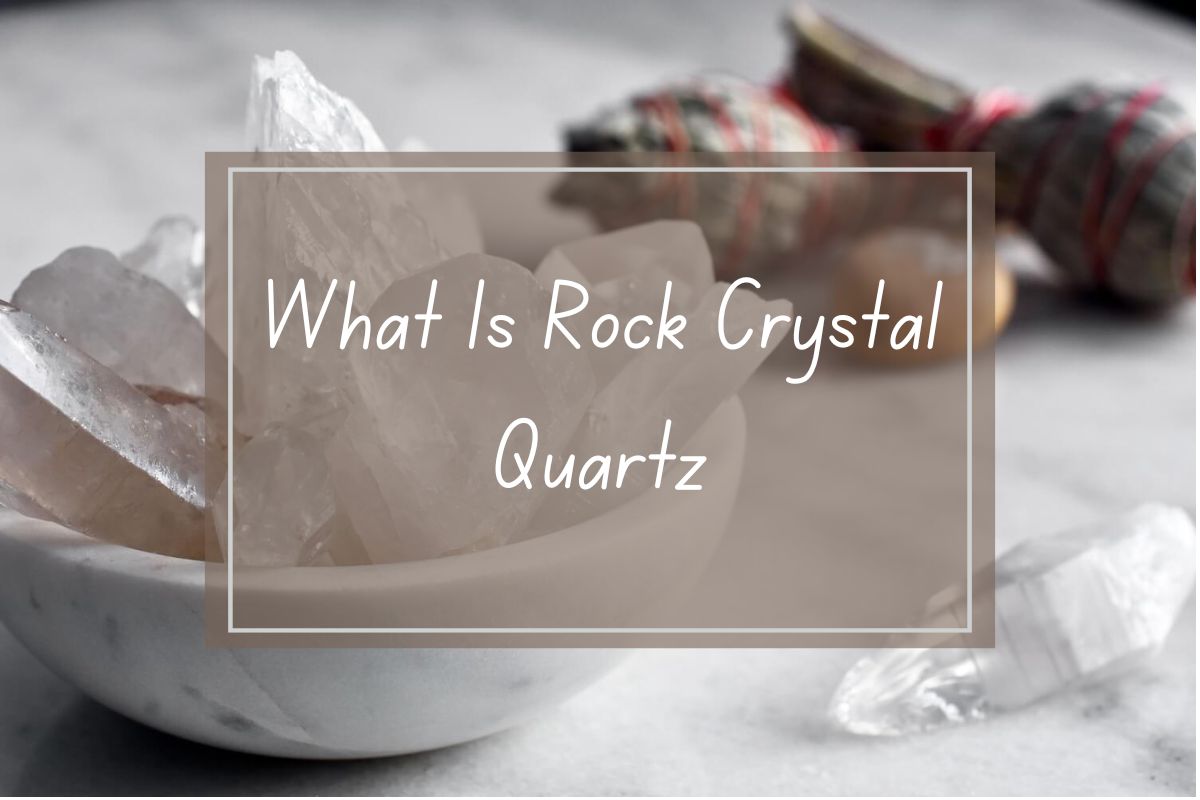
Have you ever noticed those clear, sparkling crystals in jewelry or decorative pieces? That’s rock crystal quartz! This beautiful gemstone is actually pure, colorless quartz – one of the most common minerals on Earth. Rock crystal quartz is a transparent variety of quartz made of silicon dioxide, prized for its clarity and ice-like appearance.
The name “rock crystal” comes from the Greek word “krustallos,” meaning “ice crystal.” Ancient people thought these clear stones were actually frozen ice that would never melt! You can find rock crystal quartz in many forms – from tiny points in geodes to large, dramatic clusters that catch the light beautifully.
When shopping for gemstones, you might notice rock crystal quartz is more affordable than many other transparent gems. This makes it a wonderful option if you’re looking for something clear and brilliant without the high price tag. Its hardness also makes it durable enough for everyday jewelry that you can enjoy for years to come.
The Basics of Rock Crystal Quartz
Rock crystal quartz is a fascinating mineral with incredible clarity and versatility. It forms the foundation of many crystal collections and has both scientific and metaphysical significance in our world.
Defining Quartz and Its Family
Quartz is one of the most common minerals found on Earth. The name “rock crystal” specifically refers to the colorless, transparent variety of quartz. The word “crystal” comes from the Greek word “krustallos,” meaning “ice crystal,” as ancient Greeks believed quartz was water frozen so hard it couldn’t melt!
Chemically, quartz is silicon dioxide (SiO2), a compound made of the elements silicon and oxygen. It belongs to the silicate mineral family, which makes up about 90% of Earth’s crust.
You’ll find quartz in many different varieties beyond the clear rock crystal type. These include amethyst (purple), citrine (yellow), rose quartz (pink), and smoky quartz (gray to brown).
Physical Properties
You can identify rock crystal quartz by several key properties. It ranks 7 on the Mohs scale of hardness, making it quite durable and scratch-resistant. Only harder minerals like topaz, sapphire, and diamond can scratch it.
Rock crystal quartz has a density of 2.65 g/cm³ and a refractive index of 1.54-1.55, giving it its brilliant sparkle when cut properly. The crystal structure is hexagonal, often forming six-sided prisms with pyramid-shaped ends.
When broken, quartz exhibits what’s called conchoidal fracture – creating smooth, curved surfaces similar to broken glass. Its transparency and ability to split light (called birefringence) make it valuable for optical instruments.
You’ll notice that pure rock crystal quartz has no color of its own. Any coloration comes from trace minerals or elements within the crystal structure.
Rock Crystal Formation and Sources
Rock crystal quartz forms through fascinating geological processes and can be found in several locations around the world. These clear crystals develop under specific conditions that allow pure silica to crystallize without mineral impurities that would add color.
Geological Environment
Rock crystal quartz forms when silicon dioxide crystallizes in open spaces like veins, geodes, or cavities in rocks. This happens when silica-rich water solutions cool slowly, allowing the perfect arrangement of silicon and oxygen atoms into their characteristic hexagonal structure.
The purest specimens form in environments free from mineral contaminants. These perfect conditions create the transparent, flawless crystals that are highly valued.
You’ll find that temperature and pressure play key roles in formation. The best crystals develop in hydrothermal veins where hot water dissolves silica from surrounding rocks.
As these solutions cool, the silica precipitates as quartz crystals. This process can take thousands to millions of years!
Notable Locations
Brazil stands out as one of the world’s premier sources of high-quality rock crystal quartz. The Minas Gerais region is particularly famous for producing exceptional specimens with remarkable clarity.
You can also find impressive rock crystal deposits in Arkansas, USA, particularly in the Mount Ida and Hot Springs areas. These sites are so productive that Arkansas is sometimes called “The Quartz Crystal Capital of the World.”
Madagascar has become another important source, known for producing large, clear specimens. Miners there often extract crystals from pegmatite deposits.
Other significant locations include the Alps in Switzerland, various regions in China, and parts of Peru. Each location produces crystals with slightly different characteristics based on their unique geological conditions.
Visual Characteristics
Rock crystal quartz stands out due to its remarkable appearance. This mineral has unique visual properties that make it both beautiful and valuable in various applications.
Transparency and Clarity
Rock crystal quartz is known for its exceptional transparency. When pure, it appears completely colorless and clear, allowing light to pass through with minimal distortion.
You can often find specimens with perfect clarity that look like frozen water or glass. This transparency is what gives rock crystal its name and appeal.
Sometimes, you might notice tiny inclusions in your crystal. These can be bubbles, small minerals, or tiny fractures that create interesting patterns. Jewelers typically prefer pieces with fewer inclusions, but some collectors value these natural “fingerprints.”
The clarity of rock crystal quartz can vary from completely transparent to slightly cloudy depending on its formation conditions.
Shapes and Structures
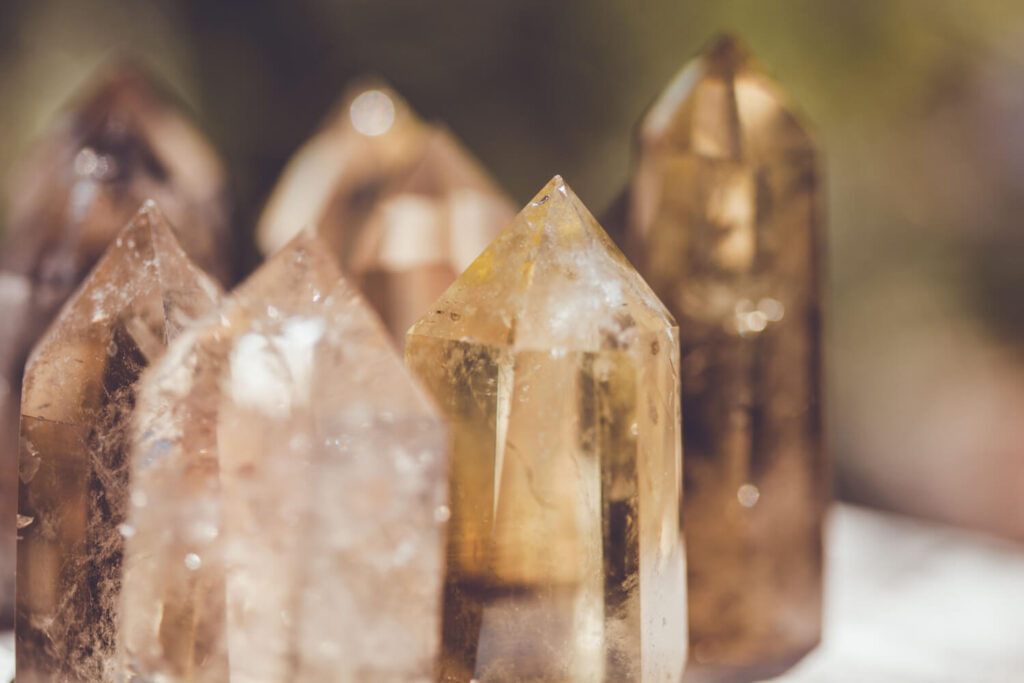
Rock crystal quartz typically forms in a hexagonal prism shape with pyramid-like ends. You can easily identify this classic six-sided structure in well-formed specimens.
Some crystals display what’s called the Dauphiné habit, where the prism appears twisted or shows unique growth patterns. This creates fascinating visual effects when light passes through.
Needle quartz is a slender, elongated variety that forms thin, pointed crystals. These delicate formations can be quite striking in mineral collections.
Faden quartz features an internal white thread-like structure. You’ll notice this as a milky line running through an otherwise clear crystal. This unique structure forms when the crystal heals across a gap while growing.
Rock Crystal Quartz in Jewelry
Rock crystal quartz has been a popular choice in jewelry making for centuries because of its clarity and versatility. This transparent gemstone works beautifully in various jewelry styles, from elegant pendants to statement rings.
Popular Jewelry Items
Pendants made from rock crystal quartz are among the most sought-after pieces. These clear crystals catch light beautifully when worn around your neck, creating a subtle sparkle that complements any outfit.
Rings featuring rock crystal quartz make wonderful everyday pieces. You’ll often find them set in 925 silver, which provides a clean, modern look that highlights the crystal’s transparency.
Earrings are another popular option. From simple studs to elaborate chandelier designs, rock crystal quartz adds elegance without overwhelming your look.
Bracelets and bangles sometimes feature rock crystal quartz beads or cabochons. These pieces work well for both casual and formal occasions.
Quality and Crafting
The best rock crystal quartz jewelry pieces show excellent clarity with minimal inclusions. When shopping, look for transparency and a good polish that brings out the stone’s natural luster.
Setting quality matters tremendously with rock crystal quartz. High-quality 925 silver settings not only look beautiful but also protect your crystal from damage.
Custom-cut rock crystal quartz can transform ordinary jewelry into extraordinary pieces. Skilled artisans can facet this crystal to maximize its light-catching properties.
Care is simple but important. Clean your rock crystal quartz jewelry with mild soap and water, avoiding harsh chemicals that might damage the settings or cloud the crystal’s surface.
Metaphysical Aspects of Rock Crystal
Rock crystal quartz has been treasured for its spiritual properties throughout history. Many believe this clear stone can enhance energy and promote balance in one’s life.
Symbolism and Energies
Rock crystal quartz is often called the “master healer” in crystal work. It’s known as a powerful energy amplifier that can strengthen your intentions and other crystals around it.
Many practitioners believe it brings clarity to your mind, helping you think more clearly when facing difficult decisions. The crystal’s pure appearance symbolizes wisdom and truth.
When you work with rock crystal, you might notice it helps clear away negative energy from your space and body. This clearing effect can make you feel lighter and more balanced.
Some people report that rock crystal enhances creativity and inspiration. It might help when you’re feeling stuck or need a fresh perspective on your projects.
Use in Practices
You can use rock crystal in meditation by holding it in your hand or placing it on your body. Many find that it helps deepen their practice and brings a sense of calm focus.
Creating a crystal grid with rock crystal at the center can amplify your intentions. Place other stones around it in a pattern and set a clear purpose for healing or growth.
Wearing rock crystal as jewelry keeps its energy close to you throughout the day. Necklaces are especially popular as they rest near your heart or throat areas.
For healing work, practitioners often place the crystal on specific body areas that need attention. The stone is believed to help balance your energy and support your body’s natural healing processes.
Caring for and Maintaining Rock Crystal
Proper care will keep your rock crystal quartz looking beautiful for years to come. With simple cleaning and storage practices, these natural stones can maintain their clarity and shine.
Cleaning Techniques
The safest way to clean your rock crystal quartz is with warm water and mild soap. This gentle method works well for most types of quartz without causing damage.
For everyday cleaning, simply rinse your crystal under warm running water and use your fingers or a soft cloth to remove dust or dirt. Avoid harsh chemicals that might damage the surface.
For deeper cleaning of natural stone pieces, you can use a specialized crystal cleaner or make a solution of mild dish soap and warm water. Soak the crystal for a few minutes, then gently scrub with a soft toothbrush.
Some collectors use iron-out solutions for stubborn stains on quartz, especially for removing rust marks. If you try this method, be sure to rinse thoroughly afterward.
Storage and Preservation
Keep your rock crystal jewelry and loose specimens in a soft cloth pouch or lined box when not in use. This protects them from scratches and dust that can diminish their shine.
Avoid storing your crystals in direct sunlight for long periods. Prolonged exposure to bright light can fade some natural stones over time.
Temperature changes can sometimes cause cracks in crystals. Try to keep your rock crystal pieces away from extreme heat or cold.
For display purposes, dust your crystals regularly using a soft makeup brush or microfiber cloth. This simple maintenance helps preserve their natural beauty.
If you wear rock crystal jewelry often, remove it before swimming, showering, or applying lotions and perfumes. These substances can leave residue that dulls the stone’s appearance.
Different Forms and Varieties
Quartz comes in many beautiful forms with unique characteristics. These varieties range from completely clear to richly colored, and some have special patterns or inclusions that make them prized by collectors.
Color Variations
Rock crystal quartz in its purest form is colorless and transparent – this is what many people call “mountain crystal.” When impurities enter the crystal structure, fascinating color variations appear!
Amethyst, with its purple hues, forms when iron impurities are present and exposed to natural radiation. The color can range from pale lavender to deep purple.
Smoky quartz has a brownish to black appearance caused by aluminum impurities that were exposed to natural radiation.
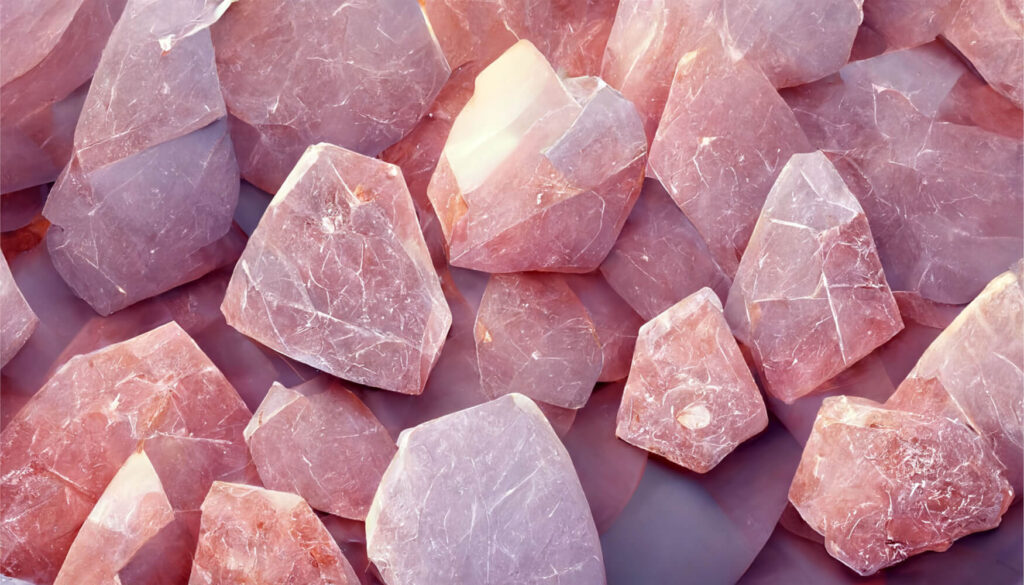
Rose quartz shows gentle pink tones due to titanium, iron, or manganese in its structure. Unlike other quartz varieties, rose quartz rarely forms in clear crystals.
Citrine offers sunny yellow to orange-brown colors, often from heat-treated amethyst.
Related Minerals
Chalcedony is a microcrystalline form of quartz where tiny crystals create a waxy, often translucent material. You can find it in many colors including white, blue, and pink.
Agate, a banded form of chalcedony, displays beautiful layered patterns in endless color combinations. Each agate is unique, with bands forming as minerals seep into cavities over time.
Jasper is an opaque variety of chalcedony, typically red, yellow, or brown due to iron oxide impurities. It often shows interesting patterns and pictures.
Carnelian, another chalcedony variety, displays warm reddish-orange tones that have been valued since ancient times for jewelry and carvings.