
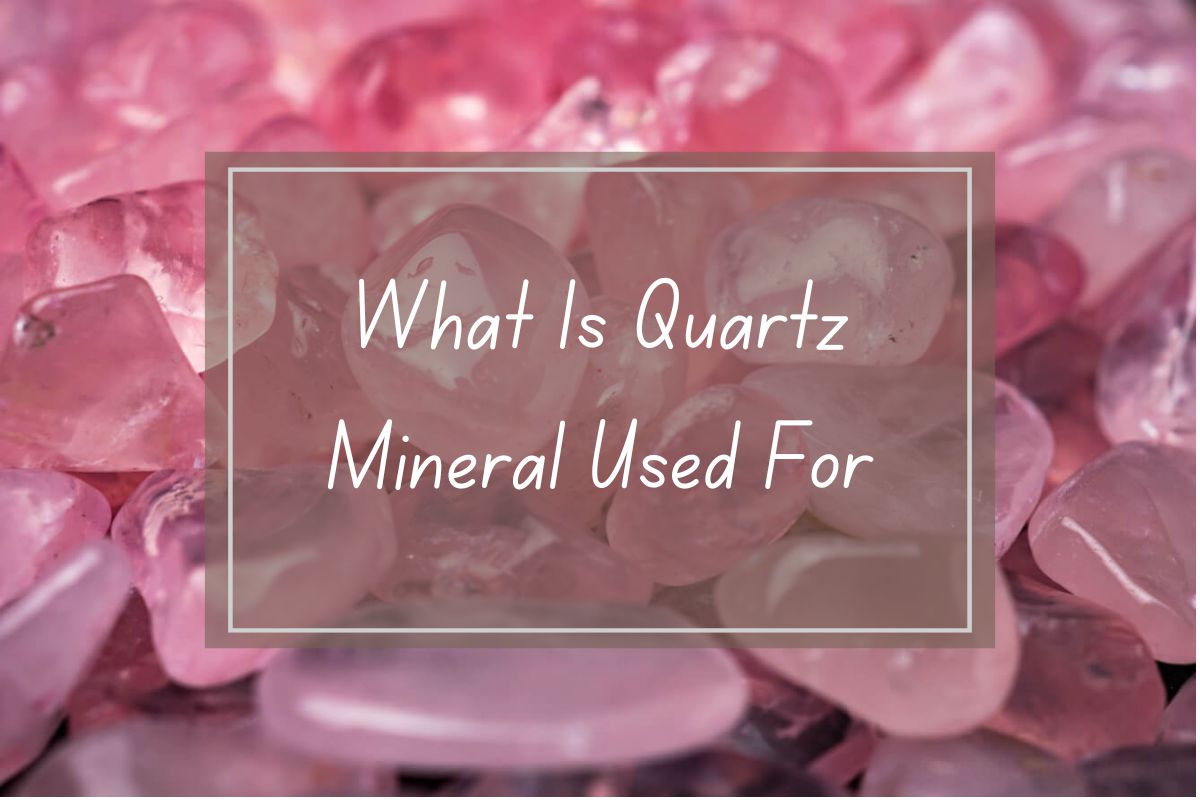
You might be surprised to learn that quartz is all around you. From your phone screen to the windows in your house, this common mineral plays a big role in daily life. It’s made of silicon and oxygen, and it’s the most common mineral in Earth’s crust.
Quartz is used to make glass, electronics, jewelry, and many industrial products that you use every day. When you look at your kitchen windows or drink from a glass cup, you’re seeing quartz at work. The mineral’s unique properties make it perfect for these uses – it’s hard, heat-resistant, and doesn’t react with most chemicals.
Your favorite gemstones might be made of quartz too. Popular stones like amethyst, rose quartz, and smoky quartz are all varieties of this versatile mineral. Beyond jewelry, you’ll find quartz in sandpaper as an abrasive, in foundry molds for metal casting, and even in the petroleum industry.
Quartz Properties and Composition
Quartz is a common mineral with unique physical traits and a simple chemical makeup. These features make it perfect for many uses in your daily life.
Chemistry and Crystal Structure
Quartz has a basic chemical formula of SiO2, made up of silicon and oxygen atoms. Your piece of quartz is 46.7% silicon and 53.3% oxygen by weight.
The crystal structure forms a network of silicon-oxygen tetrahedra. Each oxygen atom links to two silicon atoms, creating a strong and stable pattern.
Quartz crystals form in a trigonal crystal system. You can often spot their distinctive six-sided (hexagonal) shape.
Physical Properties
Pure quartz is clear, but it comes in many colors when mixed with other elements. You can find purple amethyst, pink rose quartz, and yellow citrine.
Quartz ranks 7 on the Mohs hardness scale. This means it’s tough enough to scratch glass but softer than diamonds.
The mineral breaks with a curved, shell-like pattern called conchoidal fracture. You’ll notice it has a glassy luster when light hits it.
It has a specific gravity of 2.65, making it slightly denser than water. Quartz shows no streak when tested and ranges from transparent to translucent.
The melting point sits at 1,713°C (3,115°F). At room temperature, you’ll find quartz is very stable and resistant to weathering.
Quartz in Everyday Life
Quartz plays a vital role in keeping time and powering modern technology. The mineral’s unique properties make it essential in devices you use every day.
Quartz in Timekeeping
Your watch probably uses a tiny piece of quartz crystal to keep accurate time. When electricity flows through quartz, it vibrates at a very steady rate – 32,768 times per second.
This precise vibration helps watches and clocks stay accurate within a few seconds per month. Before quartz watches became common in the 1970s, mechanical timepieces could lose several minutes each day.
You’ll find quartz in most modern clocks, from your bedside alarm to wall clocks in schools and offices. The mineral’s reliability and low cost make it perfect for timekeeping.
Use in Electronics and Technology
Your smartphone, computer, and TV all contain quartz components. The mineral acts as a tiny frequency controller in electronic circuits.
The piezoelectric effect of quartz turns electrical energy into mechanical energy and back again. This makes it perfect for creating stable electronic signals in devices.
Quartz crystals help focus light in lasers used for medical procedures and manufacturing. Scientists also use quartz components in microscopes and telescopes to study things too small or far away to see with regular lenses.
Many of your kitchen appliances like microwaves use quartz timing circuits to work properly. The mineral’s stability helps ensure electronic devices run smoothly and accurately.
Quartz Varieties and Gemstones
Quartz comes in many beautiful colors and forms, making it one of the most popular minerals for jewelry and decorative items. Different varieties offer unique looks and properties that make them special.
Popular Quartz Gemstones
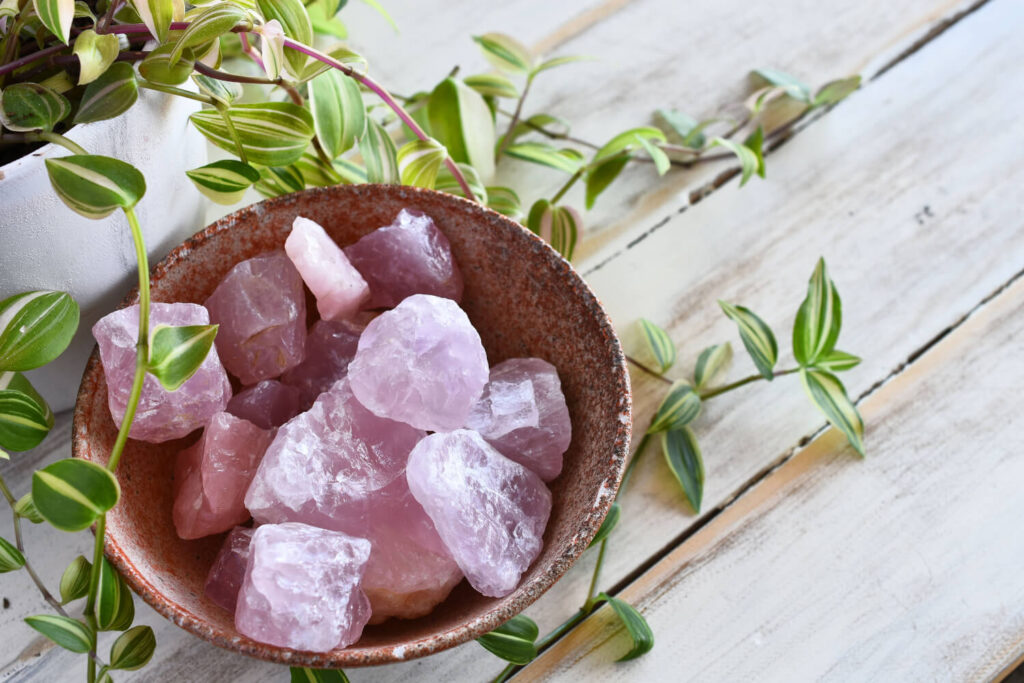
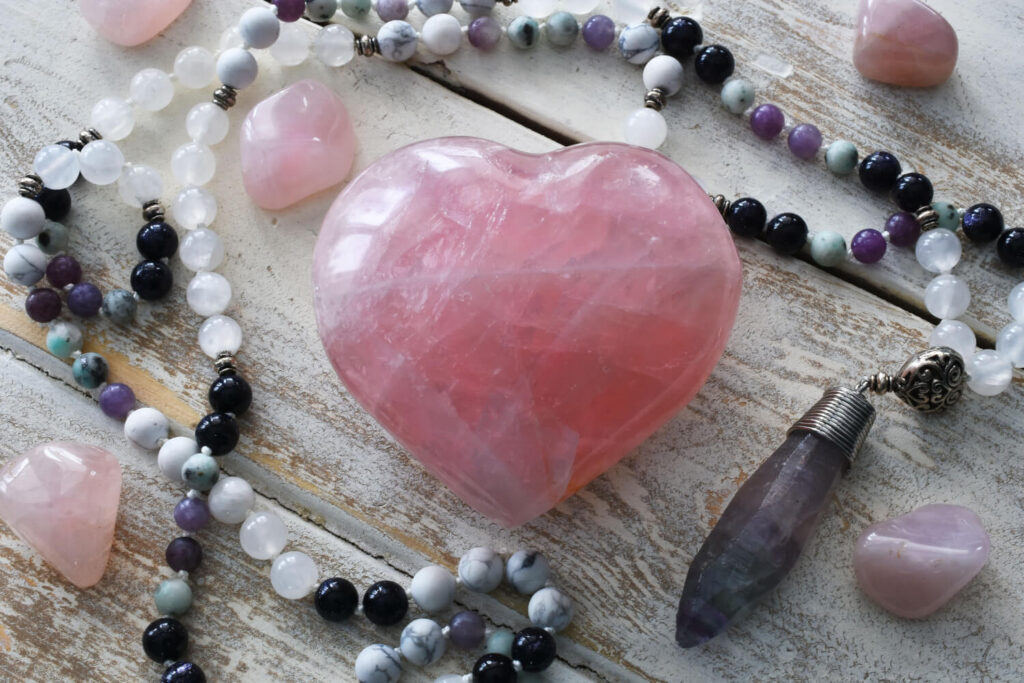
Rose quartz shows off a gentle pink color that many people love for making necklaces and rings. You’ll find this variety in many jewelry stores.
Amethyst stands out with its rich purple shades, ranging from light lavender to deep violet. It’s the most sought-after quartz variety for jewelry.
Citrine brings warm yellow and orange tones to jewelry pieces. While natural citrine is rare, jewelers often create it by heating amethyst.
Smoky quartz presents elegant brown to gray colors that work well in both casual and formal jewelry designs.
Unique Characteristics of Quartz Varieties
Quartz gems are tough and durable, scoring 7 on the hardness scale. This makes them perfect for everyday wear.
Clear quartz, also called rock crystal, lets light pass through like glass. Many people use it for carvings and decorative pieces.
Aventurine sparkles with tiny mineral inclusions that create a glittery effect. You can find it in green, blue, and red colors.
Agate forms in layers, creating striking patterns and bands of color. Each piece looks unique, like nature’s artwork.
Milky quartz has a cloudy white appearance due to tiny bubbles trapped inside the crystal.
Industrial Applications of Quartz
Quartz stands as a key material in many industrial processes thanks to its unique properties like hardness, heat resistance, and chemical stability.
Quartz in Glassmaking
When you look through your windows or pick up a glass, you’re seeing quartz at work. Glass manufacturers use high-purity quartz sand as their main raw material.
The silica from quartz makes up about 70% of most glass products. Your everyday items like bottles, windows, and smartphone screens all start with this mineral.
Glass makers need quartz that’s very pure – usually containing over 99% silica. They mix it with other materials like soda ash and limestone to create different types of glass.
Quartz as a Foundry Sand
Metal casting relies heavily on quartz sand to create molds and cores. Your car’s engine block might have been shaped using quartz-based casting sand.
The sand’s heat resistance lets it maintain shape even when hot liquid metal is poured in. This makes perfect molds for metal parts.
Foundries choose quartz sand because it doesn’t react with most metals. It also helps remove unwanted oxygen during the casting process.
Role in the Petroleum Industry
Your car’s gasoline and many plastic products exist thanks to quartz’s role in oil extraction. Companies use quartz sand during hydraulic fracturing (“fracking”).
The sand props open tiny cracks in rock formations. This allows oil and natural gas to flow more easily to wells.
Companies need special “frac sand” that’s round and strong. These qualities help it work better under intense pressure deep underground.
Quartz in Construction and Interior Design
Quartz brings style and durability to homes through its many uses in modern construction and design. Its strength and beauty make it perfect for both practical and decorative purposes.
Quartz Countertops
Quartz countertops are made by mixing crushed natural stone with resins to create a super-strong surface. These engineered surfaces contain about 90% quartz mineral, making them tougher than granite or marble.
Your quartz countertop won’t scratch or chip easily in daily use. You can place hot pots directly on it without worry.
Unlike natural stone, quartz countertops don’t need sealing. A simple wipe with soap and water keeps them clean and looking fresh.
The engineered nature of quartz means you’ll find it in many colors and patterns. You can choose designs that look like natural stone or opt for bold, uniform colors.
Flooring and Wall Decorations
Quartz tiles bring elegance to your floors while standing up to heavy foot traffic. Their non-porous surface resists stains and makes cleaning a breeze.
You can use quartz slabs to create stunning accent walls in bathrooms or living spaces. The material’s natural sparkle catches light beautifully.
Translucent quartz panels let light shine through while providing privacy. These work great for shower walls or room dividers.
The material comes in large formats, which means fewer seams in your floors or walls. This creates a clean, modern look in any space.
The Role of Quartz in Scientific Advancements
Quartz’s unique properties make it essential for modern technology and scientific instruments. Its ability to vibrate at exact frequencies and interact with light in special ways has led to many breakthroughs.
High-Tech Industry Uses
The piezoelectric properties of quartz make it perfect for electronic devices. When you squeeze quartz crystals, they create an electrical charge. This special trait helps power many gadgets you use daily.
Synthetic quartz crystals are grown in labs for the semiconductor industry. These pure crystals help make computer chips and other electronic parts.
Your phone or watch likely uses a tiny quartz crystal to keep accurate time. The crystal vibrates exactly 32,768 times per second!
Quartz in Optical Devices
Pure quartz crystals let light pass through them very clearly. Scientists use this quality to make important parts for microscopes and telescopes.
The silicon dioxide in quartz helps create precise lenses for laser equipment. These lenses focus light into powerful beams used in surgery and manufacturing.
Your CD player and fiber optic internet cables both depend on quartz components to work. The mineral helps guide light signals that carry digital information.
Research labs use quartz prisms and lenses because they don’t distort light like regular glass does. This makes experiments more accurate.
Geological Significance of Quartz
Quartz plays a huge role in shaping Earth’s geology. It makes up about 12% of Earth’s crust and helps geologists learn about how rocks form.
Formation of Quartz
Quartz forms in many different ways throughout Earth’s crust. You can find it growing in hot fluids deep underground called hydrothermal veins.
In pegmatites, which are very coarse igneous rocks, quartz crystals can grow to massive sizes alongside minerals like feldspar.
Heat and pressure can also transform existing quartz into new forms. This process creates beautiful crystals in metamorphic rocks.
Quartz in Various Rock Types
You’ll spot quartz in almost every type of rock. In igneous rocks, it forms as magma cools and crystallizes.
Sedimentary rocks often contain lots of quartz. When rocks break down, the tough quartz grains survive to form silica sand on beaches and in deserts.
In metamorphic rocks, you can see quartz in bands or veins. The quartz gets squeezed and recrystallized as the rock transforms.
Different geological settings create different types of quartz. You might find clear crystals in mountain cavities or purple amethyst in volcanic rocks.
Mining and Processing of Quartz
The extraction of quartz involves both open-pit and underground mining techniques, followed by careful processing steps to ensure high-quality crystals for various industrial uses.
Quartz Extraction Methods
Open-pit mining is the most common way to get quartz. Mining teams remove layers of soil and rock to reach quartz deposits near the surface.
Underground mining becomes necessary when quartz deposits are too deep for open-pit methods. Miners use tunnels and shafts to reach these deeper deposits.
The type of quartz affects how it’s mined. Pure crystal quartz needs gentle extraction to protect its natural form. Mining teams use hand tools and careful breaking methods for these valuable specimens.
Refinement and Quality Control
After mining, the quartz goes through several cleaning steps. Workers wash the crystals to remove dirt and separate them by size and quality.
Magnetic separation helps remove unwanted minerals from the quartz. This process uses powerful magnets to pull out iron-containing materials.
Chemical processing makes the quartz even purer. Acid washing removes tiny mineral traces that magnetic separation missed.
Quality control teams check the refined quartz carefully. They look for proper crystal structure and make sure it meets size and purity standards for its intended use, whether that’s for sandblasting, metal casting, or making fused quartz products.
Environmental and Safety Aspects
Mining and processing quartz requires careful attention to both protect the environment and keep workers safe. Smart practices make a big difference in reducing negative impacts.
Sustainable Mining Practices
Open-pit mining is common for quartz extraction when deposits are near the surface. You’ll find that modern mines use techniques to minimize land disruption and protect local ecosystems.
Mining companies now focus on efficient water use and proper waste management. They often restore mined areas back to their natural state once work is complete.
Many quarries recycle water and use dust control systems to reduce environmental impact. This helps protect nearby communities and wildlife.
Health Considerations in Processing
When working with quartz, safety comes first. Cutting and grinding creates tiny silica dust particles that can harm your lungs if breathed in.
Essential safety equipment includes:
- Respirators with proper filters
- Protective eyewear
- Well-ventilated work areas
- Dust collection systems
Regular air quality testing helps track dust levels. Wet cutting methods reduce airborne particles and make the process safer.
Workers need proper training on dust control and equipment use. Clean workspaces and good habits prevent silica exposure.
Cultural and Historical Context of Quartz
Quartz has shaped human civilization through its roles in spiritual practices, art, and daily life. Ancient societies treasured this crystal for its beauty and believed it held powerful energies.
Quartz in Ancient Civilizations
The ancient Egyptians used clear quartz to make beautiful jewelry and decorative items. They believed the crystal could help them connect with the divine and placed it in tombs to guide souls to the afterlife.
Ancient Greeks called quartz “krystallos,” meaning ice, because they thought it was water frozen so deeply it could never thaw. They used it to make seals and carvings.
Native American tribes viewed quartz as a living entity. They used it in ceremonies and believed it could enhance their connection to spirit guides.
Symbolism and Folklore
Many cultures see quartz as a symbol of clarity and power. In Japan, clear quartz represents perfect purity and wisdom.
Medieval European healers believed quartz crystals could:
- Cure illnesses
- Bring good fortune
- Protect against negative energy
- Enhance spiritual growth
Celtic tribes carried quartz as a sacred stone for protection. They thought it could help them connect with nature spirits and boost their inner strength.
People still use quartz today in crystal healing practices. You might find it in meditation rooms and wellness centers where practitioners value its supposed ability to amplify energy and promote balance.