
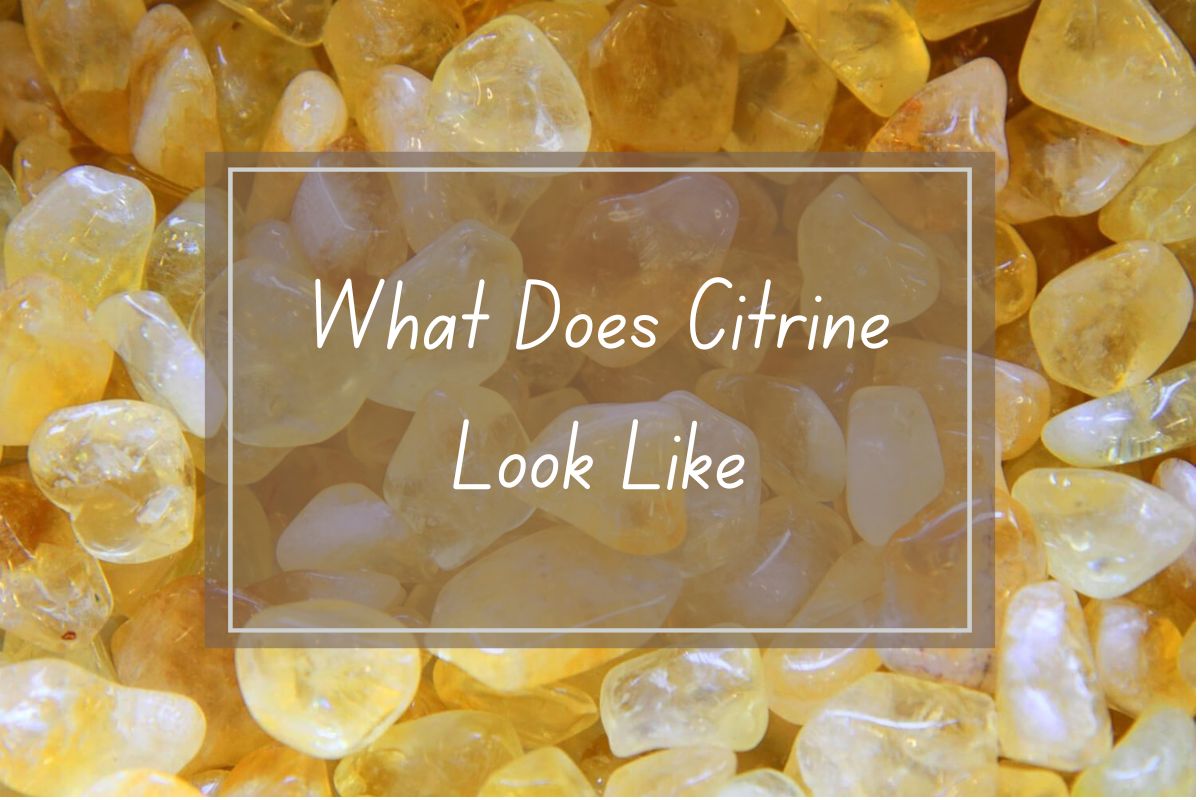
Citrine is a beautiful yellow to orange variety of quartz that many crystal collectors love. This rare gemstone comes in colors from pale yellow to deep reddish-orange. When you’re looking for citrine, you might wonder what real citrine actually looks like.
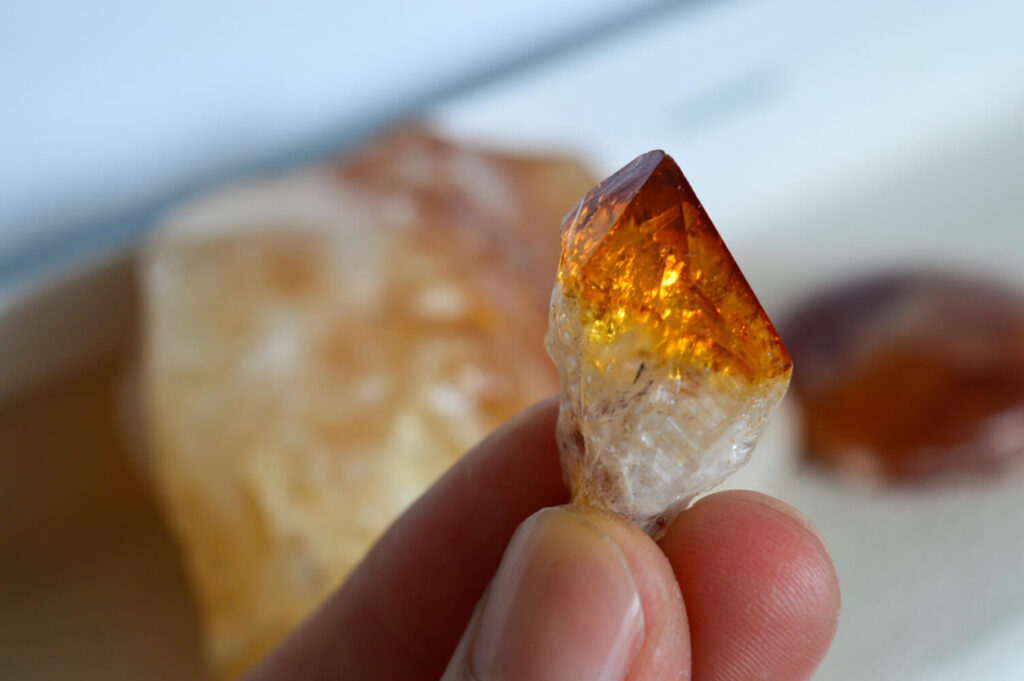
Real citrine has a consistent color throughout the stone, without white bases or darker tips that are common in fake citrine. Natural citrine won’t have a pure white bottom layer like many imitations do. Instead, the yellow or orange color will flow through the entire stone, though it may have some horizontal fault lines.
You might be surprised to learn that much of the “citrine” sold today is actually heat-treated amethyst! When shopping for this sunny gemstone, look for pieces with a clear, saturated yellow to reddish-orange color without any brownish tints. The best citrine specimens are free from color zoning or visible inclusions, making them truly special additions to your crystal collection.
Characteristics of Citrine
Citrine is a beautiful gemstone with distinct features that make it stand out in the quartz family. This gem shows a range of colors, has a specific crystal structure, and varies in clarity.
Color Variations
Citrine displays a stunning range of warm hues. Natural citrine typically shows pale yellow to golden yellow shades. You might find some stones with a lemon yellow color that looks bright and refreshing.
The most valuable citrine gemstones have a saturated yellow to reddish-orange color without any brownish tints. These pure, vibrant colors are quite rare in nature.
Some citrine stones show beautiful amber tones or fiery orange colors. These warmer shades are often highly sought after by collectors and jewelry enthusiasts.
Color zoning can occur in citrine, where different areas of the gemstone show slightly different color intensities. This is a natural feature that can sometimes add character to your stone.
Crystalline Structure
Citrine is a variety of crystalline quartz, belonging to the quartz family of minerals. Its crystal structure is hexagonal, meaning it forms six-sided crystals when allowed to grow naturally.
You can sometimes find citrine in beautiful pointed crystal formations that show its natural growth pattern. These crystals can form in clusters or as individual points.
As a quartz crystal, citrine has a hardness of 7 on the Mohs scale. This makes it quite durable for everyday wear in jewelry pieces.
The gemstone has a vitreous (glass-like) luster when polished, giving it a bright, reflective quality that catches light beautifully. This property makes citrine sparkle nicely when cut and set in jewelry.
Clarity and Inclusions
When shopping for citrine, you’ll notice most stones are transparent with good clarity. High-quality citrine is generally eye-clean, meaning you can’t see inclusions without magnification.
Natural citrine typically contains some inclusions, which are materials trapped inside the crystal as it formed. These tiny features can help gemologists distinguish natural citrine from synthetic or treated stones.
Glass imitations of citrine often lack these natural imperfections, appearing too perfect. If you’re examining a citrine and it has absolutely no inclusions, you might want to have its authenticity verified.
Some inclusions in citrine can create interesting optical effects. Tiny needles or liquid inclusions might catch light in unique ways, adding character to your gemstone.
Citrine in Jewelry
Citrine gemstones make beautiful jewelry pieces that bring warmth and positive energy. This golden to amber-colored crystal is often called the “merchant’s stone” or “success stone” because many believe it attracts wealth and prosperity.
If you’re curious about what citrine does, this guide explains its common spiritual meanings.
Popular Citrine Jewelry Pieces
Citrine rings are among the most sought-after pieces featuring this golden gem. You’ll find them in various settings from vintage-inspired gold bands to modern silver designs. The warm yellow to orange hues complement both gold and silver metals beautifully.
Citrine pendants and necklaces let you keep this “success stone” close to your heart. Many people wear them for both style and the gem’s reputed benefits.
Earrings and bracelets featuring citrine add a pop of sunshine to any outfit. You might see them paired with complementary stones like amethyst or topaz for extra visual interest.
Statement pieces often showcase larger citrine stones as centerpieces, creating eye-catching jewelry that draws compliments.
Caring for Citrine Jewelry
You can clean your citrine jewelry at home using mild soap and warm water. A soft toothbrush helps reach tight spaces around settings.
Avoid ultrasonic cleaners and steam cleaning as they may damage your citrine. The sudden temperature changes can cause internal fractures in the stone.
Keep citrine away from harsh chemicals, especially hydrofluoric acid which can damage quartz-family gemstones.
Store your citrine jewelry separately from harder gemstones like diamonds to prevent scratching. A fabric-lined jewelry box with compartments works best.
Remember to remove your citrine jewelry before swimming or using household cleaners to maintain its beauty for years to come.
Citrine Sources and Origins
Citrine gemstones come from specific regions around the world. These beautiful yellow to orange crystals have fascinating origins that influence their quality and value.
Brazilian Citrine
Brazil is the world’s leading source of citrine. The country produces some of the finest specimens, particularly from the states of Minas Gerais, Goiás, and Rio Grande do Sul.
Brazilian citrine is known for its exceptional clarity and rich golden hues. Many stones from this region start as amethyst and are heat-treated to achieve their yellow-orange color.
You might find that citrine from Brazil’s Minas Gerais region has a particularly desirable deep golden color. These stones are often larger in size and have better transparency than citrine from other locations.
The mining process in Brazil typically involves extracting the crystals from geodes and veins in volcanic rocks. Brazilian citrine is highly valued in the gemstone market due to its consistent quality.
Global Distribution
While Brazil dominates citrine production, you can find this gemstone in several other locations worldwide.
Madagascar produces citrine with distinctive honey-yellow tones. Russian citrine often displays a more pale yellow color but excellent clarity.
You’ll also find citrine mines in:
- Spain
- France
- Scotland
- Argentina
- Uruguay
- Zambia
- United States (particularly Colorado)
Each location produces citrine with subtle variations in color and quality. The citrine from Spain tends to have a brownish undertone, while stones from Scotland are typically lighter in color.
Most natural citrine is rare regardless of origin. Much of what you’ll find in the market has been heat-treated from amethyst or smoky quartz to create the desired yellow hue.
Citrine Formation and Treatments
Citrine gets its beautiful golden color from both natural processes and human treatments. Understanding how citrine forms helps you appreciate this gemstone and know what you’re buying.
Natural vs. Heat-Treated Citrine
Natural citrine is quite rare in nature. It forms when trace amounts of iron are present in quartz crystals. The iron creates the yellow to golden-brown colors that make citrine so attractive. Natural citrine typically has a pale yellow to light brownish-orange color.
Most citrine on the market today isn’t natural. It’s actually heat-treated amethyst or smoky quartz. When amethyst (purple quartz) is heated to temperatures between 300-500°C, its color changes to yellow or orange, creating citrine.
Heat-treated citrine from amethyst often has a more reddish or orangey tone compared to natural citrine. This treated stone is sometimes called “burnt amethyst” in the trade.
Identifying Treated Stones
You can spot heat-treated citrine by looking at its color. Natural citrine has pale, even coloring in yellow to golden-brown shades. Heat-treated citrine often shows more intense colors like bright orange or reddish-brown.
The color distribution also offers clues. Natural citrine typically has even coloring throughout the stone. Heat-treated citrine might show color zoning or stripes that resemble amethyst’s original pattern.
If your citrine has a deep orange or reddish hue, it’s likely heat-treated. Natural citrine doesn’t typically exceed 350°C in formation, and stones heated beyond this temperature can show these distinctive orange-red colors.
Price is another indicator. If you find an affordable, deeply colored citrine, it’s almost certainly heat-treated, as natural citrine is rare and commands higher prices.
Spiritual and Symbolic Significance
Citrine carries deep spiritual meaning as a crystal that embodies the energy of the sun. Its golden glow has made it a powerful symbol in various spiritual practices and belief systems.
Citrine as a Symbol of Happiness and Success
Citrine is often called the “success stone” or “merchant’s stone” because people believe it brings prosperity and abundance. When you keep citrine nearby, it may help attract wealth and financial opportunities into your life. Many business owners place it near cash registers or in wealth corners of their offices.
The sunny yellow crystal radiates positive energy that can brighten your mood and outlook. It’s known for its ability to promote happiness and joy while reducing negative emotions. You might notice feeling more optimistic when carrying or wearing citrine.
Some crystal enthusiasts say citrine never needs cleansing because it doesn’t absorb negative energy but transforms it instead. This makes it a perfect stone for maintaining good luck and positive vibes in your space.
Utilization in Feng Shui
In Feng Shui practice, citrine is a favorite crystal for bringing prosperity energy into homes and workspaces. You can place it in the wealth corner (southeast area) of your home to attract abundance.
Citrine works well in these key locations:
- Near your front door to welcome good fortune
- On your desk to enhance creativity and success
- In your kitchen to promote nourishment and prosperity
The vibrant energy of citrine helps clear stagnant energy and promotes better flow throughout your space. Its golden color represents the earth element, which supports stability and grounding.
Feng Shui practitioners recommend using natural citrine rather than heat-treated amethyst for the most authentic energy benefits. You might combine it with other wealth crystals like pyrite or jade for enhanced prosperity effects.
Citrine in Astrology and Birthstones
Citrine holds special significance in both astrology and as a birthstone. This golden-yellow gemstone is cherished for its warm energy and symbolic meanings across different belief systems.
Citrine as November’s Birthstone
Citrine is one of the two official birthstones for November, alongside topaz. If you were born in November, you’re lucky to have this sunny gem representing your birth month! The stone’s warm yellow to golden-orange hues bring a bit of brightness as autumn turns to winter.
As a November birthstone, citrine is thought to bring prosperity, success, and abundance to those who wear it. Many people choose citrine jewelry as meaningful birthday gifts for November-born friends and family members.
The most valued citrine stones for birthstone jewelry display a deep, honey-like color rather than pale yellow tones. Natural citrine is typically pale yellow, while heat-treated stones (often from amethyst) develop those richer golden colors that many people prefer.
Astrological Associations
Citrine connects strongly with the zodiac signs of Gemini, Aries, Leo, and Libra. However, it has a special relationship with Sagittarius (November 22-December 21), overlapping with the November birthstone period.
You might find citrine particularly helpful if you’re a Sagittarius, as it’s believed to enhance your natural optimism and adventurous spirit. The stone’s energizing qualities complement Sagittarius’ fire element.
In astrological practices, citrine is associated with the Sun and Jupiter. These planetary connections link the stone to confidence, personal power, and expansion in your life. Many people use citrine during solar-based rituals or when seeking to boost their self-esteem and manifestation abilities.
When placed on the solar plexus chakra, citrine is thought to help you express your authentic self and strengthen your personal will.
Grading and Valuing Citrine
When shopping for citrine gemstones, knowing how they’re graded and valued helps you make smart choices. The Four Cs—Color, Clarity, Cut, and Carat weight—are the main factors experts use to determine a citrine’s quality and price.
Understanding Citrine Carats
Carat weight measures how heavy your citrine is, with one carat equaling 0.2 grams. Unlike diamonds, citrines are more affordable even at larger sizes, making them a great value.
You can find beautiful citrines in a wide range of carat weights. A 1-carat citrine might be perfect for earrings, while a statement pendant could showcase a 5-carat or larger stone.
The price per carat doesn’t increase dramatically with size for citrine as it does with other gemstones. This means you can get a larger citrine for a reasonable price compared to other precious stones.
The Appeal of Madeira Topaz
“Madeira topaz” is actually a trade name for deep reddish-orange citrine, not true topaz! This rich, saturated color is highly valued in the citrine market.
The name comes from the color’s resemblance to Madeira wine. When you find a citrine with this deep, warm coloring, you’ve found something special. These stones command higher prices than pale yellow citrines.
Color zoning can affect the value of your Madeira citrine. The most prized stones have even coloration throughout without brownish tints or visible inclusions. Look for rich, vibrant color that appears consistent when viewed from different angles.