
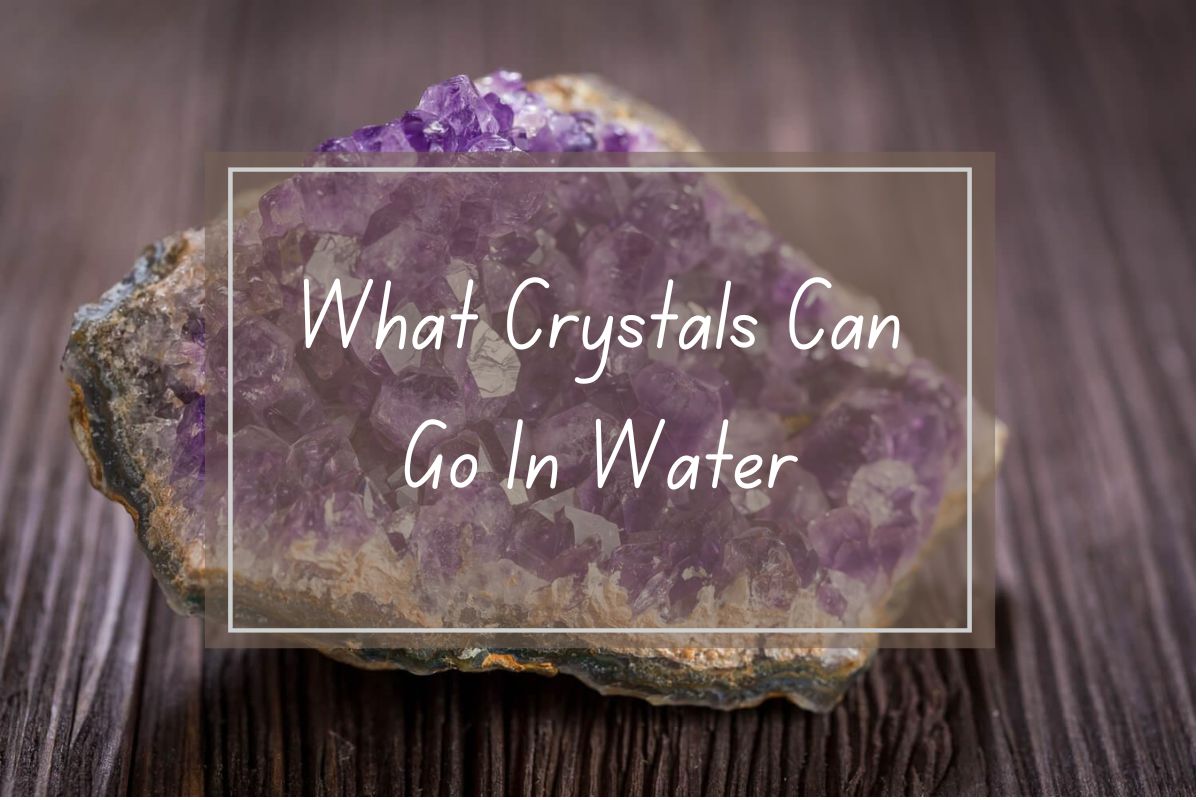
Have you ever wondered which of your beautiful crystals can safely take a dip in water? It’s a common question many crystal lovers ask. Some crystals dissolve, rust, or lose their shine when exposed to water, while others remain perfectly fine.
Crystals with a hardness level of 5 or above on the Mohs scale are generally safe to put in water. This includes popular healing crystals like Clear Quartz, Amethyst, Rose Quartz, Citrine, and Black Obsidian. These water-friendly crystals can be used in your crystal-infused drinking water to enhance their healing vibrations.
However, hardness isn’t the only factor to consider. Certain crystals like Selenite, Fluorite, Lepidolite, and Opal should never go in water despite their beautiful healing properties. They might dissolve, develop rust, or lose their natural luster when wet. Knowing which crystals can safely interact with water will help you maintain your collection while still enjoying their positive energies in your daily rituals.
Understanding How Crystals Interact with Water
Crystals and water have a special relationship that goes beyond simple cleaning. When crystals meet water, they create unique energies and properties that many people find helpful in their daily lives.
Crystals and Water Vibes
Have you ever noticed how some crystals seem to sparkle more after a quick dip in water? This isn’t just about getting them clean! Many believe that water can amplify a crystal’s natural energy. When you place crystals like Clear Quartz in water, they might transfer their vibrations to create what’s often called a “gem elixir.”
These elixirs are popular for meditation and healing practices. You can make your own by placing water-safe crystals in pure water for a few hours. The water supposedly absorbs the crystal’s energy.
Not all crystal energies mix well with water, though. Some people say Rose Quartz in water brings loving energy, while Citrine might boost your confidence. These vibes can vary based on which crystal you use!
The Science Behind Crystals in Water
From a scientific perspective, what happens when crystals meet water is fascinating. Crystals have specific mineral structures that determine how they interact with water. The Mohs hardness scale is your best friend here – it tells you which crystals can safely touch water without damage.
Crystals with a rating of 6 or higher on the Mohs scale (like Quartz family crystals) are generally water-safe. These harder crystals won’t dissolve, rust, or break down when wet.
Some crystals contain minerals that can actually dissolve in water. Others might contain toxic elements that could leach into your water – definitely not something you want in a gem elixir!
Water can also affect a crystal’s surface over time, even with harder stones. This is why brief contact is usually better than long soaks for most crystals.

Safe Crystals for Water Immersion
Some crystals can safely go in water without damage. The key is to look for stones with a hardness rating of 6 or higher on the Mohs scale.
Quartz Varieties
Clear quartz is one of the safest crystals for water immersion. With a hardness of 7 on the Mohs scale, you can confidently place it in water for cleansing or making crystal-infused water. It’s durable and won’t dissolve or release harmful substances.
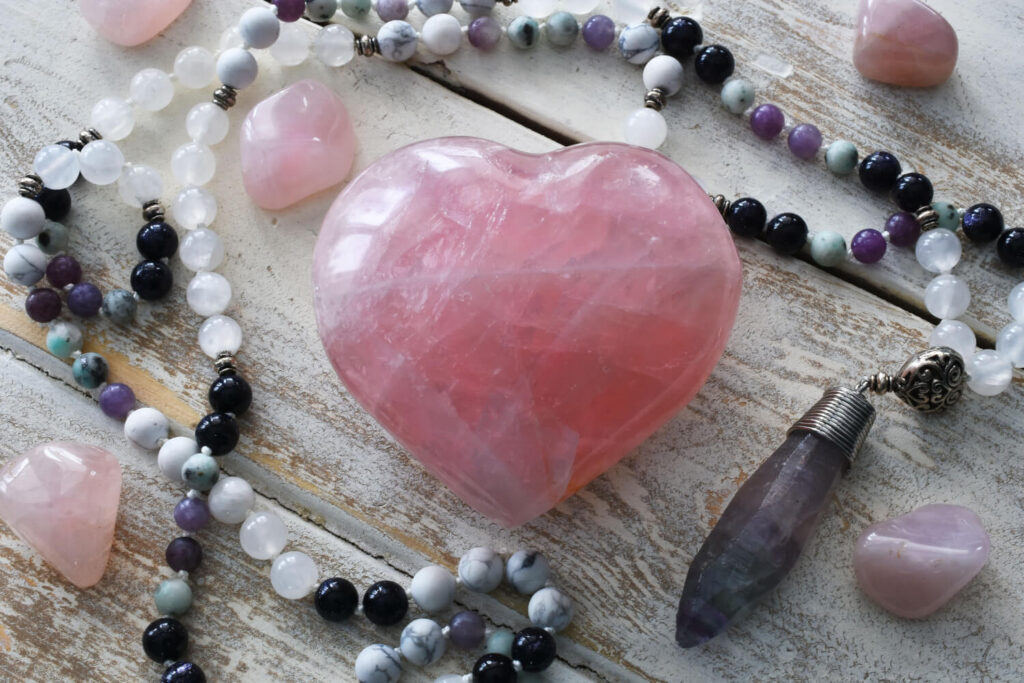
Rose quartz is another water-safe option from the quartz family. You can rinse it under running water or soak it briefly. Many people use rose quartz in water bottles for its loving energy.
Amethyst, the purple variety of quartz, is also water-safe. You can cleanse it in spring water without worry. Just avoid leaving it in direct sunlight after getting it wet, as this might fade its color over time.
If you want the full rundown, see whether amethyst can go in water before cleansing it.
Citrine, whether natural or heat-treated amethyst, handles water well. You can use it for making crystal elixirs or cleansing after smudging.
Other Safe Gemstones
Jasper varieties are generally water-safe with their Mohs hardness of 6.5-7. You can rinse them clean or briefly soak them without concern. Red jasper and ocean jasper are particularly popular for water cleansing.
Agate, with similar hardness to jasper, works well with water. You can safely use water to cleanse these banded stones after handling or energy work.
Clear calcite is water-safe for quick rinses, though not for extended soaking. You should dry it thoroughly afterward to preserve its finish.
Carnelian can handle water cleansing methods without damage. Its vibrant orange-red color won’t fade from occasional water exposure.
Understanding the Risks of Water Exposure
Not all crystals can safely interact with water. Some may dissolve, release harmful substances, or suffer physical damage when exposed to moisture.
Water-Soluble Crystals
Some crystals contain minerals that dissolve when they come into contact with water. Selenite is one of the most common water-soluble crystals that can quickly lose its structure and beauty when wet.
Even brief exposure to water can cause selenite to develop cracks or become cloudy. Other water-soluble crystals include halite (rock salt), which dissolves rapidly, and ulexite, which can break down over time.
When these crystals dissolve, they not only lose their physical form but also their metaphysical properties that many crystal enthusiasts value. To protect your water-soluble crystals, store them in dry areas away from bathrooms or humid spaces.
Toxicity Considerations
Some crystals contain minerals that can be harmful if they leach into water. Malachite, while beautiful, contains copper that can be toxic if dissolved in water you might drink or use on your skin.
Azurite is another copper-containing crystal that should never be placed in water used for consumption. These toxic elements pose health risks if ingested or absorbed through the skin.
Other potentially harmful crystals include:
- Pyrite (contains sulfur and iron)
- Galena (contains lead)
- Cinnabar (contains mercury)
For crystal-infused water, stick to safe options like clear quartz, amethyst, and rose quartz with a Mohs hardness rating of 6 or higher.
Physical Damage to Crystals
Even non-water-soluble crystals can suffer physical damage from water exposure. Hematite, for example, can rust when exposed to water, losing its metallic shine and potentially breaking apart.
Crystals with cracks or fissures are especially vulnerable as water can seep in and cause expansion when it freezes or evaporates. Running water, like placing crystals in streams or under faucets, can be particularly damaging due to the added pressure.
If you want to cleanse crystals, consider alternative methods:
- Moonlight bathing
- Sound cleansing
- Burying in dry salt or earth
- Smudging with sage
Pool water is especially harsh due to chlorine and other chemicals that can damage even normally water-safe crystals like quartz.
Creating Gem Elixirs
Crystal elixirs combine the energetic properties of gemstones with water to create potent liquid infusions. These special preparations can be used for various purposes including skincare, meditation support, and energy cleansing. The process requires attention to both safety and intention for the best results.
Direct vs. Indirect Methods
You have two main options when creating a gem elixir: direct or indirect methods. The direct method involves placing clean crystals directly into water. Only certain crystals are safe for this method – quartz family stones like clear quartz, rose quartz, amethyst, and citrine work well.
Not all crystals should touch water directly! Some contain toxic elements or may dissolve. The indirect method is safer for all crystal types. Place your crystals around the outside of a glass container filled with water, or use the popular bowl method where you place stones around a small glass of water inside a larger bowl.
Pure water matters for your elixir. Spring water is often recommended, though you can also use filtered or distilled water. Avoid tap water that might contain chlorine or other chemicals that could interfere with your crystal’s energy.
Intention Setting and Preparation
Your intention is a crucial part of creating an effective gem elixir. Before you begin, take a moment to clear your mind and focus on what you want your elixir to help with. Whether it’s for calm, creativity, or confidence, holding this purpose in mind enhances your preparation.
Start by cleaning your crystals properly. You can rinse quartz family stones under running water, or cleanse other types with sage smoke, sunlight, or sound. Your containers should also be thoroughly cleaned.
Here’s a simple preparation process:
- Clean your materials and space
- Set your intention clearly
- Arrange your crystals with purpose
- Add pure water mindfully
The timing of your elixir creation can add extra power. Many people prefer making elixirs during full moons for amplification or new moons for fresh beginnings. You might leave your elixir to charge for a few hours or overnight depending on how strong you want the energy to be.
Alternative Methods to Energize Water
If you can’t put crystals directly into water, don’t worry! There are still ways to infuse your water with crystal energy without any risk of contamination or damage to your stones.
Using Crystal Grids
Crystal grids are powerful tools for energizing water without direct contact. Place your water container in the center of a sacred geometric pattern made with water-safe and non-water-safe crystals alike.
You can create a simple grid using clear quartz points around your water glass. The quartz amplifies the energy and directs it toward your water. Try adding stones like selenite or malachite to your grid – these aren’t water-safe but work wonderfully in grids!
The grid’s pattern matters too. Flower of Life patterns boost vitality, while spiral patterns enhance cleansing properties. Let your water sit in this grid for at least 4 hours, though overnight is best for maximum energetic transfer.
Charging Water with Crystal Clusters
Another effective method is placing crystal clusters near your water container. Large amethyst or quartz clusters work brilliantly for this purpose!
Put your water bottle or glass next to a crystal cluster on your desk or nightstand. The vibrations from these beautiful formations will gradually infuse into your water. This method is gentle but effective.
You can also place a glass container on top of a flat crystal slice, like agate. The crystal’s energy will transfer upward into your water without any direct contact with potentially harmful minerals.
Try setting intentions while charging your water this way. Hold your hands over both the crystal and water container while visualizing healing energy flowing between them.
General Care for Water-Friendly Crystals
Keeping your water-safe crystals in top condition requires regular maintenance and proper handling techniques. The right care practices will help maintain their energy and beauty for years to come.
Routine Cleansing and Charging
Water-safe crystals like clear quartz, amethyst, and rose quartz benefit from regular cleansing to remove collected energies. You can rinse these crystals under cool tap water for 1-2 minutes while setting your intention to cleanse them.
For a deeper cleanse, soak them in a bowl of water with a pinch of sea salt (except for amethyst, which can fade with salt exposure). After cleansing, charging is essential to revitalize your crystals.
Place them in morning sunlight for 1-2 hours, but be careful with amethyst as prolonged sun exposure can fade its color. Moonlight is a gentler alternative that works well for all water-safe crystals. You can also charge them by placing them on a larger quartz cluster overnight.
Storage and Handling
Store your water-safe crystals in a dry, safe place away from direct sunlight when not in use. A fabric-lined box or pouch works perfectly to prevent scratches and dust buildup.
When handling your crystals, make sure your hands are clean to avoid transferring oils and dirt. Hold them gently, as even hard crystals like quartz can chip if dropped on hard surfaces.
Keep different crystal types separated during storage to prevent scratches. Harder crystals like clear quartz (7 on the Mohs scale) can easily scratch softer ones.
Consider labeling your storage containers, especially if you’re new to crystal collecting. This helps you remember which ones are water-safe and which require special care.
When to Use Running Water
Running water provides a more dynamic cleansing effect than still water. Use it when your crystals feel particularly depleted or after intense energy work.
Hold your water-safe crystals under a gentle stream of cool tap water for about 30-60 seconds. Visualize negative energies washing away as the water flows over the crystal.
Best times to use running water:
- After healing sessions
- When crystals feel "heavy" energetically
- Once a month for maintenance
- After lending crystals to others
Natural running water like streams or rainfall can be especially potent for cleansing. However, avoid using hot water as the temperature change might cause microfractures in some crystals, including clear quartz and amethyst.
Exploring Healing Properties of Water-Safe Crystals
Water-safe crystals not only look beautiful but also offer amazing healing benefits when used in water. These crystals can enhance your emotional wellbeing and may support physical healing in various ways.
Emotional and Spiritual Benefits
Clear quartz in water can help clear your mind and amplify your intentions. This crystal is often called the “master healer” because it can strengthen the effects of other crystals you might use.
Rose quartz, safe for water use with its 7 Mohs hardness, brings gentle loving energy to your water. When you drink rose quartz-infused water, you might feel more compassionate toward yourself and others. Many people use it to heal emotional wounds and open their heart chakra.
Amethyst water can help calm your mind and reduce stress. This purple crystal may:
- Enhance spiritual awareness
- Improve sleep quality
- Help with meditation
- Support emotional balance
Physical Healing Attributes
Water-safe crystals may offer physical benefits when used properly. Amethyst is believed to help with headaches and improve skin clarity when used in face sprays or drinking water.
Clear quartz might boost your immune system and increase energy levels. Some people report feeling more vitality after drinking quartz-infused water regularly.
Rose quartz water may support:
- Skin health and complexion
- Circulatory system function
- Gentle detoxification
Red jasper, another water-safe crystal, is thought to increase stamina and physical strength. Its grounding energy might help with fatigue and recovery after exercise.
Remember to clean your crystals before placing them in water, and only use those rated 6 or higher on the Mohs hardness scale for safety.
Listing Crystals Not Suitable for Water
While some crystals love a good bath, others can be damaged by water. It’s important to know which ones to keep dry to protect your crystal collection!
Soft or Porous Crystals:
- Selenite
- Malachite
- Fluorite
- Lepidolite
- Pyrite
- Azurite
- Angelite
Iron-Containing Crystals:
- Hematite (can rust)
- Magnetite
- Lodestone
Your turquoise needs special care! This beautiful blue-green stone absorbs water easily and can change color or break down when wet. Keep your turquoise jewelry away from showers and swimming pools.
Lapis lazuli contains pyrite specks that can rust when exposed to water. This stunning blue stone is best cleaned with a dry cloth to maintain its beauty.
Amazonite may lose its lovely green-blue color if soaked in water too often. Gentle, quick cleaning is best for this stone.
Many forms of chalcedony are water-safe, but some varieties with dyes or treatments can be damaged by prolonged exposure to water.
When cleaning crystal jewelry, always check if your stones are water-safe. A soft, slightly damp cloth is often your safest option for pieces with mixed stones.
Remember that salt water and chlorinated water are even more damaging to sensitive crystals than fresh water!
Important Considerations Before Using Crystals in Water
Before placing any crystal in water, you should understand several key factors that will protect both your crystals and your health. This includes seeking expert guidance, verifying the authenticity of your stones, and knowing how to identify natural versus treated crystals.
Consulting with Professionals
When you’re uncertain about using crystals in water, it’s always best to consult with professionals. Crystal experts, experienced metaphysical shop owners, and gemologists can provide valuable guidance about specific stones.
They can help you understand which crystals might release harmful substances when submerged. For example, some crystals contain minerals that can leach toxic elements into water.
Remember: Crystal healing should complement, not replace, medical treatment. If you’re using crystal-infused water for health purposes, always discuss this with your healthcare provider. This is especially important if you have existing health conditions or take medications.
Your local gem shop staff often have practical experience with crystal care and can offer personalized advice about your specific stones.
Crystal Quality and Authenticity
The quality of your crystals directly affects their water safety. Higher quality gemstones are typically more stable when exposed to water.
How to check quality:
- Examine for cracks or fissures that might trap water
- Look for consistent color throughout the stone
- Check for artificial dyes that might wash out
Genuine crystals from reputable sources are less likely to contain unknown treatments or stabilizers that could dissolve in water. When purchasing crystals for water use, buy from trusted vendors who can verify their sources.
Low-quality or fake crystals might contain glues, dyes, or treatments that can contaminate your water. This is particularly important if you’re making crystal elixirs or gem water for personal use.
Differentiating Between Natural and Treated Stones
Many crystals on the market have been treated to enhance their appearance. These treatments can affect water safety in significant ways.
Common crystal treatments include:
- Heat treatment
- Dyeing
- Irradiation
- Chemical enhancement
- Coating
Natural, untreated stones are generally safer for water use than heavily treated ones. However, even natural stones can be problematic if they contain water-soluble minerals or toxic elements.
You can often identify treated stones by their unusually vibrant colors, perfect clarity, or unnaturally uniform appearance. When in doubt, assume jewelry-grade gemstones have been treated unless specifically labeled as natural.
Many popular crystal jewelry pieces contain treated stones, so don’t assume a crystal is natural just because it’s being worn as jewelry.