
Wearing personal crystal pendants is simple: choose a crystal that fits your intention and daily life, place it in a secure pendant style, cleanse or prepare it safely, set a short intention, and wear it where it feels comfortable. A pendant works best when it is easy to use consistently, not when it is rare, expensive, or complicated.
Start with one crystal, one chain, and one clear purpose. Check that the stone is safe for skin contact, the setting is sturdy, and the chain does not snag. After wearing it, wipe it gently and store it away from moisture, sunlight, and harder stones that may scratch it.
Before You Start: What You Need to Wear a Crystal Pendant Well
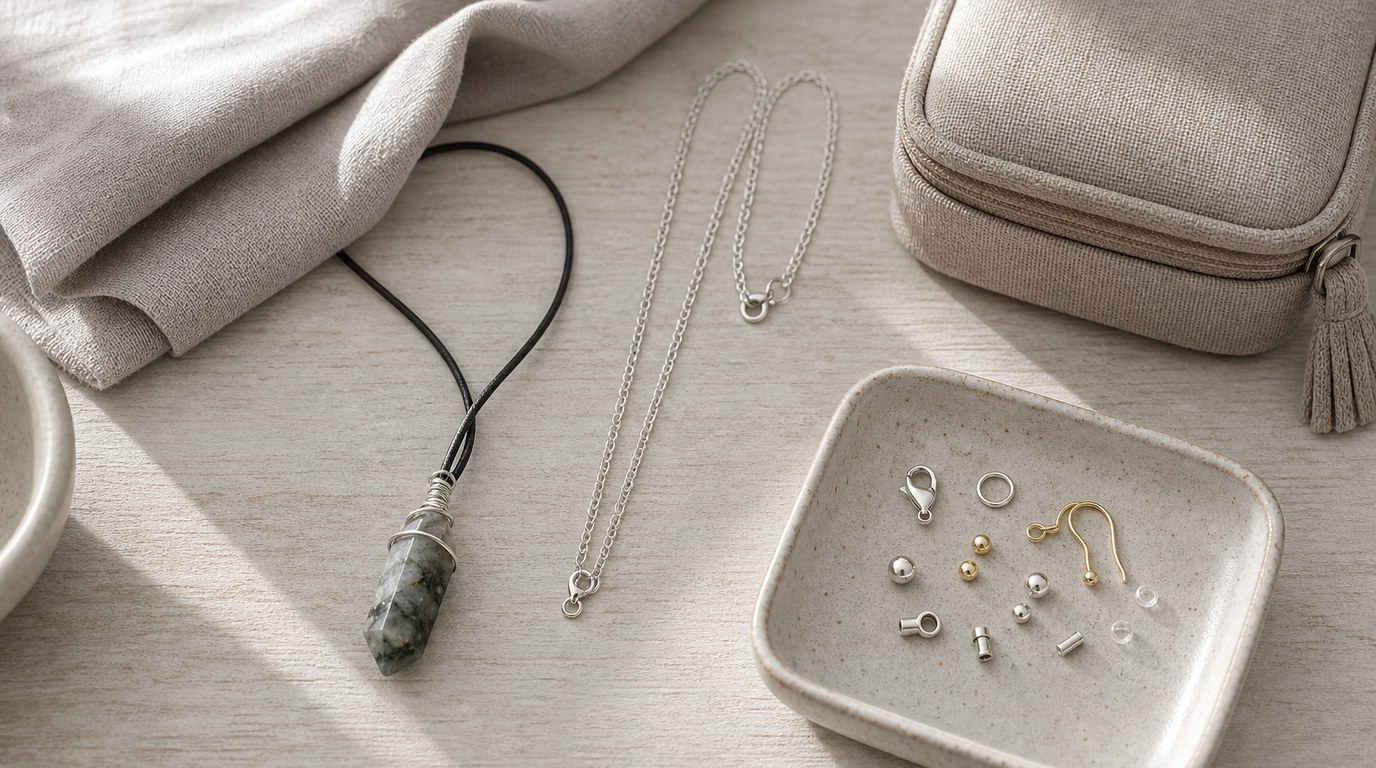
Before choosing a pendant, gather a few basics: a crystal pendant or stone ready for setting, a chain or cord, a soft cloth, and a safe storage pouch or box. If you have sensitive skin, check the metal type before buying. Sterling silver, stainless steel, gold-filled, or hypoallergenic findings may be better than unknown mixed metals.
Think about your daily routine. Do you work around machinery, small children, pets, water, or sports equipment? If so, choose a shorter chain, a secure clasp, and a smooth pendant without sharp edges. Crystal pendants are personal items, but they are still jewelry: comfort and safety come first.
Step 1: Choose a Crystal That Matches Your Intention and Lifestyle
Start with one intention, such as calm, focus, confidence, protection, self-love, or grounding. Then choose a crystal commonly associated with that theme. For example, amethyst is often chosen for calm reflection, rose quartz for compassion, clear quartz for clarity, black tourmaline for grounding, and citrine for positive energy.
Keep your lifestyle in mind. If you want a pendant for daily wear, choose a tougher, less fussy stone. Avoid very soft, flaky, or water-sensitive stones if you sweat often or may forget to remove jewelry before showering. Selenite, malachite, turquoise, opal, and some calcites need extra care. When in doubt, choose durability over appearance.
Step 2: Pick the Right Pendant Style, Setting, and Chain Length
A crystal pendant should feel secure before it feels beautiful. Common styles include wire-wrapped points, drilled beads, cabochon settings, cages, and small tumbled stones. Wire-wrapped pendants look handmade and energetic, but check for loose ends. Bezel or prong settings usually feel more polished and protective.
Choose chain length based on comfort and meaning. A 16–18 inch chain usually rests near the collarbone. A 20–24 inch chain often rests closer to the upper chest. Longer cords can feel casual but may swing, snag, or hit surfaces. Make sure the clasp closes fully, the bail fits the chain, and the pendant is not so heavy that it pulls on your neck.
Step 3: Cleanse or Prepare the Pendant Before Wearing It
Many people like to cleanse a crystal pendant before wearing it, especially if it is new, inherited, or secondhand. Keep the method gentle. Wipe the pendant with a clean, soft cloth. You can also place it near smoke from incense, rest it beside clear quartz, or leave it in moonlight for a short period.
Avoid soaking unknown stones in water. Some crystals can fade, rust, crack, dissolve, or lose polish. Also avoid saltwater unless you know the stone and metal can handle it. Cleansing is optional; the practical goal is to start with a clean, safe, intentional piece of jewelry.
Step 4: Set a Simple Intention for Your Pendant
Hold the pendant in your hand before putting it on. Take one slow breath and say one clear sentence, either silently or aloud. Keep it practical: “I wear this pendant to remind me to pause before reacting,” or “I use this pendant as a reminder to stay grounded today.”
Do not overcomplicate the intention. A strong intention is specific enough to remember and simple enough to repeat. If your purpose changes, reset it. Your pendant can become a daily cue for behavior, reflection, or mindfulness.
Step 5: Wear the Pendant in a Comfortable and Meaningful Position
Put the pendant on and check where it rests. It should not pinch, scratch, choke, bounce heavily, or tangle with clothing. If you want the pendant close to the heart area, choose a chain that lands at the upper chest. If you prefer subtle wear, choose a shorter chain that sits near the collarbone or a small pendant that can slip under clothing.
Before leaving home, do a quick movement test. Bend forward, turn your head, and gently tug the chain. If the pendant swings too much, catches on fabric, or feels heavy, adjust the length or save it for shorter wear.
Step 6: Build a Daily Wearing Routine
Begin by wearing your crystal pendant for a few hours, not necessarily all day. Notice comfort, skin reaction, and whether the chain stays secure. If everything feels fine, extend the wearing time.
Attach the habit to something you already do. Put it on after getting dressed, before meditation, before work, or when journaling. At the end of the day, remove it with awareness instead of tossing it onto a counter. A routine helps your pendant stay meaningful and prevents damage from careless handling.
Step 7: Care for Your Crystal Pendant After Wearing
After wearing, wipe the crystal and metal gently with a soft, dry cloth. This removes body oils, sweat, lotion, and dust. Store the pendant separately in a pouch, lined box, or small dish where it will not rub against harder jewelry.
Remove your pendant before swimming, showering, sleeping, exercising, cleaning, or applying perfume and hair products. Water, chemicals, pressure, and repeated impact can weaken settings and damage stones. Check the bail, clasp, wire, and stone regularly. If anything feels loose, stop wearing it until it is repaired.
Common Mistakes and Troubleshooting
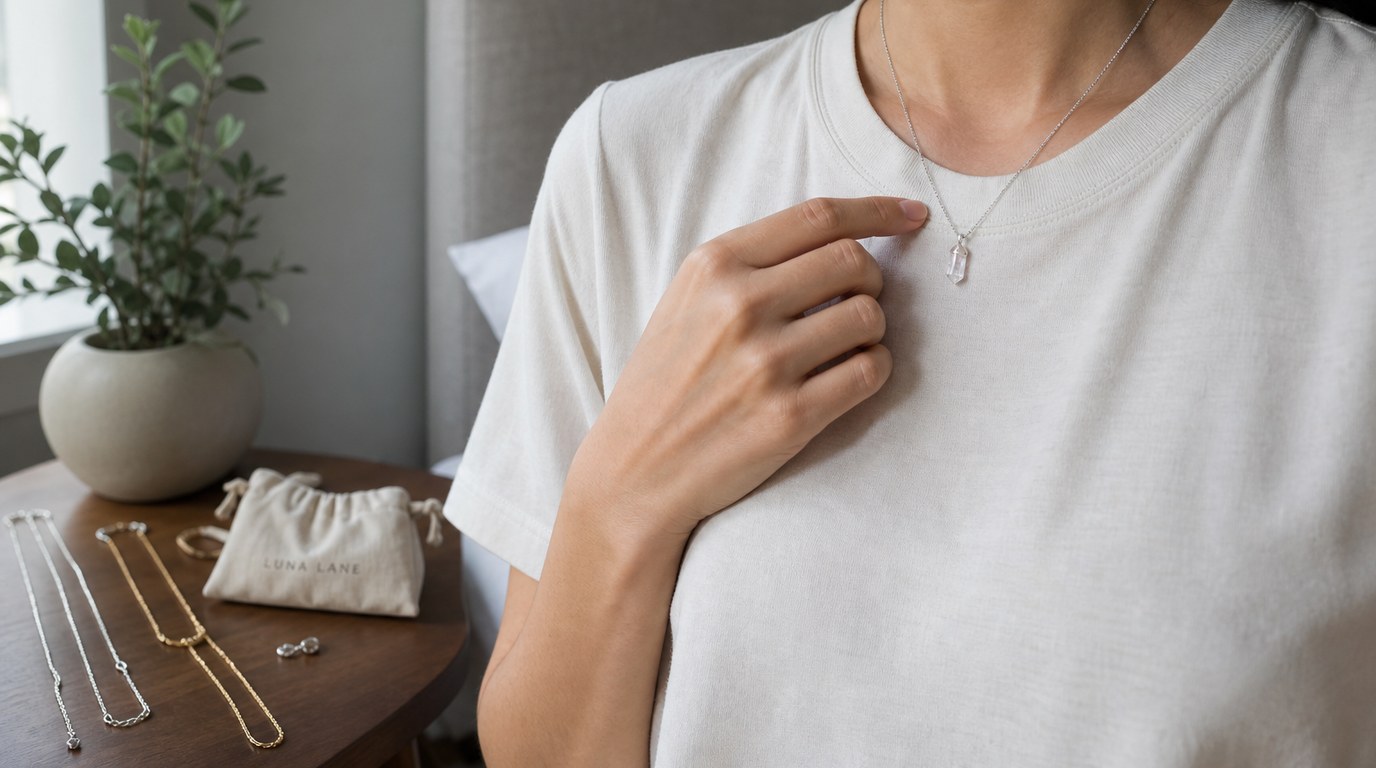
The biggest mistake is choosing a pendant only because it looks pretty, then discovering it is too heavy, fragile, or irritating for daily wear. Always test comfort and security first.
If your skin turns green, red, itchy, or sore, stop wearing the pendant and check the metal. You may need a hypoallergenic chain or a different setting. If the crystal looks dull, avoid harsh cleaners; wipe it gently and store it better. If the pendant keeps flipping, tangling, or snagging, try a shorter chain, lighter stone, or smoother setting.
Do not wear crystal pendants where they can become dangerous, such as around machinery, during contact sports, or while caring for babies who may pull or chew on jewelry.
How to Know Your Pendant Is Working for You
Your pendant is working for you if it is comfortable, safe, easy to wear, and connected to the intention you chose. You may notice that touching or seeing it reminds you to pause, focus, breathe, or return to your chosen mindset.
Success does not require dramatic signs. A good personal pendant becomes a useful daily reminder and a piece of jewelry you genuinely enjoy wearing.
FAQ
What Is the First Step Someone Should Take with Wearing Personal Crystal Pendants?
The first step is choosing one clear intention. Decide what you want the pendant to remind you of, such as calm, confidence, grounding, or self-care. Then choose a crystal and pendant style that fits both that intention and your daily routine.
What Can Go Wrong When Following Wearing Personal Crystal Pendants Advice?
Common problems include choosing a fragile stone, wearing a chain that snags, using water on a sensitive crystal, or reacting to the metal. Pendants can also break if worn during sleep, sports, showering, or work involving tools or machinery.
How Long Does It Usually Take to Work Through Wearing Personal Crystal Pendants?
You can choose, prepare, and begin wearing a crystal pendant in one day. The longer part is testing comfort and building a routine. Give yourself a few days of short wear before deciding whether it suits daily use.
How Can a Beginner Tell Whether Wearing Personal Crystal Pendants Worked?
A beginner can tell it worked if the pendant feels comfortable, stays secure, causes no irritation, and supports the intention as a daily reminder. If you enjoy wearing it and it helps you return to your chosen focus, it is serving its purpose.