
Many people get confused when they see pink crystals in a store. Are they rose quartz or pink quartz? While they look similar, they have some key differences worth knowing about.
If you want a deeper look at pink quartz meaning, this guide explains its gentle symbolism.
Rose quartz typically has a milky, cloudy pink appearance and forms in massive blobs, while pink quartz is more crystalline and transparent. Your rose quartz will keep its color over time, but pink quartz slowly fades when exposed to sunlight for long periods.
You might notice that sellers sometimes use these names interchangeably, which adds to the confusion. When shopping for these beautiful pink stones, look at the clarity and structure to help tell them apart. Rose quartz tends to have that signature cloudy look, while pink quartz crystals are clearer and more defined in structure.
Understanding Pink Quartz and Rose Quartz
Despite their similar names and appearance, pink quartz and rose quartz are distinct varieties of quartz with unique characteristics. These beautiful pink minerals have different structures, origins, and properties that make them special to collectors and crystal enthusiasts alike.
Definitions and Origins
Pink quartz and rose quartz are both beautiful members of the quartz family (SiO2), but they form in different ways. Rose quartz is more common and typically forms in pegmatite deposits, which are coarse-grained igneous rocks. It gets its soft pink color from trace amounts of titanium, manganese, or iron.
Pink quartz is much rarer than its rosy cousin. It forms in high-temperature environments and gets its color from aluminum and phosphorus impurities. Unlike rose quartz, pink quartz can lose its color when exposed to light for long periods – a property called photosensitivity.
You can find rose quartz deposits in many countries worldwide, including Brazil, Madagascar, India, and the United States. Pink quartz is mostly found in specific locations like Brazil and Maine (USA).
The Crystal Structure and Chemical Composition
Both minerals share the basic chemical formula of SiO2 (silicon dioxide), but their structures differ significantly. Rose quartz rarely forms in distinct crystals. Instead, it typically appears in massive form without clear crystal faces. Its pink color comes from microscopic inclusions of fibrous minerals.
Pink quartz, however, can form proper hexagonal crystals with clear faces. Scientists like Rykart have studied its unique structure. Under a microscope, you can see that:
- Rose quartz contains tiny needle-like inclusions
- Pink quartz has a more uniform color distribution
- Both have a hardness of 7 on the Mohs scale
The coloration in both stones comes from different impurities. In rose quartz (sometimes called “Rosenquarz” in German), tiny amounts of manganese and titanium create the pink hue. Pink quartz gets its color from aluminum phosphate substitutions in its crystal lattice.
History and Discovery
Humans have valued rose quartz for thousands of years. Ancient civilizations like the Egyptians and Romans used it for ornaments and believed it had healing properties. They often associated the stone with love and the heart.
Pink quartz wasn’t recognized as distinct from rose quartz until the 20th century. Scientists finally confirmed it as a separate variety in the 1980s after studying samples from Brazil.
You might find it interesting that rose quartz was used in beauty rituals by Egyptian and Roman women. They believed it prevented wrinkles and maintained youth. Today, both stones remain popular in jewelry and crystal healing practices.
Many crystal enthusiasts collect both varieties for their beauty and supposed metaphysical properties. While rose quartz is easily available at most crystal shops, finding genuine pink quartz requires more effort due to its rarity.
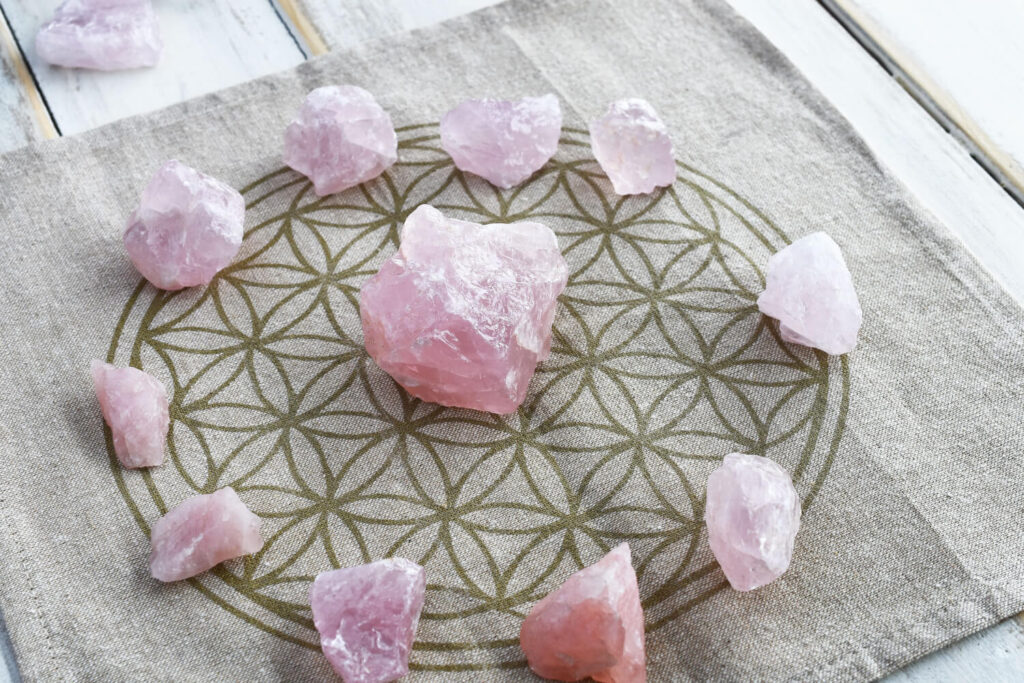
Key Differences Between Pink Quartz and Rose Quartz
Pink quartz and rose quartz are often confused, but they have distinct characteristics that set them apart. These differences extend beyond just their names and involve their physical properties, formation, and appearance.
Color and Transparency
Rose quartz typically displays a soft, milky pink color that appears somewhat cloudy. You’ll notice it has a more muted, pastel appearance compared to other pink stones. Rose quartz rarely shows complete transparency due to tiny inclusions that give it that characteristic milky look.
Pink quartz, on the other hand, is more transparent than its rosy cousin. You can find this variety with clearer, more vibrant pink tones. When you hold pink quartz up to light, you’ll see it allows more light to pass through than rose quartz does.
The color intensity can vary in both stones, but pink quartz generally achieves a more saturated pink in its finest specimens.
Origin of Color and Inclusions
The pink color in these quartzes comes from different sources. Rose quartz gets its color primarily from tiny inclusions of dumortierite and other fibrous minerals. These microscopic fibers create that soft, cloudy appearance you see in most specimens.
Pink quartz owes its color to different mechanisms, often related to aluminum and phosphate substitutions in the crystal structure. In some cases, traces of iron or iron oxide (hematite) contribute to its coloration.
You can sometimes see these inclusions with magnification. Rose quartz has those characteristic fibrous inclusions, while pink quartz may show different types of mineral inclusions that don’t create the same cloudy effect.
Structure and Twinning
The crystal structure represents one of the biggest differences between these two varieties. Rose quartz typically forms in massive chunks rather than defined crystals. You rarely find natural rose quartz in crystal form with clear faces and points.
Pink quartz, however, can form proper crystals with defined faces. It can exhibit twinning—a special growth pattern where crystals join together in a systematic way. This twinning is something you won’t find in typical rose quartz specimens.
When shopping for either variety, examine the overall structure. If you see a pink stone with clear crystal faces that formed naturally, you’re likely looking at pink quartz rather than rose quartz, even if someone has labeled it otherwise.
Formation and Geological Sources
Pink quartz and rose quartz come from different geological processes and sources, which explains their varied appearances and properties. Learning about their formation can help you better understand these beautiful pink gemstones.
Mineralogy and Formation Processes
Rose quartz typically forms within igneous rocks, particularly in pegmatites and hydrothermal veins. These special rocks develop during the cooling and crystallization of magma over long geological periods. The distinct pink color in rose quartz comes from trace amounts of titanium, iron, or manganese within its crystal structure.
Pink quartz, on the other hand, forms differently. This variety gets its color from different mineral inclusions than rose quartz. While rose quartz contains fibrous dumortierite inclusions, pink quartz has its own unique mineral makeup.
Both are varieties of quartz (silicon dioxide), but their formation conditions create different appearances. Rose quartz rarely forms visible crystals, while pink quartz can develop more defined crystal structures.
Locations Around the World
You can find these beautiful pink minerals in several countries around the globe. Brazil is a major source, especially the Minas Gerais region, which produces some of the world’s finest rose quartz specimens.
Madagascar and South Africa are also important sources for quality pink quartz varieties. In India, several regions yield these pink gemstones in varying qualities.
The United States also has significant deposits, particularly in Maine. Other notable locations include:
- Colorado
- South Dakota
- California
When shopping for these minerals, knowing their source can help you understand their quality and characteristics. Brazilian specimens are often highly valued for their color intensity and clarity.
Pink Quartz and Rose Quartz in the Gemstone Market
Both pink quartz and rose quartz hold distinct positions in the gemstone market, with differences in value, availability, and appeal to collectors. These pink varieties of quartz attract different types of buyers depending on their characteristics and uses.
Value and Rarity
Pink quartz is generally more valuable than rose quartz due to its rarity. While rose quartz is found in many locations worldwide, true pink quartz is much harder to come by. You’ll notice that pink quartz often commands higher prices because it’s more crystalline and can display better transparency than the typically milky, translucent rose quartz.
When shopping for these gemstones, expect to pay more for:
- Pink quartz with good clarity
- Larger specimens of either variety
- Pieces with unusual color intensity
Rose quartz is quite affordable for most collectors, making it a popular choice for beginners. You can find quality pieces for your collection without breaking the bank. Pink quartz, however, might require a bigger investment, especially for high-quality specimens.
Collector Demand and Popularity
Rose quartz enjoys widespread popularity among both casual and serious collectors. You’ll find it used extensively in:
- Jewelry making
- Decorative objects
- Crystal healing collections
- Meditation tools
Despite being less known, pink quartz has developed a devoted following among specialized collectors who appreciate its rarity. You might notice that serious gemstone enthusiasts often seek out pink quartz specimens for their uniqueness.
The market for both stones continues to grow as more people become interested in collecting crystals. Social media has helped boost their popularity, with many collectors showcasing their pink and rose quartz specimens online. If you’re just starting your collection, rose quartz offers an accessible entry point, while pink quartz represents a more specialized acquisition for your growing collection.
Jewelry and Decorative Uses
Both rose quartz and pink quartz make beautiful jewelry pieces and decorative items. Their soft pink colors add a gentle touch to any collection or outfit.
Popular Jewelry Styles
Rose quartz is one of the most beloved stones for jewelry making. You’ll find it in necklaces, pendants, bracelets, rings, and earrings. The milky, soft pink color makes it perfect for romantic and feminine designs. Rose quartz hearts are especially popular for necklaces and pendants.
Pink quartz, being more transparent and vibrant, is often used in statement pieces where clarity is desired. You might notice it costs a bit more than rose quartz due to its rarity.
Both stones work well in silver and gold settings. For a modern look, try rose quartz in rose gold settings – the matching pink tones create a harmonious appearance.
Beads, Tumbled Stones, and Carvings
Tumbled stones are among the most common forms of rose quartz you’ll find. These smooth, polished pieces make wonderful worry stones or pocket crystals. Many people collect them for display in bowls or containers.
Rose quartz beads are popular for making your own jewelry. You can string them together for necklaces or bracelets. They come in various sizes and shapes – round, oval, and chip beads being the most common.
Both stones are carved into decorative objects like spheres, pyramids, and hearts. Rose quartz is softer and easier to carve, making it more common for sculptures and figurines. Some stunning pieces include:
- Animal figurines
- Massage wands
- Small bowls or dishes
- Decorative eggs
Symbolism, Lore, and Popular Culture
Both rose quartz and pink quartz carry rich meanings in various cultures and traditions. These beautiful pink stones have captivated people for centuries with their associations to love and healing.
Love and Emotional Healing
Rose quartz is often called the “Stone of Love” because of its strong connection to matters of the heart. You might find it recommended for attracting new love or healing relationship wounds. Many believe holding rose quartz can help you release emotional pain and increase self-love.
Pink quartz shares similar properties but is sometimes considered more powerful for deep emotional healing. You can place either stone near your bed to promote peaceful sleep and loving dreams.
In modern crystal healing practices, both stones are used in meditation to open the heart chakra. You might see practitioners place these crystals on the chest during sessions to promote feelings of compassion and forgiveness.
Many people give rose quartz jewelry as gifts to symbolize love and friendship.
Role in Mythology and Traditions
In Greek mythology, rose quartz was believed to be created by Aphrodite, the goddess of love. The story tells that she cut herself on a thorny rose bush while trying to save her lover Adonis, and their mingled blood stained the quartz pink.
Egyptian traditions valued rose quartz for its beauty and believed it prevented aging. You can still find ancient Egyptian artifacts featuring this pink stone.
In Chinese mythology, pink stones represented luck in love. You might see pink quartz carvings used in traditional Feng Shui practices to attract romance.
Native American traditions incorporated both types of quartz in healing ceremonies. Many tribal healers used these stones to balance emotions and promote harmony.
Similar and Associated Quartz Varieties
Quartz comes in many colors and forms beyond pink varieties. These include smoky, blue, and strawberry quartz, as well as clear rock crystal and microcrystalline types like agate and jasper.
Blue, Smoky, and Strawberry Quartz
Blue quartz gets its color from tiny mineral inclusions like dumortierite or blue amphibole. When you see this blue variety, you’re actually seeing light reflecting off these microscopic inclusions rather than the quartz itself.
Smoky quartz ranges from light brown to nearly black. This color develops when quartz is exposed to natural radiation in the earth. You might notice smoky quartz is quite common in granite regions.
Strawberry quartz displays a lovely pinkish-red color. Unlike rose quartz, its color comes from iron oxide inclusions. These inclusions create small red spots throughout the crystal, giving it a strawberry-like appearance.
These varieties differ from rose and pink quartz in both their coloration mechanisms and typical formation environments.
Rock Crystal, Agate, Jasper, and Amethyst
Rock crystal is pure, colorless quartz. You can think of it as the baseline form from which other varieties develop. Its clarity and transparency make it popular for both decorative and metaphysical purposes.
Amethyst, with its purple color, is perhaps the most famous quartz variety. Its coloration comes from iron impurities and radiation exposure. When heated, amethyst can turn into citrine’s golden yellow hues.
Agate and jasper represent microcrystalline quartz varieties:
- Agate: Forms in bands or layers, often with striking patterns
- Jasper: Opaque with earthy tones of red, yellow, or brown
These varieties show how versatile quartz can be in its appearance and formation.
Common Inclusions and Phenomena
Many quartz varieties display special effects due to inclusions or structural features. Asterism (star effect) appears in some rose quartz when light reflects off rutile needle inclusions, creating a star-like pattern on the surface.
Rutile inclusions can also create a cat’s eye effect in cabochon-cut stones. You’ll notice this as a bright line that moves across the stone when you rotate it.
Other common inclusions include:
- Tourmaline needles
- Hematite plates
- Liquid or gas bubbles
- Chlorite phantoms
These inclusions not only create beautiful effects but also help gemologists identify the origin and formation conditions of quartz specimens. When you examine your quartz pieces, look for these special features that make each stone unique.
Physical and Chemical Properties
While rose quartz and pink quartz share similar properties, they have distinct physical and chemical characteristics that set them apart. These differences affect how you might use or identify these popular pink stones.
Hardness and Durability
Both rose quartz and pink quartz rank at 7 on the Mohs hardness scale, making them relatively hard minerals. This means they resist scratching from many common materials like steel.
Rose quartz tends to be somewhat brittle despite its hardness. If you drop or hit it against something hard, it can break or chip. This is important to remember when setting rose quartz in jewelry that might experience impact.
Pink quartz forms visible crystals, unlike rose quartz which typically appears in massive form without distinct crystal faces. This crystalline structure can affect how pink quartz fractures when damaged.
For everyday wear, both stones require reasonable care to maintain their appearance and integrity.
Chemical Elements and Silicon Content
Both varieties are fundamentally silicon dioxide (SiO₂), the same chemical compound that makes up all quartz types. The silicon and oxygen bond creates the framework for these beautiful minerals.
The main difference lies in what causes their pink coloration. Rose quartz gets its color from fibrous dumortierite inclusions – tiny mineral fibers trapped within the quartz structure.
Pink quartz, on the other hand, contains different trace elements that create its color. The specific elements can vary, but they integrate differently into the crystal structure than in rose quartz.
The silicon content remains consistent between both varieties, as it forms the fundamental crystal structure of all quartz minerals.