
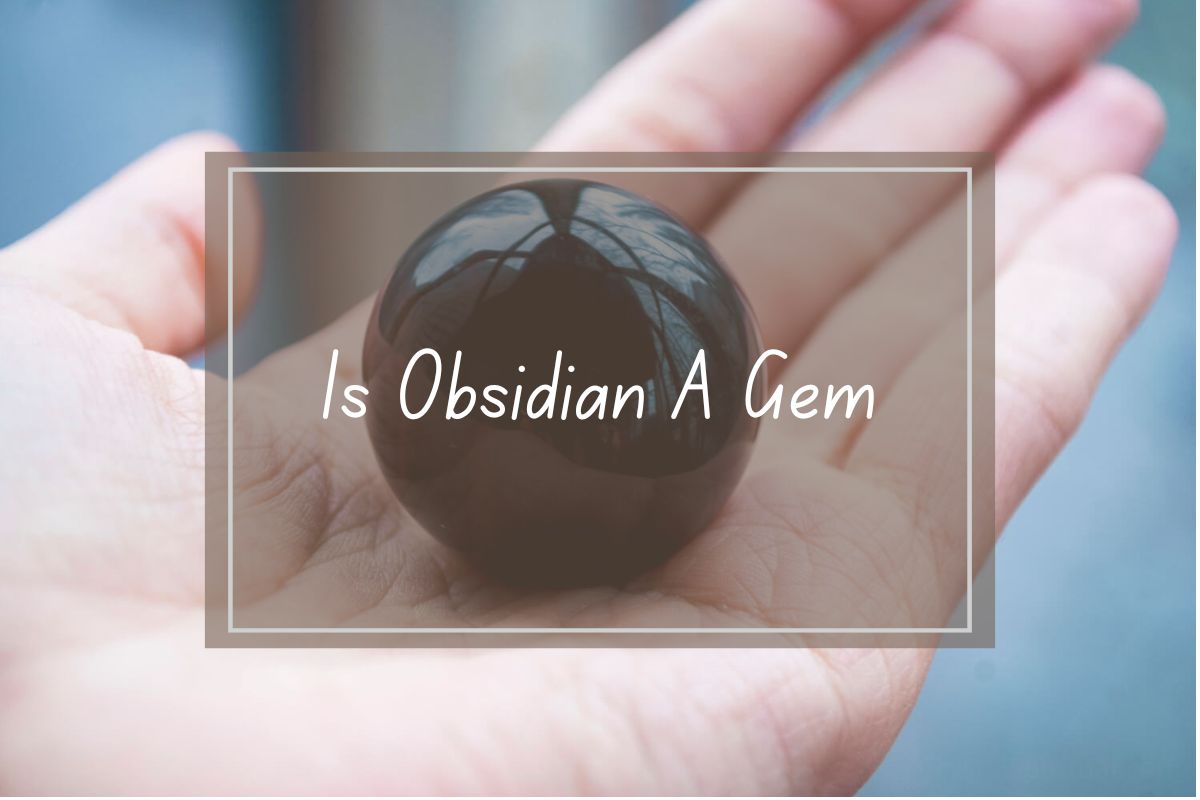
Have you ever wondered if that sleek black stone you found is a real gem? While obsidian looks like a gemstone, it’s not technically a gem at all. Obsidian is actually natural volcanic glass that forms when lava cools so quickly that crystals don’t have time to grow.
You might spot obsidian in different varieties, from pure black to gold sheen and even rainbow colors. The stone has been treasured for thousands of years – ancient people used it to make tools and arrowheads. Today, you’ll find obsidian in beautiful jewelry pieces and decorative objects.
Even though it’s not a true gem, obsidian is still valuable and special. You can find affordable pieces compared to other black stones like black diamonds or sapphires. Its unique glassy appearance and rich cultural history make it a fascinating stone to collect or wear.
What Is Obsidian?
Obsidian is a fascinating volcanic glass that forms when lava cools so quickly that crystals don’t have time to grow. You’ll find this unique natural material in areas with past volcanic activity.
Defining Obsidian
Obsidian starts its journey as hot lava that shoots out from a volcano. When this lava cools super fast, it turns into a natural glass instead of forming crystals like other rocks.
This special rock is rich in silica, making up about 65-80% of its composition. You might notice it looks a lot like glass, with a smooth and shiny surface that can be quite beautiful.
Obsidian is actually not a true mineral because it doesn’t have a crystal structure. Scientists call it a mineraloid instead – a natural substance without crystals.
You can find obsidian in several colors, though black is most common. The rock is slightly harder than window glass and has a distinctive glassy shine that makes it easy to spot.
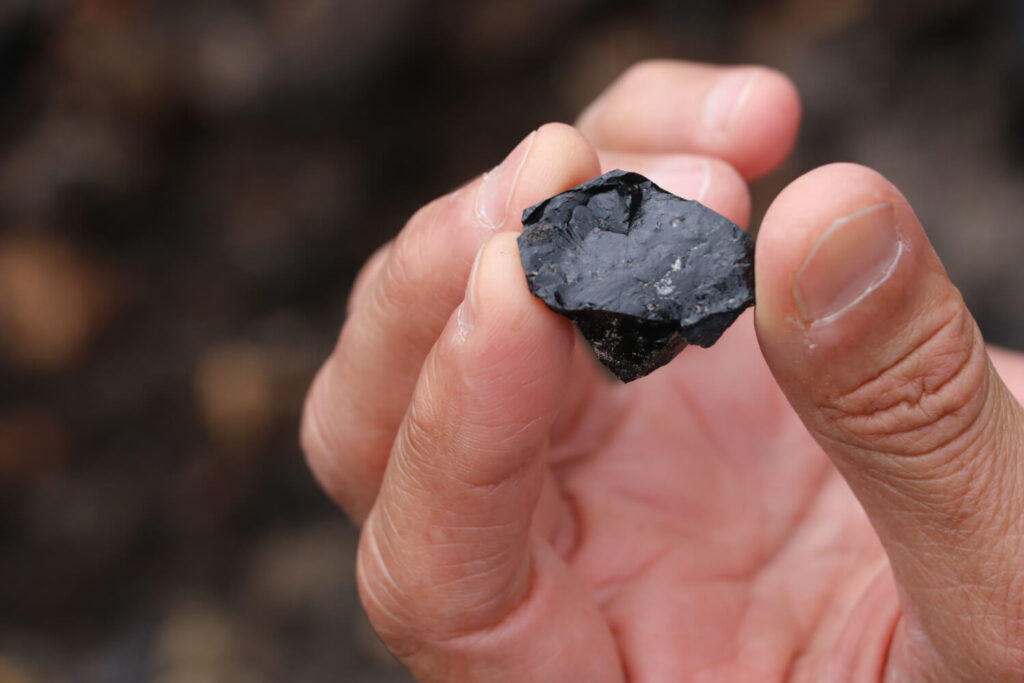
When you look at fresh obsidian, you’ll see it has sharp edges. Ancient peoples used these sharp edges to make tools and weapons.

Geological Formation
Obsidian forms through quick cooling of volcanic lava, creating a natural glass without crystals.
Volcanic Activity and Obsidian
When you look at volcanic regions, you’ll find obsidian near places where lava flowed in the past. The rock forms when silica-rich lava cools so fast that crystals don’t have time to grow.
Think of it like making ice – if you freeze water slowly, you get clear crystals. But if you freeze it super fast, it becomes cloudy. Obsidian is like that, but with molten rock instead of water.
The cooling process happens at the surface or very close to it. You’ll often find obsidian at the edges of lava flows where the hot material met cool air or water.
The chemical makeup of obsidian includes lots of silicon and oxygen, plus elements like aluminum, sodium, and potassium. These elements come from specific types of lava called felsic lava.
Natural obsidian typically forms in places with active or recent volcanic activity. That’s why you’ll spot it in areas like Iceland, Italy, and parts of the western United States.
Types and Characteristics
Obsidian forms in many striking colors and patterns, with each type having special traits that make it unique. The stone’s glassy nature and sharp edges come from its quick cooling process during formation.
Varieties of Obsidian
Black obsidian is the most common type, showing a pure, deep black color that shines like glass. You’ll often see it used in jewelry and decorative pieces.
Snowflake obsidian creates beautiful patterns with white spots that look like winter frost against its dark background. These spots form when parts of the glass start to crystallize.
Fire obsidian displays amazing flashes of red, orange, and green when light hits it just right. It’s one of the rarest and most sought-after varieties.
Mahogany obsidian mixes dark brown and black in swirling patterns that remind you of rich wood grain.
Gold sheen obsidian sparkles with a metallic yellow shine when you move it in the light.
Physical Properties
Your obsidian piece will feel smooth and cool to the touch, with a glass-like surface that reflects light brilliantly.
The stone breaks in a special way called conchoidal fracture, creating curved surfaces that look like seashells. This made it perfect for ancient tools.
You’ll notice these key features:
- Hardness: 5-5.5 on the Mohs scale
- Luster: Glassy to slightly metallic
- Breakage: Very brittle with extremely sharp edges
- Texture: Smooth and glass-like
The stone forms when lava cools so fast that crystals don’t have time to grow, creating its signature glassy look.
Obsidian Around the World
Obsidian forms in many places across the globe where volcanic activity creates the perfect conditions for this natural glass. You can find unique varieties of obsidian in different regions, each with special colors and patterns.
Notable Locations
You’ll discover some of the world’s best obsidian deposits in Mexico, particularly in Jalisco state. The rainbow obsidian found here shows stunning bands of color when cut and polished.
The western United States is rich in obsidian deposits. Oregon’s Glass Buttes and California’s Obsidian Buttes offer black, mahogany, and snowflake varieties.
Iceland’s volcanic landscape makes it a prime spot for black obsidian. The island’s frequent volcanic activity creates new deposits regularly.
In Japan, you can find obsidian on several volcanic islands. These deposits were important to ancient Japanese cultures for making tools.
Indonesia’s volcanic islands produce unique obsidian varieties. Local artisans still use this material for jewelry and decorative items.
You might spot obsidian while hiking in Arizona’s Coconino National Forest or Utah’s Black Rock Desert. These areas have smaller but significant deposits.
Hawaii’s active volcanoes create fresh obsidian deposits. The Big Island’s Kilauea volcano produces small amounts of this volcanic glass.
Historical Uses
From ancient civilizations to early modern times, people discovered countless ways to use obsidian’s unique properties. This volcanic glass served many important roles in daily life, trade, and cultural practices.
Obsidian in Ancient Cultures
The Aztecs prized obsidian and called it itztli, using it for both practical tools and ceremonial objects. You can see examples of obsidian mirrors they used in religious rituals and for divination.
Ancient Egyptians carved small amulets and decorative items from this shiny black stone. They believed it held protective powers.
Many cultures valued obsidian as a trading material. Archaeological evidence shows obsidian trading routes stretched thousands of miles across ancient civilizations.
Evolution of Obsidian Tools
The sharp edges of obsidian made it perfect for crafting tools. When broken, it creates edges sharper than modern surgical steel.
Early humans made:
- Arrowheads for hunting
- Scrapers for preparing animal hides
- Knives for cutting and carving
- Spear points for protection
Some cultures used obsidian tools for medical procedures. The extremely sharp edges allowed for precise cuts that helped with healing.
As metalworking spread, obsidian tool use decreased in most areas. Still, some remote communities continued using obsidian tools into the 1800s.
Obsidian in Jewelry and Ornamentation
Obsidian’s sleek black surface and glass-like qualities make it a stunning choice for jewelry. People have used this natural volcanic glass to create beautiful accessories for thousands of years.
Crafting with Obsidian
When you work with obsidian in jewelry, you’ll notice it needs careful handling due to its brittle nature. The best pieces feature smooth, rounded edges to prevent chips and breaks.
You can find obsidian in many eye-catching forms of jewelry:
- Pendants: Often set in protective silver or gold bezels
- Beads: Polished into smooth spheres for necklaces
- Rings: Usually with rounded cabochon cuts
- Earrings: Commonly drops or studs with protective settings
The stone comes in exciting colors beyond classic black. You might spot:
- Rainbow obsidian with colorful bands
- Golden sheen obsidian
- Snowflake obsidian with white crystal patterns
- Mahogany obsidian with reddish-brown hues
Modern jewelry makers love working with obsidian because it polishes beautifully and pairs well with both silver and gold settings. You’ll often see it combined with other gemstones for striking contrast.
Metaphysical and Healing Properties
Obsidian acts as a powerful crystal for protection and grounding, connecting you directly to Earth’s energy while clearing away negative influences.
Emotional and Spiritual Benefits
You can use obsidian to help release emotional blockages and boost your confidence. When placed near your root chakra, it creates a shield of protection against negative energies.
Key Benefits for Your Spiritual Journey:
- Enhances clarity during meditation
- Supports lucid dreaming practices
- Strengthens your emotional boundaries
The stone works well in feng shui applications, especially near entrances or in the north area of your space for protection. Place it under your pillow to help process difficult emotions while you sleep.
Wearing obsidian jewelry can help you stay centered throughout your day. Many people find it useful during stressful situations or important decisions.
The crystal’s grounding energy helps you feel more stable and secure. It acts like a spiritual anchor, keeping you connected to the present moment while working through emotional challenges.
You might notice improved self-awareness when working with obsidian regularly. Its energy helps bring hidden thoughts and feelings to the surface for healing.
Modern Applications
Obsidian plays key roles in medicine, jewelry making, and spiritual practices today. Its natural glass properties make it perfect for precise cutting tools and decorative items.
Obsidian in Contemporary Uses
When you look at modern obsidian tools, surgical scalpels stand out as one of the most important uses. These blades can be up to 500 times sharper than steel scalpels and make cleaner cuts between cells during delicate procedures.
You’ll find obsidian in many beautiful pieces of jewelry. Its glossy black surface and variations like rainbow, gold sheen, and silver sheen make stunning pendants, beads, and decorative pieces.
Many people use obsidian in meditation practices and crystal healing. You can find polished obsidian spheres, palm stones, and towers in spiritual supply shops.
Scientists and researchers still study obsidian to learn about ancient volcanic activity and rock formation. You can examine samples in museums and geology labs to see its unique glassy structure.
Craftspeople shape obsidian into sharp blades and tools for specialized uses, much like their ancestors did thousands of years ago. The stone’s natural properties make it ideal for precise cutting.
Maintenance and Care
Taking good care of your obsidian requires special attention since it’s a delicate and brittle stone that can break or scratch easily.
Handling Obsidian
Always handle your obsidian pieces with gentle care. Place a soft cloth on your work surface to prevent scratches when setting down the stone.
Cleaning tips:
- Use warm water and mild soap
- Wipe gently with a soft microfiber cloth
- Never use harsh chemicals or ultrasonic cleaners
- Pat dry completely after cleaning
Storage guidelines:
- Keep pieces wrapped in soft fabric
- Store separately from other stones
- Place in a padded jewelry box
- Avoid extreme temperatures
Watch out for sharp edges on raw or broken pieces. Obsidian can break into very sharp fragments, similar to glass.
Your obsidian jewelry needs extra protection. Remove rings or pendants before exercising, swimming, or doing household chores to prevent damage.
Consider having a professional jeweler check and clean your obsidian pieces once a year to maintain their beauty and structure.
Imitations and How to Identify Genuine Obsidian
Many fake obsidian pieces are made from black glass or plastic. Real obsidian has specific traits that make it stand out from imitations.
Distinguishing Real Obsidian
Real obsidian has a hardness of 5.5 on the Mohs scale. You can test it by trying to scratch it with a knife – genuine obsidian will show a white, chalk-like scratch mark.
Look for natural imperfections and flow patterns in the stone. Real obsidian often has subtle bands or streaks that form during its creation as volcanic glass.
When examining rainbow obsidian or peacock obsidian, the colors should appear deep within the stone rather than on the surface. Silver sheen obsidian displays a metallic shimmer that comes from tiny gas bubbles trapped inside.
Apache tears, a natural form of obsidian, are small rounded pieces with a distinctive teardrop shape. They’re often more transparent than regular obsidian when held up to light.
Watch out for pieces that feel too light or warm to the touch – these are likely plastic imitations. Real obsidian feels cool and has a substantial weight.
Under magnification, genuine obsidian shows conchoidal (shell-like) fractures. This pattern is hard to fake in glass or plastic imitations.
Obsidian in Popular Culture
Obsidian has captured peoples’ imagination across art, media, and spiritual practices. Its dark, reflective surface represents power and protection in many works.
Symbolism and Representation in Media
In video games like Minecraft, obsidian creates some of the strongest building blocks – just like its real-world durability.
The stone’s mysterious black surface appears in many TV shows and movies as magical mirrors or portals to other worlds. You’ll often see characters using obsidian jewelry or artifacts for spiritual protection.
In feng shui practices, you can place obsidian near entrances to guard against negative energy. Many people wear obsidian jewelry not just for style, but as a symbol of inner strength and clarity.
Modern artists and designers love using obsidian in sculptures and decor. Its glossy black surface creates striking visual effects that draw the eye and spark conversation.
The stone shows up frequently in fantasy stories as a material for magical weapons and tools. Writers often describe obsidian blades as having special powers against evil forces.