
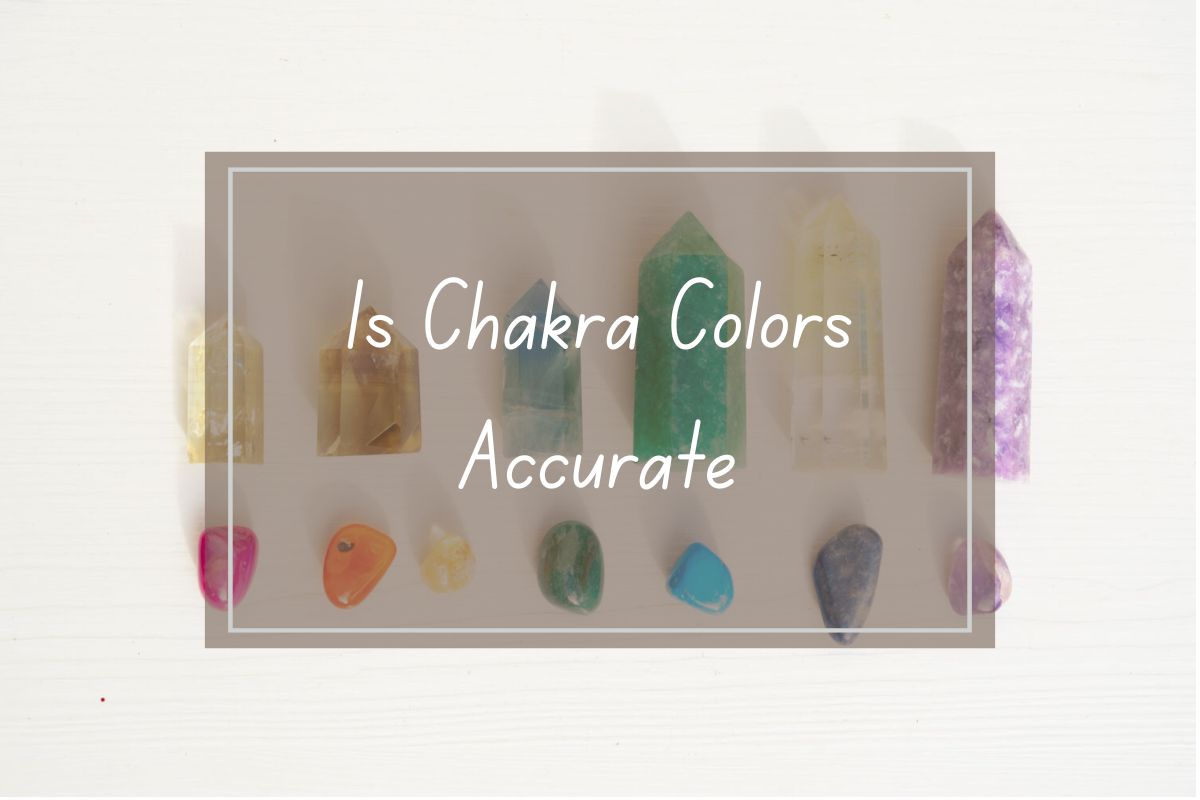
The colors of chakras serve as helpful symbols to understand energy centers in your body. While these rainbow-like colors aren’t physically visible, they give you a simple way to connect with different aspects of your well-being.
The chakra color system comes from ancient spiritual traditions and provides a meaningful framework, even though the colors themselves are symbolic rather than literal energy that you can see or measure. You can think of chakra colors like a map that guides you to different areas of physical, emotional, and mental health.
The purple of your third eye chakra or the red of your root chakra might not show up on medical scans, but working with these color associations can help you focus on specific areas of growth and healing. Many people find the chakra color system useful as a meditation and self-reflection tool.
Understanding Chakra Colors
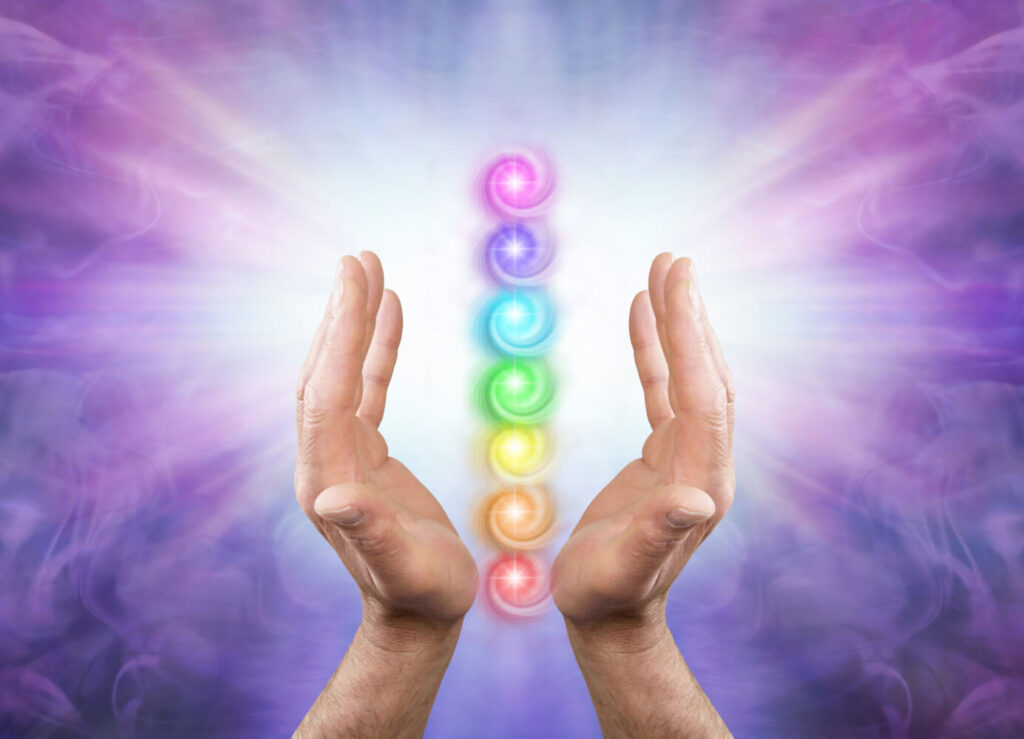
Each chakra has a distinct color that represents specific energies and qualities in your body’s energy system. These colors form a rainbow pattern from the base of your spine to the crown of your head.
Historical Origins
The concept of chakra colors emerged from ancient Indian spiritual traditions, dating back thousands of years. Sanskrit texts first described chakras as energy wheels, though they didn’t initially assign specific colors.
The modern color system developed in the early 1900s, combining traditional Eastern knowledge with Western color theory. This created the rainbow pattern many people use today.
The Seven Main Chakras
Your root chakra glows red, linking to safety and survival. The sacral chakra shines orange, connecting to creativity and emotions.
Your solar plexus chakra radiates yellow, representing personal power. The heart chakra glows green, symbolizing love and compassion.
The throat chakra shows bright blue, helping with communication. Your third eye chakra appears indigo, supporting intuition.
Your crown chakra shimmers in violet or white, representing spiritual connection.
Each color matches the chakra’s energy frequency. Red has the lowest frequency, while violet has the highest – just like the light spectrum.
You can work with these colors through meditation, clothing choices, or crystals that match each chakra’s shade.
Scientific Perspective
Current research shows limited empirical evidence for traditional chakra color associations. Scientists study both psychological effects of colors and measurable body responses.
Color Psychology
Colors can affect your emotions and mental state. Red might make you feel energized, while blue creates calm feelings. Research shows these responses happen in your brain’s visual processing areas.
Your color perception links to memory and past experiences. When you see specific colors, your brain creates connections based on cultural meanings and personal memories.
Physiological Correlations
Scientists have tried measuring energy fields around the body. Some studies used electronic devices to detect frequencies near traditional chakra points.
Dr. Valerie Hunt’s research found specific frequency patterns near chakra locations. The heart area showed readings around 300Hz, matching some traditional energy theories.
Your body has measurable bioelectric fields. These fields come from natural cellular activity and nerve signals. Scientists can detect these with special equipment, though they haven’t proven a direct link to chakra colors.
Modern medical imaging shows activity in areas that match traditional chakra points. These spots often contain major nerve clusters or important organs.
Cultural Interpretations
Different cultures have shaped how chakra colors are understood and used today. Ancient spiritual practices mixed with modern interpretations have created unique perspectives on these energy centers.
Eastern Traditions
The chakra system started in India around 1500 BCE as part of Hindu and Buddhist practices. Early texts like the Upanishads didn’t mention specific colors for chakras – they focused on spiritual meanings and energy flows.
In traditional Indian medicine, chakras were linked to physical and emotional health. Each energy center had its own symbols, mantras, and elements rather than colors.
Sanskrit texts described chakras through metaphors of lotus flowers with different numbers of petals. These descriptions emphasized spiritual growth and energy movement more than color associations.
Western Adaptations
Modern Western interpretations of chakra colors emerged in the 1900s, gaining popularity during the New Age movement. Psychology and color therapy influenced these new understandings.
Psychologist Christopher Hills played a key role in the 1970s by connecting chakras to specific colors based on his research into human consciousness and energy.
Western practitioners often use the rainbow spectrum (red, orange, yellow, green, blue, indigo, violet) to represent chakras. This system helps you visualize and work with energy centers during meditation and healing practices.
Many modern yoga studios and wellness centers blend Eastern spiritual concepts with Western color psychology to create accessible chakra practices for their students.