
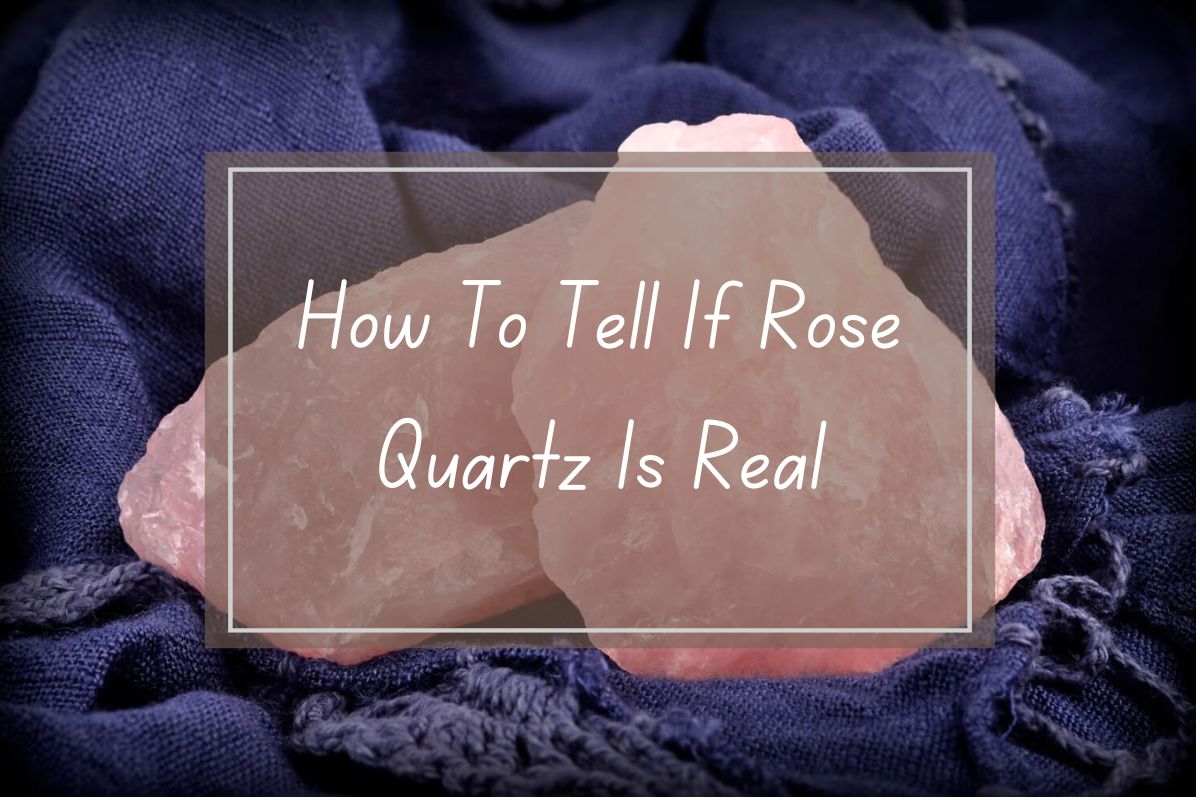
Rose quartz is a beautiful crystal that many people love to collect and use for healing. With its soft pink color, it’s no wonder that fake versions have flooded the market. If you’re wondering about that pretty pink stone you just bought, there are simple ways to check if it’s the real deal.
Real rose quartz won’t scratch when tested with a steel knife because it ranks 7 on the Mohs hardness scale. This easy test can help you spot fakes right away. Another clue is the color – authentic rose quartz has a very light, pale pink tone that looks natural, not bright or artificially colored.
You can also look for natural imperfections. Genuine rose quartz often contains tiny inclusions or imperfections inside the crystal. These might appear as small fractures or bubbles that formed naturally when the crystal was created. Fake rose quartz made from plastic might even melt when exposed to heat, while the real stone will remain unchanged.
Understanding Rose Quartz
Rose quartz is a beautiful pink variety of crystalline quartz that has been treasured for thousands of years. Before learning how to identify authentic rose quartz, it’s helpful to understand where it comes from, what gives it its color, and why people value it so highly.
Natural Origins of Rose Quartz
Rose quartz forms deep within the earth in pegmatite deposits, which are extremely coarse-grained igneous rocks. You’ll find major rose quartz deposits in Brazil, Madagascar, India, and parts of the United States, especially Maine and South Dakota.
Unlike clear quartz crystals that form in perfect hexagonal shapes, rose quartz rarely forms as well-defined crystals. Instead, you’ll typically find it in massive form—large chunks without crystal faces. This happens because rose quartz forms under specific pressure and temperature conditions that don’t allow for perfect crystal development.
When you hold a piece of natural rose quartz, you’re touching something that took millions of years to form!
Color and Varieties
The lovely pink color of rose quartz comes from tiny amounts of titanium, iron, or manganese in its structure. The intensity of the pink can vary from pale blush to deep rose, depending on the mineral content.
True rose quartz is typically cloudy or translucent rather than completely transparent. If you see a perfectly clear pink crystal, it’s more likely to be pink quartz (a different variety) or something synthetic.
Some rose quartz displays a star-like effect called asterism when cut into a cabochon shape. This “star rose quartz” contains tiny rutile needle inclusions that create a six-rayed star pattern when light hits it just right.
You might also notice some rose quartz has whitish streaks or patches. These natural variations don’t reduce its value or authenticity.
Historical Significance
Throughout history, people have treasured rose quartz for its beauty and supposed healing properties. Ancient Egyptians believed rose quartz prevented aging, while Romans used it to signal ownership of property.
In Greek mythology, rose quartz was connected to Aphrodite, the goddess of love. The story goes that she cut herself while trying to save her beloved Adonis, and their mingled blood stained white quartz pink.
You’ll find rose quartz featured in royal jewelry across cultures. The Mogul emperors of India incorporated it into elaborate designs, and Chinese craftsmen carved it into intricate sculptures.
Today, many people still value rose quartz for metaphysical reasons. It’s often called the “heart stone” and is said to promote compassion and peace. Whether or not you believe in crystal healing, you can appreciate the long human connection to this beautiful pink stone.
Identifying Real Rose Quartz
Rose quartz is popular in jewelry and crystal collections, but fake versions are common in the market. Learning to spot real rose quartz involves checking several key features that distinguish genuine specimens from imitations.
Physical Properties
Real rose quartz has a Mohs hardness of 7, making it quite durable. You can test this by trying to scratch it with a steel knife. Genuine rose quartz won’t scratch, while fakes made from softer materials will show marks.
Weight is another good indicator. When you hold rose quartz, it should feel solid and substantial in your hand. Fake stones made from plastic or glass usually feel much lighter for their size.
The texture matters too. Authentic rose quartz has a consistent feel throughout. Many natural pieces have tiny fractures or irregular surfaces, especially in raw specimens. These imperfections often indicate a real stone rather than a manufactured one.
Optical Features
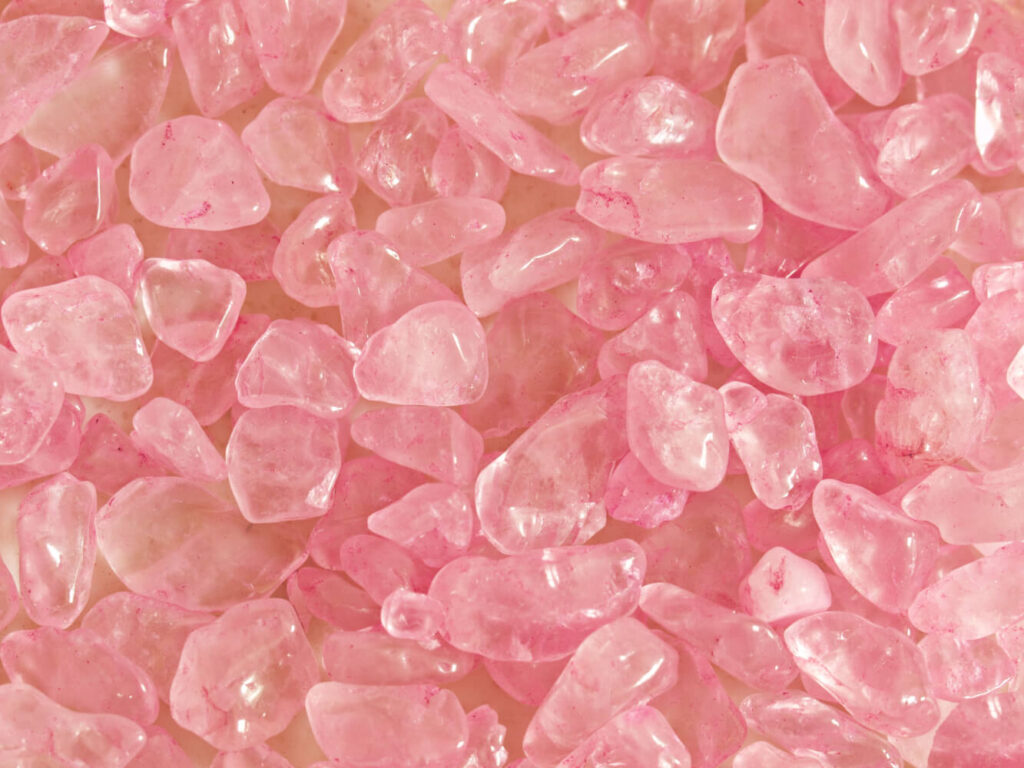
The color of genuine rose quartz ranges from pale pink to rose-red. This coloration should appear natural and somewhat consistent, though slight variations are normal. Artificial stones often have an overly perfect or unnaturally vibrant pink color.
Transparency is important too. Real rose quartz is typically translucent rather than fully transparent. This means light passes through but gets slightly diffused. Hold it up to a light source – you should see some light coming through but not clearly see objects on the other side.
Temperature can help identify authenticity. Real quartz feels cool to the touch initially and warms slowly. Plastic imitations warm up quickly when held in your hand.
Test for Inclusions
Genuine rose quartz often contains natural inclusions like rutile needles or tiny mineral deposits. These appear as small specks, lines, or cloudy areas within the stone.
Sometimes rose quartz contains dumortierite inclusions, which create interesting blue tints within the pink stone. These natural features are difficult to replicate in fake stones.
In rare cases, rose quartz may show asterism – a star-like effect when viewed under proper lighting. This phenomenon occurs due to specific inclusions oriented in particular directions.
You can examine inclusions with a magnifying glass or jeweler’s loupe. Look for natural-looking patterns rather than perfectly placed or unnaturally uniform inclusions. Real stones have randomly distributed internal features, while fakes often lack inclusions entirely or have artificial-looking ones.
Differences Between Genuine and Synthetic
Telling real rose quartz from synthetic alternatives involves looking at transparency, weight, and texture. The market offers several imitations that might look similar at first glance but have distinct characteristics.
Glass vs. Quartz
Glass imitations of rose quartz are common but easy to spot if you know what to look for. Real rose quartz has a milky, cloudy appearance with a soft pink color. It’s typically translucent but not fully transparent. Glass versions often look too clear or perfectly transparent.
When you hold glass up to light, you might spot tiny air bubbles inside – something that doesn’t occur in genuine rose quartz. Glass also feels warmer to the touch and doesn’t hold temperature like real stone.
Try the scratch test! Rose quartz ranks 7 on the Mohs hardness scale, while glass is around 5.5. This means real rose quartz can scratch glass, but glass can’t scratch rose quartz.
Glass also feels lighter than genuine rose quartz of the same size. If your piece feels unusually lightweight, it might be glass.
Lab-Created Varieties
Lab-created rose quartz isn’t necessarily “fake” – it’s just created in controlled environments rather than formed naturally. These synthetic versions have the same chemical composition (silicon dioxide) as natural rose quartz.
The main difference? Lab-created pieces often look too perfect. They typically have more consistent coloring and fewer inclusions or flaws than natural specimens.
Price is another clue. If a large, flawless rose quartz piece is surprisingly affordable, it’s likely lab-created. Natural pieces of significant size and quality command higher prices.
Lab-created varieties also sometimes show too-vivid coloring. Natural rose quartz has a subtle, delicate pink tone rather than an intense or bright pink hue.
Surface Coatings and Treatments
Some sellers enhance lower-quality quartz with surface treatments. These stones might have dye or pink coatings applied to clear quartz to mimic rose quartz’s appearance.
You can test for coatings by rubbing the stone with a cotton ball soaked in acetone (nail polish remover). If pink color transfers to the cotton, it’s been dyed.
Plastic imitations can also be spotted with a hot needle test. Heat a needle and touch it to an inconspicuous spot – plastic will melt and produce a burning smell, while real quartz won’t be affected.
Some rose quartz undergoes heat treatment to enhance its color. While not technically “fake,” these treated stones should be sold with disclosure about the enhancement.
Common Fakes and How to Spot Them
The rose quartz market is filled with many imitations that can trick even careful buyers. Knowing what to look for can save you money and disappointment when shopping for this popular pink crystal.
Imitations in the Market
Many fake rose quartz items are made from colored glass or plastic. These materials often have a too-perfect pink color that looks artificial compared to real rose quartz’s subtle color variations.
Look closely for air bubbles – perfect round bubbles are a clear sign of glass or plastic fakes. Real rose quartz never has perfectly round bubbles.
The temperature test is another simple way to check. Real rose quartz feels cool to touch and stays cool, while plastic warms up quickly in your hand.
Try the hot needle test for suspicious pieces. If you touch a heated needle to the stone (in an inconspicuous spot), plastic will melt and give off a chemical smell. Real quartz won’t be affected.
Jewelry from China
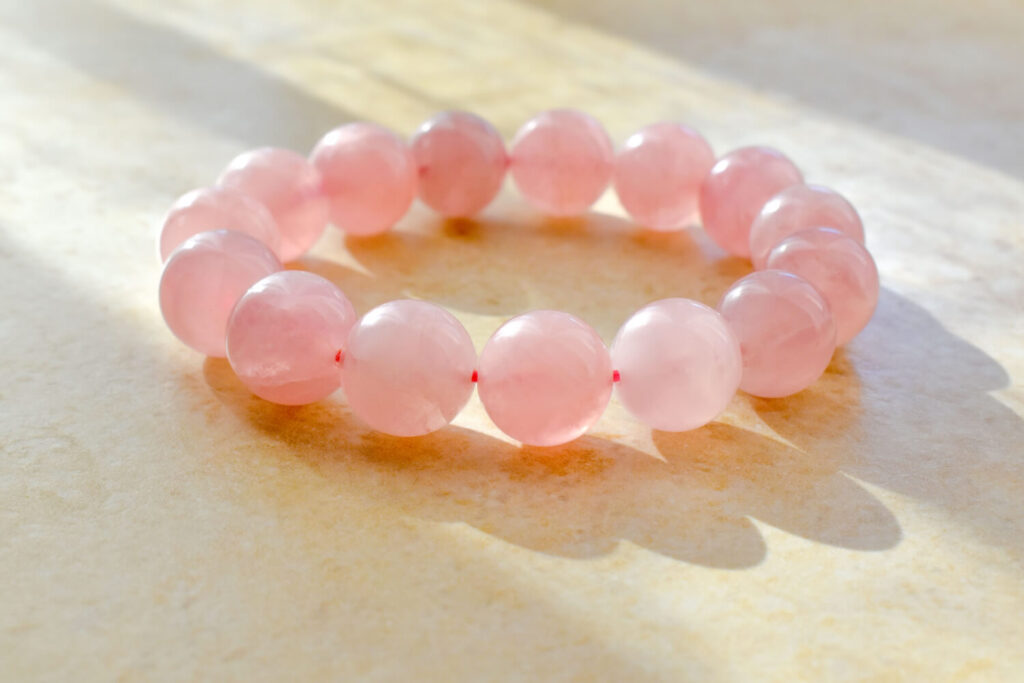
Many inexpensive rose quartz jewelry pieces from China are actually dyed or treated materials. These items often have an unnaturally bright or intense pink color.
The dye in fake pieces may transfer to your skin when you sweat or if the jewelry gets wet. Try rubbing the stone with a damp white cloth – any pink color transfer indicates dye.
Chinese markets sometimes sell reconstituted or pressed quartz powder as natural crystals. These pieces often have a grainy texture or unnatural patterns.
Extremely low prices are another warning sign. If a rose quartz bracelet or necklace seems too affordable compared to other crystal jewelry, it’s likely not authentic.
Quartz Simulants
Crystal clusters that look too perfect may be manufactured. Real rose quartz clusters have natural variations in color, clarity and crystal formation.
Some sellers offer “smelted quartz” – this term is misleading as natural quartz cannot be melted and reformed at home. These are synthetic products.
Check hardness by trying to scratch the surface with a steel knife. Rose quartz ranks 7 on the Mohs hardness scale and won’t scratch easily. If your piece scratches, it’s likely fake.
Light test your stone by shining a flashlight through it. Genuine rose quartz is usually translucent (lets some light through) but not completely transparent. Most quality pieces have a cloudy appearance.
The Healing Power of Rose Quartz
Rose quartz is often called the “love stone” because of its gentle energy that promotes healing and love. Many people use this beautiful pink crystal for emotional and physical wellbeing.
Therapeutic Benefits
Rose quartz is believed to heal emotional wounds and open the heart to love. Many crystal enthusiasts say it helps release stress, tension, and anger.
This gentle stone may help you:
- Soothe heartache and emotional pain
- Increase self-love and acceptance
- Restore trust after emotional trauma
- Promote peaceful sleep when placed near your bed
Some people find that holding rose quartz during meditation helps calm anxiety. The stone’s energy supposedly resonates with your heart chakra, creating feelings of peace and comfort.
Use in Crystal Healing
You can use rose quartz in many ways for healing. Wearing rose quartz jewelry keeps its loving energy close to your body all day.
Try these simple methods:
- Place a rose quartz stone on your chest during rest to ease heartache
- Keep a small tumbled stone in your pocket for stress relief
- Use it in a crystal grid with other stones for amplified healing
- Take a relaxing bath with rose quartz to absorb its calming energy
Many healing practitioners use rose quartz wands for gentle massage or energy work. They may place stones on specific body points to balance energy flow.
For best results, cleanse your rose quartz regularly by rinsing it in cool water or placing it in moonlight overnight.
Purchasing Genuine Rose Quartz
Finding authentic rose quartz can be tricky since there are many imitations on the market. Knowing where to shop and what to look for will help you avoid purchasing fake stones.
Choosing Reputable Retailers
Start by researching sellers before making a purchase. Established gem shops, crystal specialty stores, and certified mineral dealers are your best bet for finding genuine rose quartz. Look for retailers who provide certificates of authenticity or detailed information about their sourcing practices.
Be cautious with online marketplaces where verification is difficult. Check seller ratings and read customer reviews carefully. Reputable sellers will answer your questions about the origin and treatment of their rose quartz.
Warning signs of unreliable retailers:
- Prices that seem too good to be true
- No return policy
- Vague descriptions about the product
- No physical address or contact information
Mineral and gem shows can be excellent places to find authentic specimens, as you can examine the stone in person and speak directly with dealers.
Buying Tips for Rose Quartz Beads and Jewelry
When shopping for rose quartz beads or jewelry, examine the color carefully. Real rose quartz has a delicate, soft pink color that’s consistent throughout. If the color looks too vibrant or perfect, it might be dyed or fake.
Quick tests for authenticity:
- Feel the temperature – genuine rose quartz feels cool to touch
- Check for weight – real rose quartz is heavier than glass or plastic
- Look for tiny inclusions or cloudiness – perfect clarity often indicates glass
Be extra careful with inexpensive jewelry from China, as it may contain glass or plastic substitutes. Quality rose quartz jewelry should be moderately priced to reflect the value of real stones.
Ask about any treatments applied to the beads. Some genuine rose quartz may be heat-treated to enhance color, but this should be disclosed by the seller.
Professional Authentication
When you’re not sure about your rose quartz’s authenticity, professional testing offers peace of mind. Experts have specialized tools and knowledge that can verify your gemstone beyond home tests.
Gem Testing Laboratories
Gem testing labs use advanced equipment to examine rose quartz. These facilities have trained gemologists who check color, hardness, and optical properties with scientific precision.
You can find reputable labs through organizations like the Gemological Institute of America (GIA) or American Gem Society (AGS). These professionals use refractometers to measure how light passes through the stone—a key indicator of authenticity.
Testing usually costs between $50-150 depending on the lab and tests performed. While this might seem expensive, it’s worth it for valuable pieces or if you’re making a significant purchase.
Certification of Authenticity
A certificate of authenticity provides documented proof of your rose quartz’s genuineness. This official document describes the stone’s characteristics including weight, color, and quality.
When buying rose quartz jewelry or specimens, ask if it comes with certification from a respected laboratory. Legitimate certificates include details like:
- Exact measurements and weight
- Color grading
- Transparency assessment
- Any treatments applied
- Unique identification number
Keep this certificate with your rose quartz. It adds value to your stone and makes reselling easier if you ever choose to part with it. Many jewelers and collectors won’t purchase expensive pieces without proper documentation.