
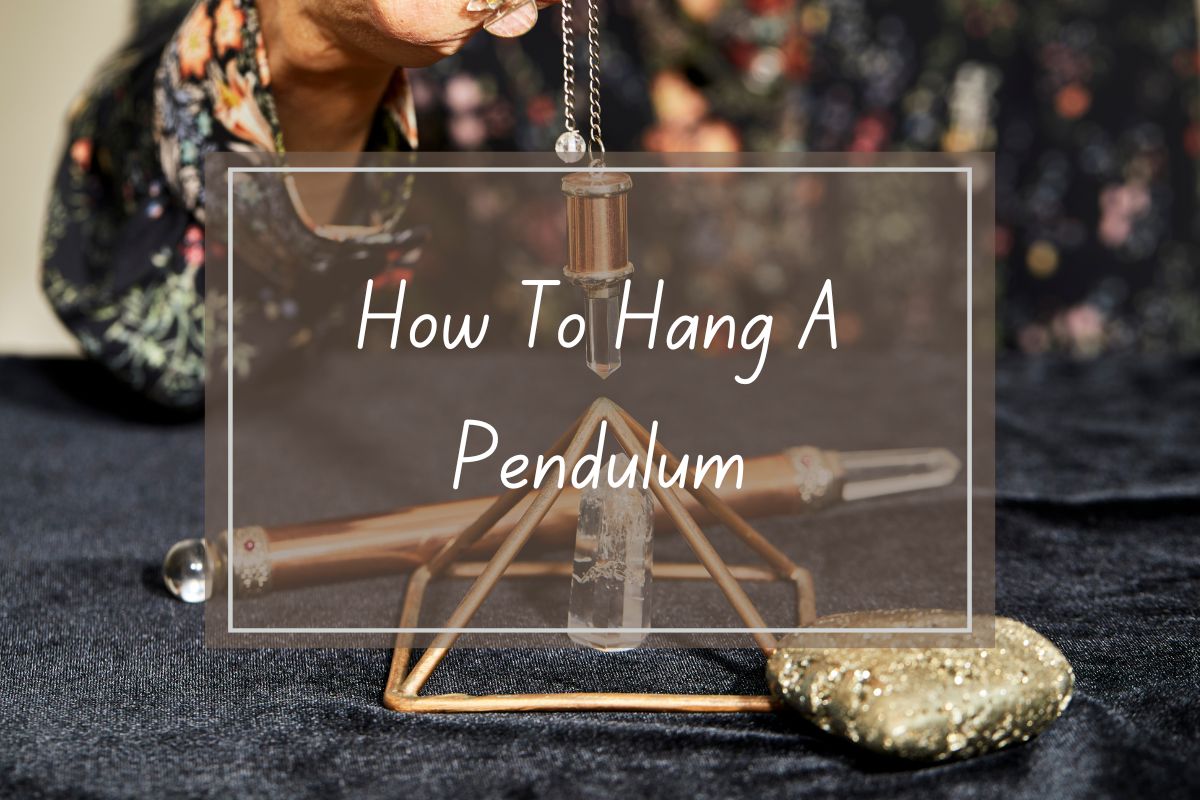
Hanging a pendulum on your clock can seem tricky, but it’s actually quite simple when you know the steps. You’ll be glad you learned this skill, as it allows you to enjoy the beautiful timekeeping of pendulum clocks.
To hang a pendulum, find the pendulum guide inside the clock case and carefully slip the pendulum through the front door. Place the pendulum hook over the pin or through the slot on the guide. Gently lower the pendulum until it hangs freely. Make sure to remove any protective film on the pendulum disc first.
This process works for many types of pendulum clocks, including grandfather clocks and wall clocks. With a bit of care, you’ll have your clock ticking away in no time. It’s a satisfying task that connects you to the long history of mechanical timekeeping.
Understanding Pendulum Hanging Basics
Hanging a pendulum correctly is key for accurate use. It needs to swing freely without obstacles. Good setup helps you get better results.
Types of Pendulums
Pendulums come in different shapes and materials. Crystal pendulums are popular for their beauty and energy. Metal pendulums like brass or copper are durable choices. Wood pendulums offer a natural feel.
Some pendulums are pointed for precise readings. Others are round or have unique shapes. The material and shape can affect how the pendulum moves.
You can also find pendulums with special features. Some have chambers to hold small objects. Others come with charts or mats for easier use.
Essential Tools for Hanging
To hang your pendulum, you’ll need a few basic tools. A sturdy support is most important. This can be a stand made for pendulums or a simple hook on a wall.
You’ll want string or a chain to hang the pendulum. Make sure it’s strong enough to hold the weight. A ruler or measuring tape helps you set the right length.
A level can ensure your setup is straight. This helps your pendulum swing properly. A quiet space free from drafts is also key for accurate readings.
Don’t forget a notebook to record your findings. And if you’re using charts, have those ready nearby.

Choosing the Right Location
Picking a good spot for your pendulum is key. You’ll want to think about how much room you have and what your walls are made of. These things affect how well your pendulum will work and look.
Space Considerations
Look for an open area with enough room for the pendulum to swing freely. Measure the length of your pendulum and add a few inches for safety. Make sure there’s nothing in the way that could bump into it.
Pick a spot where you can see the pendulum easily. A central location in a room often works well. You might hang it in a living room, bedroom, or study. Just be careful not to put it where people walk a lot. This helps avoid accidents.
Wall Composition
The type of wall matters when hanging a pendulum. Solid walls like those made of brick or concrete are best. They can hold more weight and stay stable.
For drywall, find a stud to attach your hook or bracket. This gives better support. If you can’t find a stud, use wall anchors made for the weight of your pendulum.
Avoid hanging pendulums on thin or weak walls. They might not hold up over time. Also, stay away from areas with lots of vibrations, like near doors or windows. These can make your pendulum move when you don’t want it to.
Mounting Hardware Selection
Picking the right hardware is key for hanging a pendulum securely. You’ll need to choose hooks and fasteners suited to your clock and wall type. Let’s look at some options to help you get started.
Hooks and Fasteners
For hanging pendulums, you’ll want sturdy hooks that can support the weight. Look for brass or steel hooks with a curved shape to cradle the pendulum rod. Some clocks come with a built-in “pendulum leader” – a small metal strap or wire hook. This connects to the clock movement and holds the top of the pendulum.
You can find specialized clock hanging kits at hardware stores. These often include hooks, screws, and other bits you might need. For heavier pendulums, consider using a screw-in hook for extra strength.
Don’t forget to check your clock’s instructions. They may suggest specific hardware that works best for that model.
Anchors for Different Wall Types
The type of wall affects which anchors you should use. For drywall, plastic wall anchors or toggle bolts work well. These spread out behind the wall to distribute the weight.
On brick or concrete walls, use masonry anchors. You’ll need to drill a pilot hole first. Then the anchor expands as you screw it in, gripping tightly.
For wooden walls or studs, long wood screws give a secure hold. Try to find a stud to screw into when possible.
Always check the weight of your clock and pendulum. Make sure the anchors you choose can handle the load. It’s better to go a bit stronger than you think you need.
Step-by-Step Hanging Instructions
Hanging a pendulum clock takes some care and precision. Follow these steps to mount your clock safely and securely on the wall.
Marking the Wall
Find the perfect spot for your clock. Use a level to draw a straight line where you want the top of the clock to sit. Mark the exact center point on this line.
Measure down from the center mark to where the mount will go. This distance depends on your clock’s size. Check the manual if you’re not sure.
Make a new mark at this lower spot. This is where you’ll drill.
Drilling and Inserting Anchors
Pick the right drill bit for your wall type. For drywall, use a bit slightly smaller than your anchor.
Drill a hole at the marked spot. Go slow and steady.
Push the wall anchor into the hole. Tap it gently with a hammer if needed. It should fit snugly.
For brick or concrete walls, you may need special masonry anchors. Ask at a hardware store if you’re not sure.
Securing the Mount
Line up the clock mount with the anchor hole. Make sure it’s level.
Insert the screw through the mount and into the anchor. Tighten it with a screwdriver. Don’t over-tighten or you might damage the wall.
Gently tug on the mount to check it’s secure. If it feels loose, you may need a bigger anchor or to find a stud.
Hang your clock on the mount. Be careful – some clocks are heavy. You might need a friend to help.
Adjust the pendulum according to your clock’s instructions. Make sure it swings freely without hitting the sides.
Safety Precautions and Tips
Hanging a pendulum safely requires careful handling and attention to detail. Taking the right steps can prevent accidents and ensure your pendulum works properly.
Handling Tools Safely
When hanging a pendulum, you’ll need some basic tools. Use caution with scissors, as they can easily cut skin. Wear safety glasses to protect your eyes from debris. Keep your work area tidy to avoid tripping hazards.
If you’re using a drill, make sure it’s unplugged when changing bits. Wear work gloves to guard against splinters or sharp edges. Don’t rush – take your time to use each tool correctly.
Keep kids and pets away from your work space. Put tools away promptly after use. Clean up any mess right away to prevent accidents.
Testing the Stability
Before letting your pendulum swing freely, check that it’s secure. Give the mounting point a gentle tug to ensure it can hold the weight. Start with small, controlled swings to test stability.
Watch for any wobbling or looseness as the pendulum moves. If you notice issues, stop and fix them before continuing. Make sure the pendulum can swing without hitting walls or objects.
Test different swing arcs to check clearance. Listen for any odd noises that might signal a problem. If anything seems off, double-check your work before using the pendulum regularly.
Maintenance of a Hung Pendulum
Taking care of your pendulum clock keeps it running smoothly and looking great. Regular upkeep prevents issues and extends the life of your timepiece.
Regular Cleaning
Clean your pendulum clock every few months to keep it in top shape. Use a soft, lint-free cloth to gently wipe dust off the pendulum bob and rod. Be careful not to bend the rod or change its position.
For stubborn dirt, slightly dampen the cloth with water. Don’t use harsh cleaners or oils, as they can damage the clock’s finish. Pay extra attention to the suspension spring area, where dust often builds up.
Clean the clock case too. Use furniture polish on wooden cases, but avoid getting any on the clock’s inner workings. For metal cases, a dry cloth is usually enough.
Periodic Inspections
Check your pendulum clock every 6-12 months for potential problems. Look at the suspension spring for signs of wear or damage. If it looks frayed or bent, it may need replacement.
Make sure the pendulum hangs straight and swings freely. If it’s off-center or wobbles, adjust its position carefully. Check that the bob is securely attached to the rod.
Inspect the clock’s weights if it has them. Ensure they hang freely and aren’t tangled. Listen to the clock’s tick. It should be even and steady. If it sounds off, your clock might need professional service.
Look for any loose or missing parts inside the clock. Don’t try to fix internal issues yourself – leave that to a clock repair expert.
Troubleshooting Common Issues
Hanging a pendulum can sometimes lead to unexpected problems. Here are some tips to fix the most frequent issues you might face.
Pendulum Swinging Irregularly
If your pendulum isn’t swinging smoothly, check its placement first. Make sure it’s hanging straight and not touching any nearby objects. Clean the pendulum and its hook to remove any dust or dirt that might affect its movement.
Try adjusting the length of the chain or string. A pendulum that’s too long may swing too slowly, while a short one might move too fast. Find the right length for steady swings.
Check the weight at the bottom of the pendulum. If it’s loose, tighten it. A wobbly weight can cause uneven swings.
Lastly, look at the surface where you’ve hung the pendulum. It should be flat and stable. Uneven surfaces can throw off the pendulum’s rhythm.
Wall Damage Repair
Sometimes, hanging a pendulum can damage your wall. If you see small holes, fill them with spackling paste. Use a putty knife to apply the paste smoothly.
For larger holes, you might need drywall patches. Cut the patch to fit the hole and secure it with joint compound.
After the repairs dry, sand the area gently. This will make the surface smooth and ready for paint.
To prevent future damage, use wall anchors when hanging your pendulum. These spread the weight and reduce stress on the wall.
Consider using a stud finder to locate the strongest parts of your wall for hanging. This can help avoid weak spots that are prone to damage.

Creative Display Ideas
Hanging your pendulum can be fun and eye-catching. Try these ideas to showcase your pendulum in style.
Decorative Themes
Pick a theme that matches your home decor. For a nature-inspired look, use a twisted branch or driftwood as the base. Hang crystals or feathers alongside the pendulum.
Go for an industrial vibe with copper pipes and metal fittings. This fits well in modern spaces. You can even make a stand from an old Pringle can and copper pipe for a quirky touch.
For a bohemian feel, weave macramé around the pendulum holder. Add colorful beads or tassels for extra flair.
A minimalist approach works too. Try a simple wooden stand or sleek glass holder to let the pendulum shine.
Lighting and Visibility
Good lighting makes your pendulum display pop. Place a small LED light underneath to create a soft glow. This works great for crystal pendulums.
Hang your pendulum near a window to catch natural light. The sun’s rays will make it sparkle and dance.
Use a floating shelf with built-in lights to show off your pendulum collection. This gives each piece its own spotlight.
For a cozy vibe, surround your pendulum with fairy lights or candles. Just be careful with open flames near hanging objects.
A glass cloche or clear display case can protect your pendulum while keeping it visible. This is perfect for delicate or valuable pieces.