
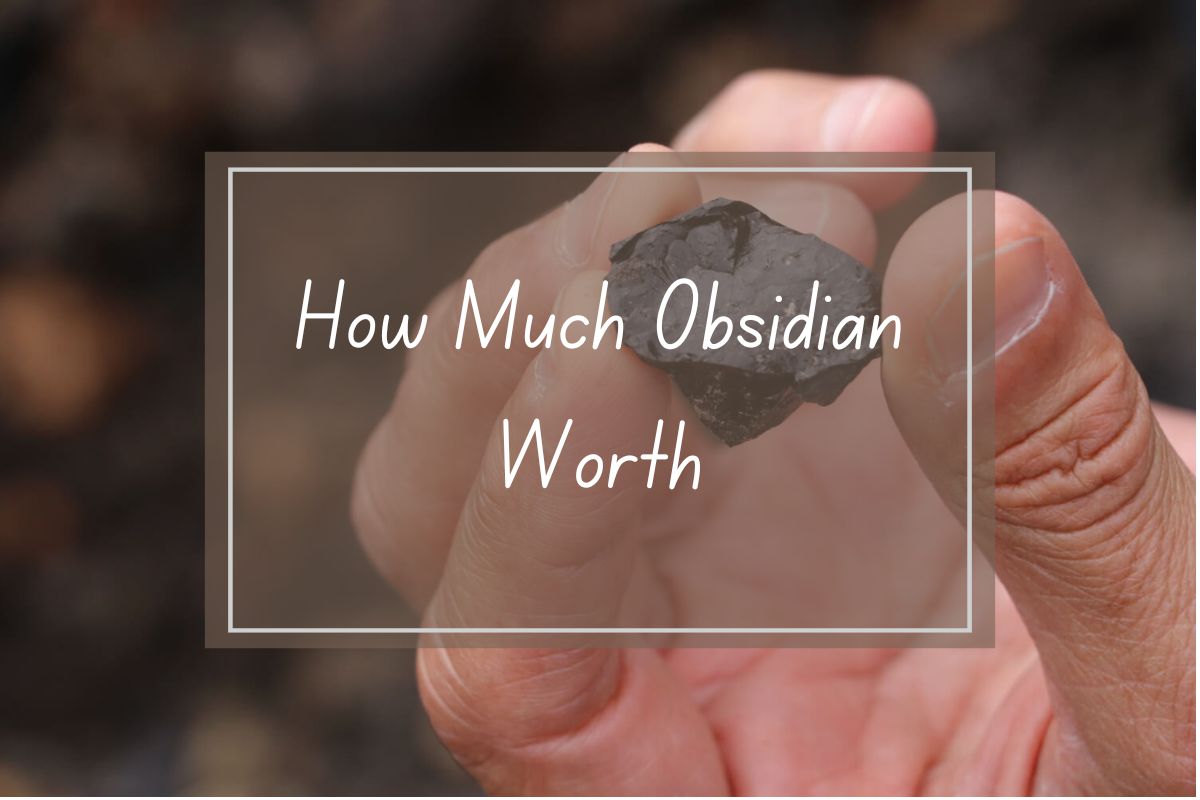
Looking for the value of that shiny black rock you found? Obsidian, a natural volcanic glass, has captivated people for thousands of years with its smooth, glossy surface and deep black color.
Raw obsidian typically costs between $1 to $5 per gram, with specialty varieties like rainbow obsidian selling for $20 to $50 per piece. The price depends on factors like the type, size, and quality of the stone.
The rarest and most valuable form is fire obsidian, which displays brilliant flashes of color and can sell for up to $100 per kilo. Your piece might be worth more if it’s carved into jewelry or shaped into arrowheads, which are popular among collectors and crystal enthusiasts.
Characteristics of Obsidian
Obsidian stands out among rocks for its unique glass-like qualities and distinct fracture patterns. It comes in many eye-catching colors and varieties, with special properties that make it perfect for tools and decorative pieces.
Color and Variety
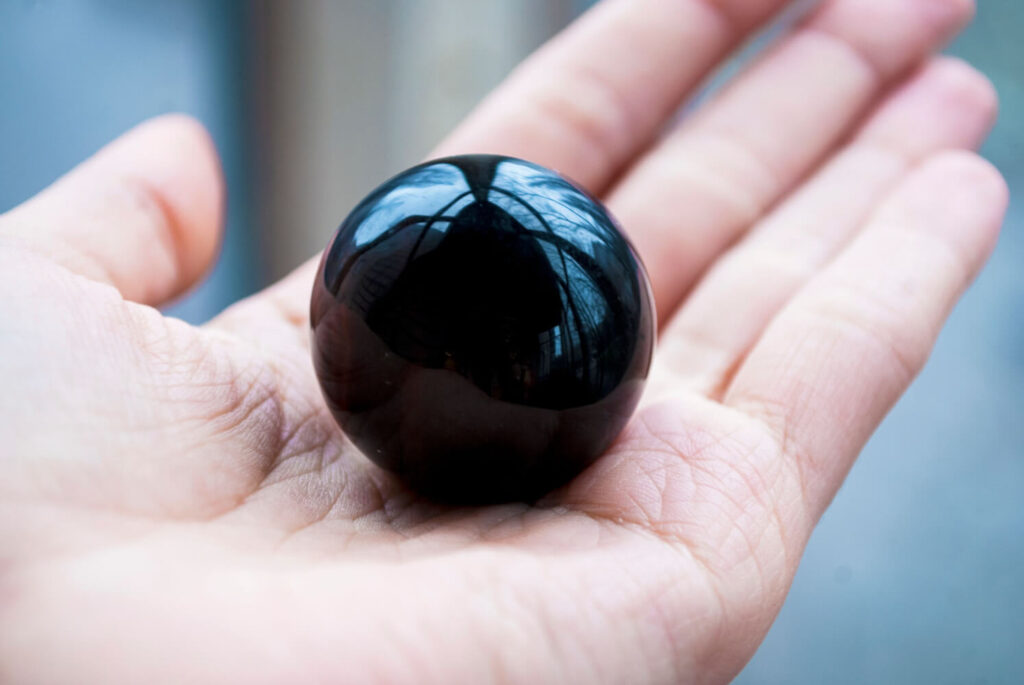
You’ll find obsidian in several beautiful forms. The most common is black obsidian, which looks like dark glass with a mirror-like shine.
Rainbow obsidian displays bands of color that shimmer when you move it around in the light. These colors can include blue, purple, and gold.
Snowflake obsidian has white patches that look like tiny snowflakes against its dark background. These patches are caused by tiny crystal formations.
Mahogany obsidian shows rich brown and reddish streaks, while fire obsidian sparkles with bright orange and red flashes.
Clarity and Texture
When you hold obsidian up to the light, you’ll notice it’s completely transparent on thin edges. This natural glass forms when volcanic lava cools very quickly.
The surface feels smooth and glassy to the touch. High-quality pieces have no bubbles or rough spots.
Some pieces might have small crystal inclusions that create interesting patterns. These don’t reduce the value – they often make the stone more special.
Conchoidal Fracture and Hardness
Obsidian breaks in a special way called conchoidal fracture, creating curved surfaces that look like shells. This made it perfect for ancient tools.
Your obsidian pieces rate 5.5 on the Mohs hardness scale. This means they can scratch glass but are softer than quartz.
Be careful when handling obsidian – it can break if dropped. The edges can be extremely sharp, which is why ancient peoples used it to make arrowheads.
The clean breaks and sharp edges make obsidian excellent for crafting jewelry and decorative items.

Types and Forms of Obsidian
Obsidian comes in many beautiful varieties like black, rainbow, snowflake, and mahogany. Each type offers unique patterns and colors that make them perfect for different decorative and practical uses.
Tumbled Stones and Cabochons
Tumbled obsidian stones have smooth, polished surfaces that show off their natural shine. You can find them in sizes ranging from tiny pebbles to palm-sized pieces.
Black obsidian tumbled stones are the most common and affordable, typically costing $2-5 per stone. Rainbow and gold sheen varieties cost more, around $5-15 each.
Cabochons are flat-bottomed, domed stones perfect for jewelry settings. High-quality obsidian cabochons display clear, unblemished surfaces with vivid colors or patterns.
Snowflake obsidian cabochons featuring white crystal patterns can range from $10-30 depending on size and quality.
Obsidian Beads and Jewelry
Obsidian beads come in many shapes – round, oval, tube, and faceted styles. Small beads often sell for $0.50-2 each, while larger decorative beads can cost $5-15.
You’ll find obsidian used in necklaces, bracelets, pendants and rings. The stone’s natural shine makes stunning jewelry pieces.
Black obsidian jewelry tends to be the most affordable. A simple obsidian pendant might cost $15-30, while elaborate necklaces can range from $50-200+.
Raw Obsidian and Sculptures
Raw obsidian chunks and specimens start at just a few dollars per pound for basic black varieties. Rare colors and patterns can fetch $10-50 per pound.
Artists carve obsidian into figurines, bowls, and decorative pieces. The glass-like quality allows for intricate detail work.
Small carvings typically range from $20-100. Large sculptures or museum-quality pieces can sell for hundreds or thousands depending on the artist and complexity.
Pure black obsidian is ideal for carving because it breaks predictably and takes a high polish. Apache tears and mahogany obsidian are also popular for smaller carved items.
Determining Obsidian’s Value
The price of obsidian varies based on several key qualities that make each piece unique. Different factors affect the market value, from natural characteristics to human crafting skills.
Rarity and Availability
Common black obsidian is found in many volcanic regions worldwide, making it relatively affordable at around $5 per kilogram in raw form.
Rainbow obsidian and snowflake obsidian are much harder to find, which drives up their value. These special varieties can cost 3-5 times more than basic black obsidian.
Your location also affects pricing. Obsidian from famous sources like Glass Buttes, Oregon or Mexico’s Sierra Madre mountains often commands premium prices.
Size and Weight
Raw obsidian pieces typically sell by weight rather than individual units. Here’s a quick price guide for common black obsidian:
- Per gram: $0.005
- Per ounce: $0.14
- Per pound: $2.27
- Per kilogram: $5.00
Larger single pieces in good condition are worth more than the same weight broken into smaller chunks.
Natural chunks weighing over 5 pounds with minimal flaws can fetch premium prices from collectors.
Craftsmanship and Inclusions
The skill level used to shape and polish obsidian greatly impacts its value. Well-made jewelry pieces can sell for $20-100 depending on size and design quality.
Natural patterns like bands, streaks, or snowflake crystals make pieces more valuable. Clear sections without bubbles or imperfections are prized for knapping into arrowheads or blades.
Ancient artifacts made from obsidian, like Aztec mirrors or ceremonial blades, can be worth hundreds or thousands of dollars to collectors.
Your piece’s polish quality matters too. A high mirror shine takes considerable skill and adds significant value to finished items.
Obsidian in Jewelry and Art
Obsidian’s dark, glass-like beauty makes it a stunning material for both jewelry and artistic pieces. Its smooth surface and dramatic appearance create eye-catching designs that reflect light in unique ways.
Designing with Obsidian
You’ll find obsidian used in many types of jewelry, from simple pendants to elaborate necklaces. The stone’s natural shine works perfectly in rings and earrings, often paired with silver or gold settings.
Raw obsidian needs careful cutting and polishing by skilled lapidaries to bring out its best features. The most popular types for jewelry include:
- Snowflake obsidian: White crystal patterns on black
- Fire obsidian: Shimmering rainbow effects
- Gold sheen: Metallic golden reflections
When shopping for obsidian jewelry, look for smooth, well-polished surfaces without chips or cracks. Good quality pieces typically range from $20 to $100.
Cultural Significance of Obsidian Art
Native American artists have worked with obsidian for thousands of years, creating sacred objects and ceremonial pieces. The stone holds special meaning in many cultures as a symbol of protection and truth.
Modern artists carve obsidian into decorative bowls, figurines, and wall art. The stone’s natural glass-like properties let artists create incredibly detailed pieces.
Your obsidian artwork needs gentle handling and regular dusting to maintain its shine. Display pieces away from direct sunlight to prevent fading or damage.
Many museums showcase ancient obsidian artifacts alongside contemporary art pieces. These displays help connect modern crafts to historical traditions.
Spiritual and Healing Properties
Many people value obsidian for its strong protective qualities and ability to help clear negative energy. Ancient cultures have used this black volcanic glass in rituals and healing practices for thousands of years.
Metaphysical Significance
Obsidian acts like a shield against negative energies and emotional harm. You can place it in your home or wear it as jewelry to create a protective barrier around you.
The stone connects deeply with the root chakra, helping you feel more grounded and stable in difficult times. When you meditate with obsidian, it can help release emotional blocks and past traumas.
Many crystal healers believe obsidian’s energy can help you see through illusions and face difficult truths about yourself. This makes it valuable for personal growth work.
Obsidian in Spiritual Practices
You can use obsidian in several ways during spiritual practices:
- Place it on your altar for protection during rituals
- Hold it during meditation to enhance clarity
- Wear it as jewelry for continuous energetic cleansing
- Use it in smudging ceremonies to clear spaces
Crystal healers often recommend obsidian for emotional healing work. The stone helps you identify and release negative thought patterns.
Some practitioners call obsidian a “psychic vacuum cleaner” because it absorbs and transforms negative energy. You can place it near your bed to help prevent nightmares or by your front door to keep unwanted energies out.
Market Factors Influencing Price
The price of obsidian changes based on market conditions and buyer interest. Several key elements affect what you’ll pay for this volcanic glass, from growing jewelry trends to basic supply levels.
Demand and Trends
Crystal healing and metaphysical jewelry have created new interest in obsidian, especially for rare types like rainbow and transparent varieties. This growing popularity has pushed prices higher in recent years.
The metaphysical community’s focus on obsidian’s protective properties has made certain pieces more valuable. You’ll find higher prices for special varieties used in meditation and healing practices.
Supply levels from different regions can make prices go up or down. When a specific source produces less obsidian, the price often rises.
Price Per Gram and Comparative Value
Raw black obsidian typically costs around $0.005 per gram or $5 per kilogram. This makes it one of the more affordable natural stones you can buy.
Specialty types command higher prices than basic black obsidian. Rainbow, snowflake, and other unique patterns can sell for 2-3 times more than plain varieties.
Quality plays a big role in what you’ll pay. Clear pieces with few bubbles or inclusions cost more than those with imperfections.
Your location affects the final price too. Stores near obsidian sources often charge less than those that need to import it from far away.
Obsidian Sourcing and Origin
The source location of obsidian plays a big role in its value and quality. Where your obsidian comes from can make it worth more or less money.
Geographical Locations
Obsidian forms near volcanic areas around the world. You’ll find high-quality obsidian deposits in places like Mexico, Japan, Iceland, and parts of the United States.
The Glass Buttes area in Oregon produces beautiful black and rainbow obsidian that many collectors seek out.
Turkey’s Anatolia region offers some of the most historically significant obsidian deposits, used since ancient times.
New Zealand’s North Island provides unique greenish obsidian that local Māori people have valued for generations.
Provenance and Its Impact on Value
Your obsidian’s value increases when you can prove where it came from. Having documentation about your stone’s source makes it more valuable to collectors.
Obsidian from famous quarries like Rainbow Ridge in Oregon or Lipari in Italy often sells for higher prices than pieces with unknown origins.
Stones from remote or hard-to-reach locations are worth more because they’re harder to get. This includes obsidian from isolated volcanic islands.
If your obsidian comes from a historically important site, like those used by ancient civilizations, it might be worth 2-3 times more than similar pieces from common locations.
Obsidian for Tool Making
Obsidian’s sharp edges and durability make it perfect for crafting tools. You can find this natural glass used in both ancient tools and modern cutting implements.
Historical Uses
People have worked with obsidian to make tools for over 12,000 years. You might be amazed to learn that obsidian blades can be sharper than modern surgical steel.
Ancient craftspeople used obsidian to create essential tools like arrowheads, scrapers, and cutting blades. You can still find these artifacts at archaeological sites worldwide.
The Maya civilization valued obsidian highly, using it to make weapons and everyday tools. They created extensive trade networks just to get access to this valuable stone.
Modern Applications
You can still find obsidian in use today, especially in specialized cutting tools. Some surgeons prefer obsidian scalpels because they create cleaner, more precise cuts than metal blades.
Modern uses include:
- Experimental surgical tools
- Decorative knives
- Scientific research equipment
- Specialized cutting implements
The jet-black stone remains popular with artisans who create custom tools and blades. You’ll find many craftspeople still use traditional methods to shape obsidian.
Modern tool makers must be extra careful when working with obsidian. Its edges are incredibly sharp and can cut through materials with remarkable precision.
How to Identify Authentic Obsidian
Real obsidian has distinct traits that make it stand out from fake versions. You can spot genuine obsidian through simple tests and by learning what fake stones look like.
Tests and Techniques
Check the edges of your stone first. Real obsidian breaks with curved, shell-like patterns that create very sharp edges.
Hold the stone up to light. Authentic obsidian shows some translucency, especially at thin edges. The color should be deep and rich, not dull or plastic-like.
Try the scratch test with care. Genuine obsidian has a hardness of 5-6 on the Mohs scale. It can scratch glass but won’t scratch quartz.
Drop a small amount of water on the surface. Real obsidian feels cool to touch and stays cool longer than glass or plastic imitations.
Common Imitations
Glass is the most common fake obsidian. You can spot glass by its uniform color and lack of natural imperfections.
Plastic imitations feel warm to touch and are much lighter than real obsidian. They often have tiny air bubbles inside.
Man-made glass often has rounded edges and won’t show the sharp, natural breaks of real obsidian.
Watch out for dyed stones. Real obsidian gets its color naturally and won’t show any artificial coloring when examined closely with a magnifying glass.
Maintaining and Caring for Obsidian
Your obsidian needs gentle care to keep its beautiful shine and prevent damage. Store it separately from other stones in a soft cloth pouch or lined jewelry box to avoid scratches.
Clean your obsidian using warm water and mild soap. Use a soft microfiber cloth to gently wipe the surface. Never use harsh chemicals or ultrasonic cleaners, as these can harm the stone.
Important Care Tips:
- Keep away from extreme temperatures
- Avoid dropping or bumping the stone
- Remove jewelry before physical activities
- Keep away from direct sunlight for long periods
When wearing obsidian jewelry, put it on last after applying makeup, perfume, or hairspray. Take it off first when getting ready for bed or washing up.
Be extra careful with decorative obsidian items. Place them on stable surfaces away from edges and handle them with clean, dry hands. Dust them regularly with a soft brush or cloth.
If your obsidian gets scratched or damaged, take it to a professional gemstone expert for repair. Home repair attempts might cause more harm than good.