
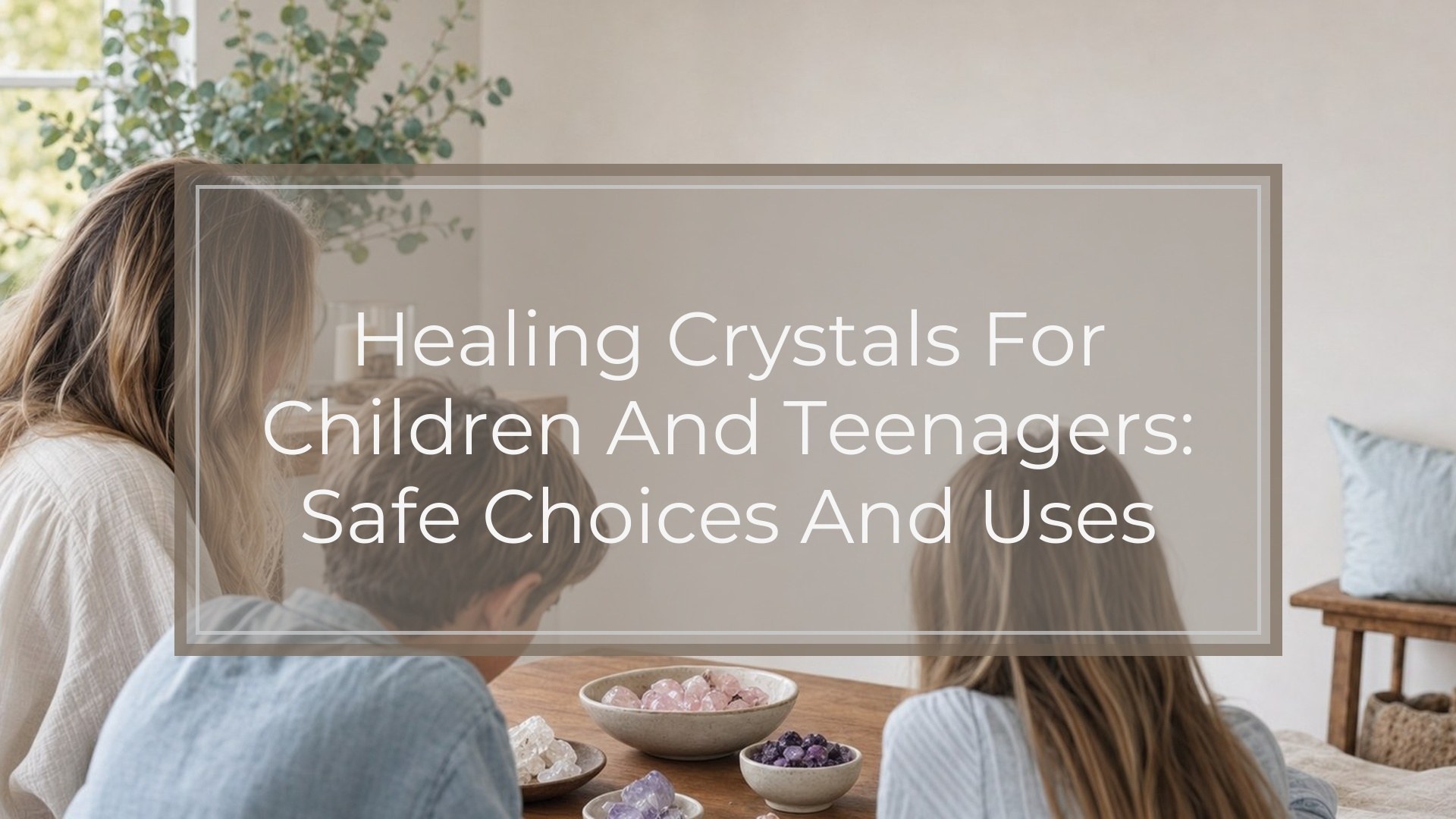
Healing crystals for children and teenagers are best approached as gentle spiritual and mindfulness tools. They can help young people create calming routines, name their intentions, feel more grounded, or connect with a meaningful object during stressful moments. They should not be treated as medical, mental health, or behavioral cures.
For younger children, choose smooth, larger stones and keep use supervised. For teenagers, crystals can support journaling, meditation, study routines, confidence, and emotional reflection. Good beginner choices include amethyst, rose quartz, clear quartz, black tourmaline, smoky quartz, carnelian, and fluorite. The safest approach is simple: choose one or two stones, explain their meaning in age-appropriate language, and use them with respect, consent, and common sense.
What to Know Before Giving Crystals to Children or Teenagers
Crystals are often used as symbolic, energetic, or mindfulness supports. For a child, a crystal might become a “calm stone” they hold during bedtime. For a teenager, it might be a reminder to breathe before a test or stay grounded during emotional ups and downs.
The most helpful mental model is this: crystals work best as anchors for intention. They give young people something physical to connect with while practicing calm, focus, courage, or self-kindness.
They are not substitutes for medical care, therapy, sleep, nutrition, or trusted adult support. If a child or teenager is struggling with anxiety, depression, illness, or major stress, crystals can be a comforting addition, but professional care should come first.
How to Choose Age-appropriate Healing Crystals
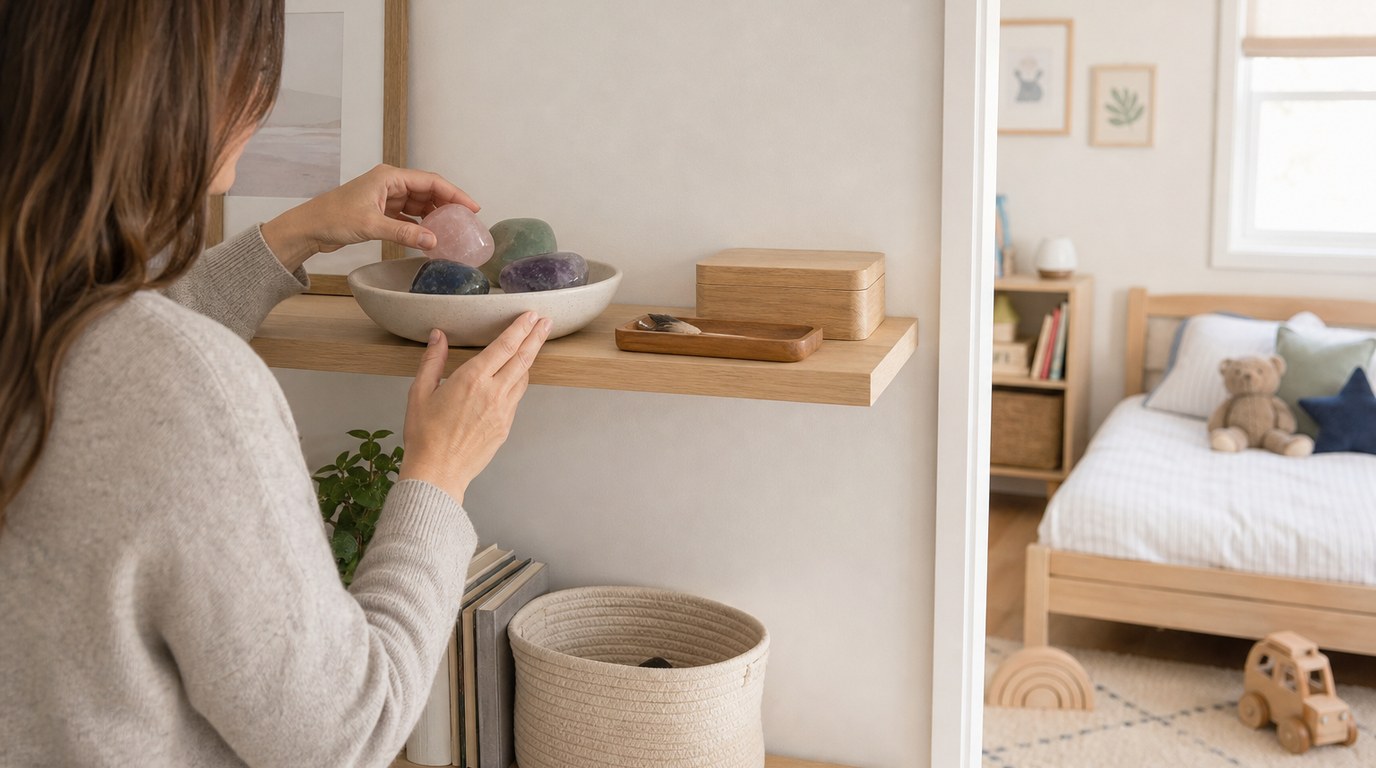
When choosing healing crystals for children and teenagers, start with safety and simplicity. For young children, avoid tiny tumbled stones that could be choking hazards. Choose larger, smooth, durable stones and keep them out of mouths, bathwater, and unsupervised play.
For children, pick crystals with gentle meanings: calm, comfort, courage, sleep, kindness, or protection. Rose quartz, amethyst, and clear quartz are popular beginner options because their meanings are easy to explain.
Teenagers can usually handle more personal choice. Let them pick by color, feel, or intention. A teen who wants focus may like fluorite, while one working on confidence may prefer carnelian. Avoid forcing a crystal on a child or teen. The best choice is one they feel curious about and comfortable using.
Best Healing Crystals for Children and Teenagers
The best crystals for youth are usually gentle, easy to understand, and practical for daily routines. Start with a small number rather than a large collection.
Amethyst is commonly used for calm, bedtime, and emotional balance. It is a good choice for a child’s nighttime shelf or a teen’s relaxation corner.
Rose quartz is associated with love, kindness, and emotional comfort. It can support self-compassion, sibling harmony intentions, or gentle family rituals.
Clear quartz is often called an all-purpose crystal. For children, it can represent clarity and positive thoughts. For teens, it can be used to set study or personal goals.
Black tourmaline and smoky quartz are popular grounding stones. They are often chosen for children who feel overstimulated or teens who want a steadying object during stressful days.
Fluorite is commonly linked with focus and organization, making it a favorite for school desks and homework routines.
Carnelian is associated with courage, motivation, and creativity. It may appeal to teenagers building confidence or children preparing for a performance, game, or presentation.
| Crystal | Common Youth Intention | Simple Use |
|---|---|---|
| Amethyst | Calm and bedtime | Place on a nightstand |
| Rose quartz | Comfort and kindness | Hold during family quiet time |
| Clear quartz | Clarity and intention | Use while naming a goal |
| Fluorite | Focus and study | Keep on a homework desk |
| Smoky quartz | Grounding | Hold during deep breathing |
| Carnelian | Confidence | Carry before a presentation |
Gentle Crystal Uses for Younger Children
For younger children, crystal use should be simple, short, and supervised. A good routine is to let the child choose one “feeling word,” such as calm, brave, kind, or safe, then hold the crystal while taking three slow breaths.
Crystals can also be part of bedtime. A child might place amethyst or rose quartz on a dresser and say, “I am safe, loved, and ready to rest.” Avoid putting stones in a young child’s bed if there is any risk of choking, tossing, or discomfort.
Another gentle practice is a family gratitude circle. Each person holds a smooth stone and names one good thing from the day.
Crystal Practices for Teenagers
Teenagers often prefer crystal practices that feel personal rather than childish. Give them space to create their own routines. A teen might keep fluorite near study notes, carry smoky quartz in a backpack, or use rose quartz during journaling about self-worth and relationships.
For school stress, a short practice can help: hold a grounding stone, breathe in for four counts, breathe out for six, and silently repeat an intention such as “I can take this one step at a time.”
Crystals can also support identity and creativity. Carnelian may be used before auditions, sports, or art projects. Clear quartz can accompany goal-setting, vision boards, or monthly reflection. The key is to let the crystal become a reminder of the teen’s own agency, not a pressure to feel perfect.
How to Cleanse, Charge, and Set Intentions Safely
Cleansing and charging crystals can be kept very simple for children and teenagers. Safe options include placing stones near a window for moonlight, resting them on a clean cloth, using sound from a bell or singing bowl, or simply pausing to reset the intention.
Avoid unsafe methods, especially with children. Do not put unknown crystals in drinking water. Some stones can dissolve, rust, or release unwanted minerals. Also be careful with sunlight, because some crystals, such as amethyst, may fade over time.
To set an intention, hold the crystal and say one clear phrase: “This stone reminds me to stay calm,” or “This crystal helps me remember I am brave.” The power of the practice comes from repetition, meaning, and mindful attention.
Safety, Boundaries, and Emotional Well-being
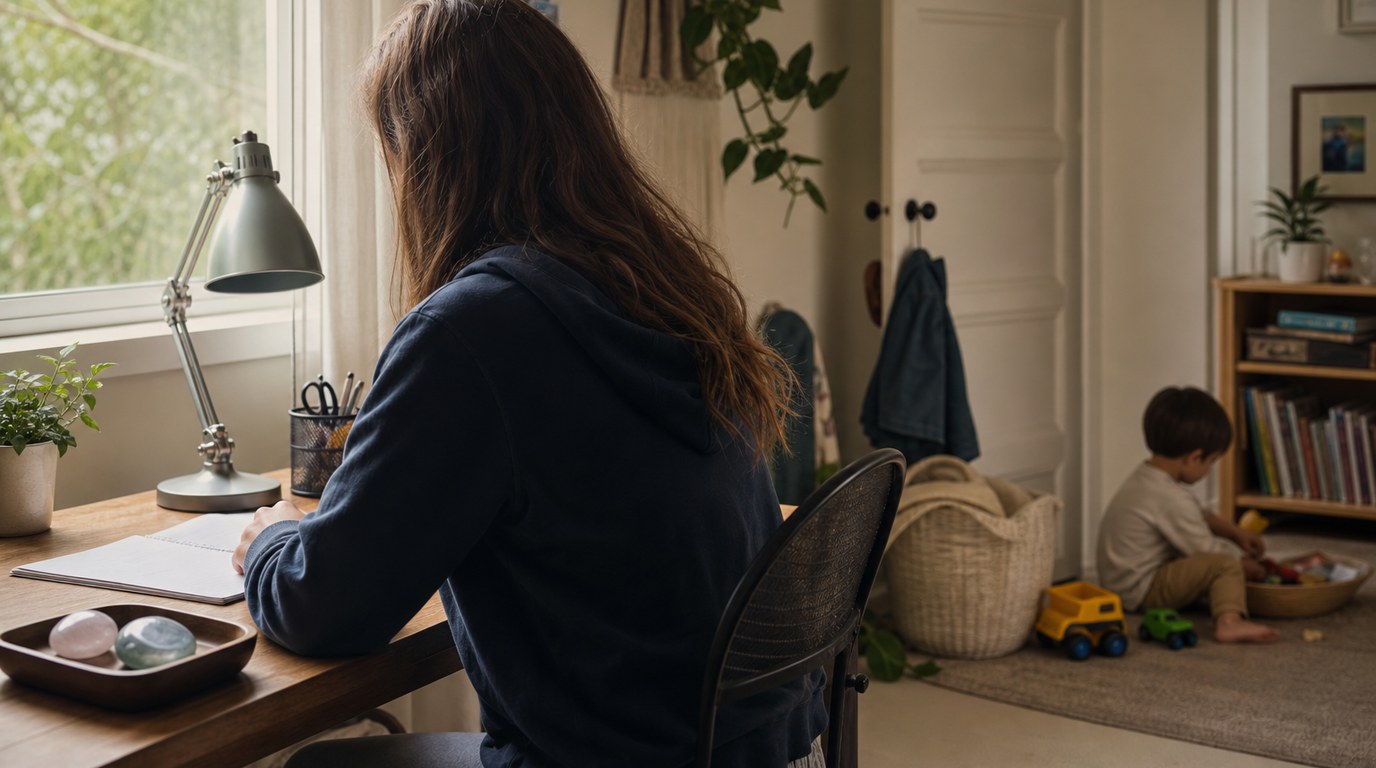
Safety matters more than having the “perfect” crystal. Keep small stones away from toddlers and children who mouth objects. Avoid sharp points for young kids. Do not use crystals as punishment, control, or a way to dismiss emotions.
Respect boundaries, too. A teenager may not want siblings touching their stones. A child may lose interest after a week. That is okay. Crystal use should feel supportive, not forced.
Most importantly, do not rely on crystals for serious emotional or physical concerns. If a child or teenager is experiencing ongoing fear, sadness, panic, sleep disruption, self-harm thoughts, or health symptoms, involve a qualified professional and trusted caregivers.
Simple Starter Crystal Sets by Need
If you feel overwhelmed, choose a tiny starter set based on the young person’s main need.
For bedtime comfort, try amethyst and rose quartz. Keep them on a shelf or nightstand and pair them with a calming phrase.
For school focus, choose fluorite and clear quartz. Use them during homework, planning, or goal-setting.
For confidence, try carnelian and clear quartz. These work well before presentations, performances, or new experiences.
For grounding and big emotions, choose smoky quartz or black tourmaline with rose quartz. Pair them with breathing, journaling, or a quiet check-in with a trusted adult.
FAQ
What Is the Best First Crystal for a Child?
Rose quartz is often the best first crystal for a child because its meaning is simple: love, comfort, and kindness. Amethyst is another good choice for calm and bedtime. Choose a smooth, larger stone and supervise use, especially with younger children.
Are Healing Crystals Safe for Children?
Healing crystals can be safe when chosen carefully and used with supervision. Avoid small stones for young children, sharp pieces, and crystals in water. Teach children not to put stones in their mouths. Crystals should be supportive objects, not replacements for medical or emotional care.
Which Crystals Are Good for Teenagers with School Stress?
Fluorite, clear quartz, amethyst, and smoky quartz are common choices for school stress. Fluorite is linked with focus, clear quartz with intention, amethyst with calm, and smoky quartz with grounding. Pair them with realistic study habits, breaks, breathing, and adult support when needed.
Can Children Sleep with Crystals Under Their Pillow?
Older children may sleep with a smooth crystal under a pillow if it is comfortable and safe, but it is usually better to place crystals on a nightstand or shelf. For younger children, avoid loose stones in bed because of choking, tossing, or sleep disruption risks.
How Many Crystals Should a Teenager Start with?
A teenager can start with one to three crystals. Too many stones can feel confusing or become clutter. A simple set might include one for calm, one for focus, and one for confidence. Let the teen choose what feels meaningful and useful to them.