
Crystals are commonly used in wellness routines as tools for focus, reflection, comfort, and intention. Many people choose specific stones to support goals like feeling calmer, staying grounded, creating a peaceful space, or building a simple spiritual practice. In that sense, crystals for health, physical, spiritual, and emotional wellness are best understood as supportive self-care companions, not medical treatments. They may help you pause, notice your needs, and create healing rituals, but they should not replace professional care for physical or mental health concerns. A practical approach is to use crystals alongside healthy habits such as rest, hydration, mindfulness, therapy, movement, and medical guidance when needed.
Quick Answer
The short answer is this: crystals can be helpful for health and wellness when you use them as intention-setting tools within a broader self-care routine.
People usually group crystal use into three overlapping areas:
- Physical wellness support: choosing stones that remind you to rest, recover, or stay grounded in your body
- Emotional wellness support: using crystals associated with calm, self-compassion, or emotional balance
- Spiritual wellness support: selecting stones that encourage meditation, prayer, reflection, or inner clarity
A beginner-friendly way to think about it is not “Which crystal will fix me?” but “Which crystal supports the state I want to practice?” For example, amethyst is often chosen for calm and spiritual reflection, rose quartz for gentleness and emotional healing, and black tourmaline for grounding and energetic boundaries.
Here is a quick reference chart:
| Wellness focus | Common crystal examples | Why people choose them |
|---|---|---|
| Physical grounding | Hematite, black tourmaline, red jasper | To feel steady, present, and body-aware |
| Emotional comfort | Rose quartz, lepidolite, moonstone | To encourage softness, calm, and balance |
| Spiritual clarity | Amethyst, clear quartz, selenite | To support meditation, intention, and insight |
The key takeaway: choose crystals by wellness goal, use them consistently, and keep realistic expectations.
How to Think About This Topic
A useful mental model is to see crystals as anchors for attention.
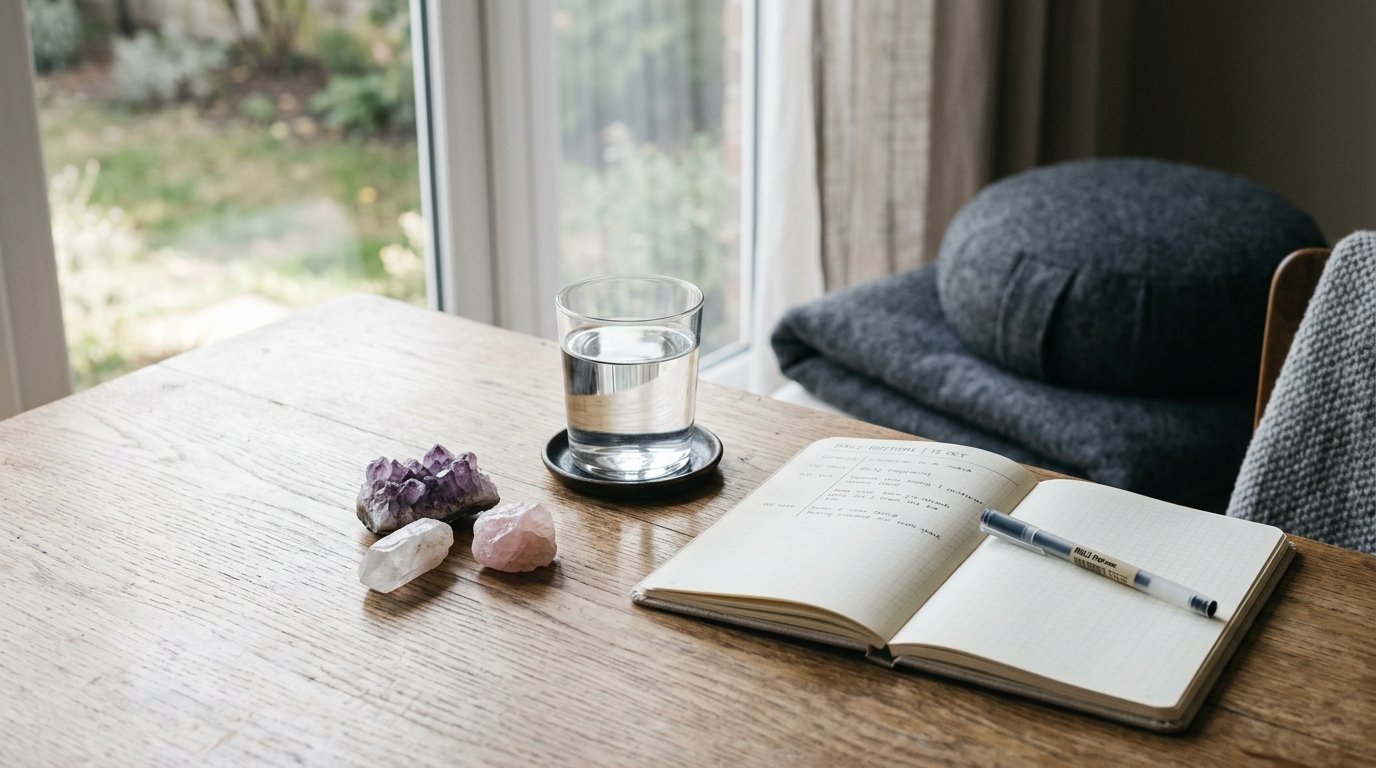
Instead of treating a stone as a cure, think of it as a physical reminder of a practice. That practice might be drinking more water, taking three deep breaths before work, journaling at night, or sitting quietly for five minutes. The crystal helps hold the intention in your awareness.
This matters because the search for crystals for health, physical, spiritual, and emotional wellness usually comes from a very practical question: “Which crystal matches what I need right now?” The clearest answer is to match the stone to the kind of support you want to build.
Physical Wellness Support
In crystal wellness language, “physical” usually does not mean direct treatment of illness. It more often means support for feeling grounded, rested, centered, and connected to your body.
For example:
- Black tourmaline is often used when someone feels overstimulated or wants stronger boundaries.
- Hematite is chosen for grounding and focus.
- Red jasper is commonly linked with steadiness, endurance, and everyday strength.
These stones fit routines such as keeping a crystal on your desk to remind you to check posture, stretch, or take breaks.
Emotional Wellness Support
Emotional wellness crystals are usually selected for calm, comfort, self-love, and resilience.
Examples include:
- Rose quartz for compassion, soothing, and heart-centered reflection
- Lepidolite for calming energy and emotional decompression
- Moonstone for balance during change or emotionally sensitive periods
The value here is often ritual-based. Holding a stone during journaling or after a stressful conversation can help create a pause between feeling and reaction.
Spiritual Wellness Support
Spiritual wellness is about meaning, inner connection, presence, and reflection. Crystals in this category are often used during meditation, prayer, breathwork, or energy practices.
Common choices include:
- Amethyst for spiritual calm and intuitive reflection
- Clear quartz for clarity and focused intention
- Selenite for a peaceful, light feeling in a space or practice
The important point is that these categories overlap. Someone may use amethyst for sleep, meditation, and emotional calm at the same time. That overlap is normal. Choose based on your main goal, not on finding a perfect label.
Practical Guidance
If you want to use crystals in a helpful, grounded way, start with a simple selection process.
1. Choose by Your Present Need
Ask yourself one question: What kind of support am I actually looking for?
- If you feel scattered or tense, start with a grounding stone like black tourmaline or hematite.
- If you feel emotionally raw, try rose quartz or lepidolite.
- If you want a deeper meditation habit, begin with amethyst or clear quartz.
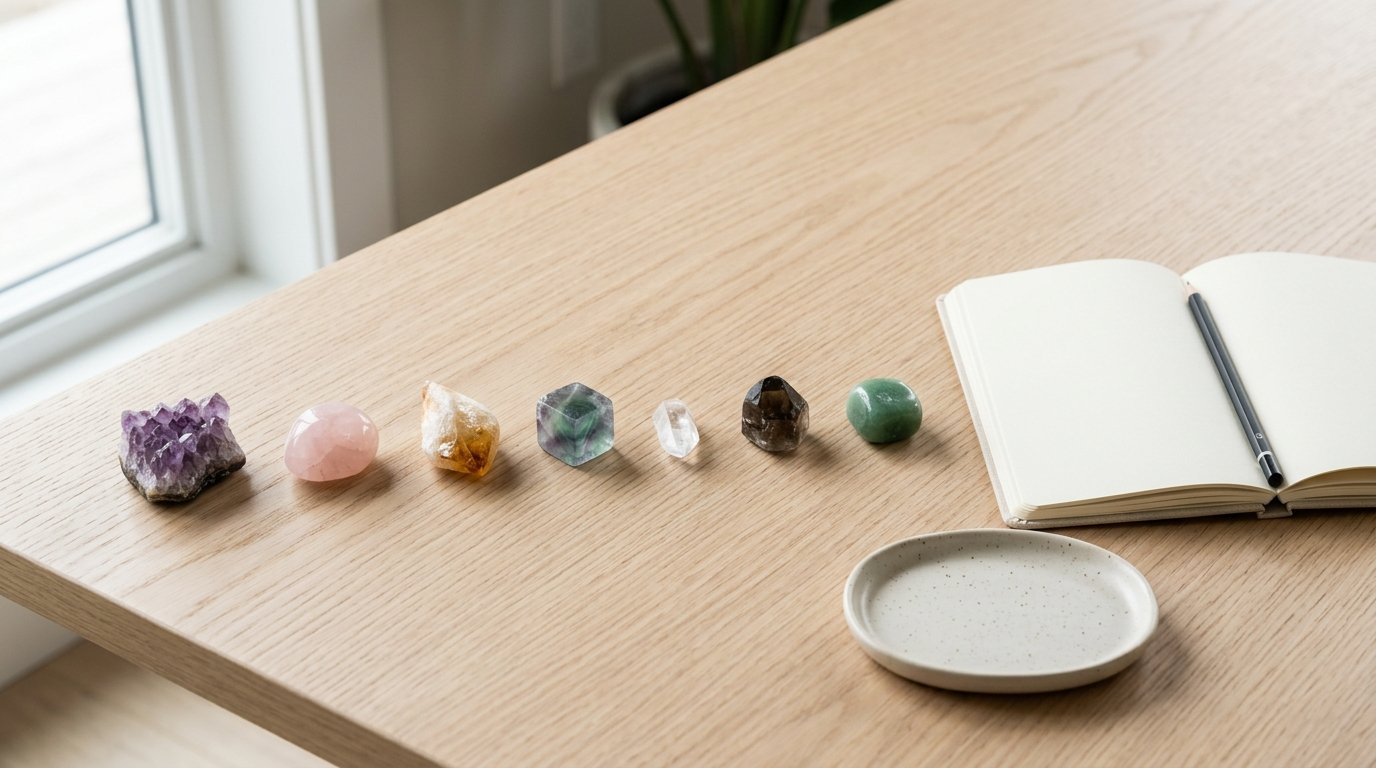
Beginners often do best with one to three crystals rather than a large collection.
2. Match the Crystal to a Routine
Crystals become more meaningful when attached to a specific action.
Examples:
- Keep black tourmaline near the front door as a reminder to leave work stress outside.
- Hold rose quartz during evening journaling to support self-kindness.
- Place amethyst by your meditation cushion or bedside table.
- Carry hematite in a pocket during busy days to encourage steadiness.
- Put clear quartz near a written goal or affirmation.
This turns the crystal from decoration into a cue for a wellness habit.
3. Use Simple Selection Criteria
When choosing a crystal, consider:
- Your goal: calm, grounding, clarity, comfort, focus
- Your response: which stone feels reassuring or meaningful to you
- Practicality: size, budget, and where you will actually use it
- Consistency: whether it fits a routine you can keep
You do not need the rarest or most expensive crystal. A small, affordable stone used regularly is more useful than a costly crystal that sits in a drawer.
4. Keep Use Methods Easy
Beginner-friendly ways to work with crystals include:
- carrying one in a pocket or bag
- placing one on a desk, nightstand, or altar
- holding one during breathwork or meditation
- pairing one with journaling or affirmations
- using one as a visual reminder during recovery or rest days
If you want to cleanse or refresh a crystal, keep it simple. Many people use intention, moonlight, sound, or gentle placement in a clean space. Avoid water or salt unless you know the stone is safe for it.
5. Keep Safety and Expectations Clear
This is the most important practical point: crystals are complementary, not curative.
Use them to support healthy behaviors, emotional regulation, and spiritual intention. Do not use crystals as a substitute for medical diagnosis, medication, therapy, or urgent care. If you are dealing with pain, trauma, anxiety, depression, or illness, professional support should come first.
A balanced approach looks like this: you might see a doctor for symptoms, work with a therapist for emotional health, and use crystals as part of a calming personal ritual. That is the most grounded and realistic way to include them in wellness.
FAQ
What Should a Beginner Know First About Crystals for Health Physical Spiritual Wellness?
Start with the idea that crystals support intention rather than replace treatment. Choose one stone based on your main goal, such as grounding, calm, or clarity, and pair it with a simple practice like meditation, journaling, or mindful breathing.
What Matters Most When Evaluating Crystals for Health Physical Spiritual Wellness?
The most important factors are your wellness goal, how consistently you will use the crystal, and whether it fits a real routine. Personal connection matters more than chasing perfect meanings. Practical use usually brings more value than collecting many stones.
What Mistakes Should Readers Avoid with Crystals for Health Physical Spiritual Wellness?
Avoid expecting crystals to cure illness, buying too many at once, or choosing based only on trends. Another common mistake is using crystals without any supporting habit. The stone works best as a reminder tied to rest, reflection, grounding, or self-care.
What Is the Next Logical Step After Learning About Crystals for Health Physical Spiritual Wellness?
Pick one area to support first: physical grounding, emotional comfort, or spiritual clarity. Then choose one crystal and use it daily for two weeks with a matching habit. Notice how the routine feels, then adjust before adding more stones.