
Choosing a crystal for another person is less about finding the “most powerful” stone and more about choosing something personal, respectful, and easy for them to enjoy. The best crystal gift reflects who they are, what they like, and what kind of support or symbolism would feel meaningful to them.
Quick answer: To choose a crystal for someone else, focus on their personality, current situation, favorite colors or styles, and how they might realistically use the stone. Pick a crystal with a simple, supportive meaning rather than making big promises. When in doubt, choose gentle, versatile stones like rose quartz, amethyst, clear quartz, black tourmaline, or citrine, and include a short note explaining why you selected it.
A thoughtful crystal can become a pocket reminder, desk object, meditation stone, piece of jewelry, or keepsake. The key is to choose with care, not assumption.
Start With the Person, Not the Crystal
Before you browse crystal meanings, think about the person receiving the gift. A crystal feels more special when it matches their life, taste, and comfort level.
Start with what they may be experiencing right now. Are they beginning a new job, moving home, grieving a loss, building confidence, feeling stressed, celebrating a win, or reconnecting with self-care? You do not need to solve anything for them. You are simply choosing a symbolic object that says, “I see you, and I’m thinking of you.”
Next, consider their style. Are they minimalist, earthy, colorful, elegant, spiritual, skeptical, playful, or drawn to home decor? A person who loves clean design may appreciate a smooth clear quartz point or a simple amethyst bracelet. Someone with a bold, creative style may enjoy carnelian, citrine, or a colorful polished stone.
Avoid assuming they want a crystal for deep healing, protection, or spiritual work unless they have already expressed interest. Some people love ritual and intention-setting. Others may prefer a crystal as a beautiful natural object. Both are valid.
A crystal can be chosen as:
- A symbolic reminder
- A decorative piece
- A meditation or reflection tool
- A pocket stone
- A friendship or celebration keepsake
- A small gift of encouragement
The goal is to choose something they would actually keep, use, wear, or display.
What You’ll Need Before Choosing
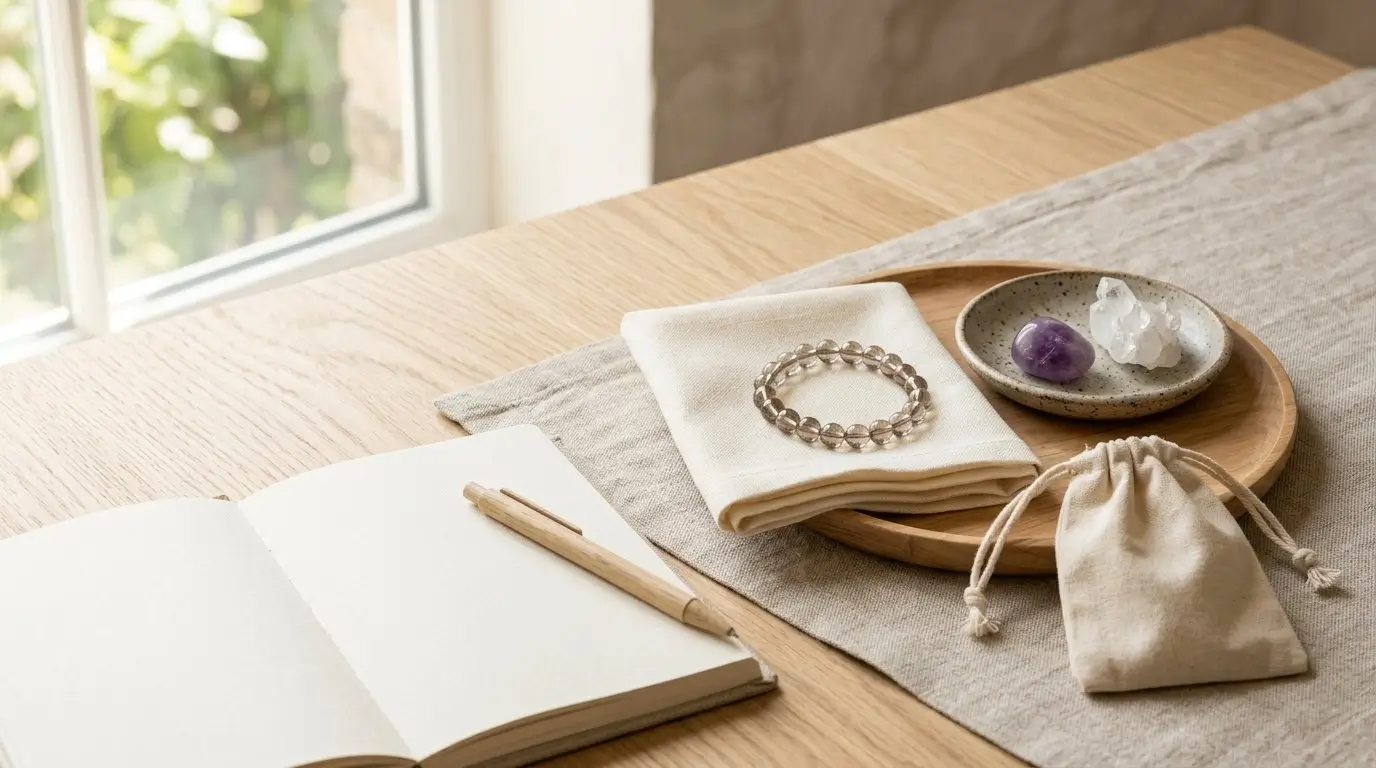
A little preparation makes the selection process much easier. Before buying a crystal for someone else, gather a few simple details:
- Your budget: Crystals range from small affordable tumbled stones to larger display pieces.
- The occasion: Birthday, thank-you gift, sympathy gift, new job, housewarming, graduation, or “just because.”
- Their preferences: Favorite colors, jewelry style, home decor style, or whether they like spiritual items.
- Any known crystal interest: Do they already collect crystals, wear crystal jewelry, or mention certain stones?
- Preferred format: Jewelry, decor, pocket stone, palm stone, tower, cluster, or a small gift set.
It often helps to choose the format before the specific stone. A bracelet is practical for someone who likes daily wear. A tumbled stone is simple and beginner-friendly. A palm stone feels good for meditation or quiet reflection. A cluster, tower, or polished point works well for a desk, shelf, or bedside table.
Buy from a seller that clearly labels stones and avoids exaggerated claims. Phrases like “supports calm” or “symbolizes clarity” are more responsible than promises to cure illness, guarantee love, or attract money.
For gifting, you may also want a small pouch, box, care note, or handwritten message. Keep the presentation simple and personal.
One more caution: avoid fragile, toxic, or water-sensitive stones for beginners unless you include clear care instructions. Some crystals can scratch, flake, fade, or react poorly to water, sunlight, or rough handling.
Step-by-Step: How to Choose a Crystal for Someone Else
Use this simple process to make a thoughtful choice without overcomplicating it.
1. Name the intention in simple words
Choose one clear theme for the gift. Keep it gentle and supportive, such as:
- Calm
- Confidence
- Comfort
- Focus
- Grounding
- Love
- Friendship
- Joy
- Fresh starts
- Creativity
- Strength
- Growth
For example, if your friend is starting a new job, the intention might be “confidence” or “fresh start.” If someone is going through a stressful season, the intention might be “calm” or “comfort.”
Avoid wording the intention in a way that makes the recipient feel judged. “You need protection from bad energy” may feel intense or critical. “I chose this as a reminder to feel grounded during a busy time” feels much kinder.
2. Match the intention to a beginner-friendly crystal
Once you have an intention, choose a crystal commonly associated with that theme. Keep the meaning symbolic rather than making guaranteed claims.
For example:
- Rose quartz is often associated with compassion, kindness, and emotional warmth.
- Amethyst is often associated with calm reflection and peaceful energy.
- Clear quartz symbolizes clarity, focus, and fresh starts.
- Black tourmaline is commonly used as a symbol of grounding and steadiness.
- Citrine is associated with optimism, confidence, and joy.
- Carnelian is linked with creativity and motivation.
- Green aventurine symbolizes growth and opportunity.
If the person is new to crystals, choose familiar and easy-to-understand stones. A simple meaning is usually better than a rare crystal with a complicated explanation.
3. Check their color, shape, and style preferences
A crystal’s meaning matters, but appearance matters too. If the recipient dislikes purple, amethyst may not be the best choice even if its meaning fits. If they only wear gold jewelry, a silver-set pendant may sit unused.
Think about what they naturally choose for themselves:
- Soft colors or bold colors?
- Polished stones or raw texture?
- Jewelry or home decor?
- Subtle pieces or statement pieces?
- Earthy, modern, mystical, or elegant style?
If you are unsure, choose a neutral or versatile look. Clear quartz, smoky quartz, rose quartz, black tourmaline, and small polished stones tend to fit many styles.
4. Choose a practical form
The right form depends on how the person might use it.
- Bracelet: Good for someone who likes wearable reminders.
- Necklace: Better for someone who enjoys meaningful jewelry.
- Tumbled stone: Easy for pockets, bags, desks, or beginners.
- Palm stone: Comfortable for meditation, reflection, or stress-relief routines.
- Cluster: Beautiful for a shelf, altar, or room decor.
- Tower or point: Good for display, but may feel more spiritual or decorative.
- Gift set: Nice for someone already interested in crystals, but avoid overwhelming beginners.
If you are choosing for a practical person, a small stone for their desk or a simple bracelet may work better than a large decorative piece.
5. Notice what feels fitting, but stay practical
Many people like to choose crystals intuitively. You might hold a few stones, look at their colors and textures, and notice which one reminds you of the recipient. That can be a lovely part of the process.
However, intuition should not be the only criterion. If your friend loves minimalist decor, a bright oversized crystal tower may not be right even if it catches your eye. Balance your instinct with what you know about their taste.
Ask yourself: “Does this feel like them?”
6. Add a short note explaining your choice
A note can turn a simple stone into a meaningful gift. You do not need a long spiritual explanation. One or two sentences are enough.
Examples:
- “I chose this rose quartz because it reminded me of your kindness.”
- “This clear quartz felt right for your new beginning.”
- “I picked this amethyst as a small reminder to pause and breathe.”
- “This citrine made me think of your warmth and optimism.”
The note helps the recipient understand the thought behind the crystal, even if they do not know its traditional meaning.
7. When unsure, choose versatile over highly specific
If you do not know the person’s beliefs, style, or crystal preferences, choose something gentle and versatile. Rose quartz, amethyst, clear quartz, black tourmaline, citrine, and green aventurine are all approachable choices.
Avoid rare, intense-looking, fragile, or highly symbolic stones unless you know the recipient would appreciate them.
Best Crystals to Choose for Common Gift Intentions
Use this table as a starting point, not a strict rule. The best choice is the one that matches both the intention and the recipient’s personal taste.
| Recipient situation | Crystal to consider | Why it fits | Best form |
|---|---|---|---|
| Needs compassion, friendship, or emotional warmth | Rose quartz | Often associated with love, kindness, and gentle support | Tumbled stone, bracelet, heart-shaped stone |
| Going through stress or needing quiet reflection | Amethyst | Symbolizes calm, reflection, and peaceful routines | Palm stone, bracelet, small cluster |
| Starting over, beginning a project, or seeking clarity | Clear quartz | Can serve as a reminder of focus, clarity, and fresh starts | Point, tumbled stone, pendant |
| Feeling scattered or needing steadiness | Black tourmaline | Often used as a symbol of grounding and stability | Tumbled stone, pocket stone, small raw piece |
| Celebrating joy, success, or optimism | Citrine | Associated with brightness, confidence, and positive momentum | Bracelet, polished point, small display piece |
| Building confidence or creative energy | Carnelian | Symbolizes motivation, creativity, and courage | Tumbled stone, bracelet, palm stone |
| Entering a season of growth or opportunity | Green aventurine | Often linked with growth, renewal, and possibility | Tumbled stone, pendant, palm stone |
Traditional meanings are helpful, but favorite color or appearance can matter just as much. A person who loves green may connect more with green aventurine than with a stone that has a technically “better” meaning.
If the recipient already owns crystals, consider choosing a different shape, size, or accessory instead of duplicating a stone they already have. A display stand, pouch, cleansing bowl, or simple labeled storage box can be a thoughtful addition.
Mistakes to Avoid When Giving Crystals
A crystal gift should feel supportive, not overwhelming or loaded with pressure. Avoid these common mistakes.
First, do not present crystals as cures for anxiety, illness, grief, fertility challenges, money problems, or relationship outcomes. Crystals can be meaningful symbols, comfort objects, or spiritual tools, but they should not replace professional care or practical support.
Second, avoid meanings that could sound like criticism. Giving someone black tourmaline because “you have negative energy” or citrine because “you need to be more successful” may feel hurtful. Frame the gift positively: grounding, encouragement, warmth, or celebration.
Third, do not choose only based on your own favorite stone. Your favorite crystal may not match their style, beliefs, or home. The gift is for them, so their preferences come first.
Be careful with culturally specific practices, rituals, or claims if you cannot explain them respectfully. You can give a crystal without assigning it a tradition you do not understand.
Also avoid overwhelming beginners with large sets, complex rituals, or stones that need special care. Simple is usually better.
Finally, remember basic safety. Keep small stones away from young children and pets. Do not recommend crystal elixirs unless the stone is known to be safe for that use and the recipient understands proper handling. When in doubt, suggest display, carrying, or wearing instead.
How to Present the Crystal and Know You Chose Well
Presentation does not need to be elaborate. A clean pouch, small box, handwritten note, and one-line meaning are enough. You might write the crystal name on a small card and add why you chose it.
For example:
“Amethyst — a small reminder to slow down and make space for calm.”
If you are uncertain about the choice, keep it neutral. Choose by color, choose a versatile crystal, or ask subtle questions before buying: “Do you like crystal jewelry or more decorative stones?” If appropriate, buy from a shop that allows exchanges or include a gift receipt.
If the recipient is skeptical, present the crystal as a beautiful natural object or symbolic token rather than a spiritual tool. You might say, “I saw this and thought it would look lovely on your desk,” instead of giving instructions for how they should use it.
A good crystal gift usually meets four simple checks:
- It matches the recipient’s taste.
- It feels appropriate for the occasion.
- It has a clear reason behind it.
- It is easy for them to wear, carry, or display.
Once you give it, let the recipient decide how to use it. They may meditate with it, keep it on a shelf, carry it in a bag, or simply enjoy how it looks. The gift has done its job if it feels thoughtful and welcome.
FAQ
What is the safest crystal to choose for someone else?
Clear quartz, rose quartz, and amethyst are safe, versatile choices for most crystal gifts. They are easy to find, beginner-friendly, and have simple meanings connected with clarity, kindness, and calm reflection.
Should I cleanse a crystal before giving it as a gift?
You can cleanse it if that is part of your practice, but it is not required. Keep it simple: gently wipe the stone, place it in a clean pouch, and include a note. Avoid methods that may damage water-sensitive or fragile stones.
Is it okay to choose a crystal based only on color?
Yes. Color is a valid reason, especially if the person is more design-focused than spiritual. If they love the look of the crystal, they are more likely to keep and enjoy it.
What crystal should I choose for someone going through a hard time?
Choose something gentle, such as rose quartz for compassion, amethyst for calm reflection, or smoky quartz for grounding symbolism. Present it as a supportive reminder, not as a cure or solution to their situation.
Can I give a crystal to someone who is not spiritual?
Yes, if you present it respectfully. Choose a crystal for its beauty, color, or symbolism rather than expecting them to use it spiritually. A simple desk stone, pendant, or decorative piece can still make a thoughtful gift.