

The beautiful purple amethyst has captured hearts for thousands of years with its rich color and powerful energy. This stunning crystal’s name comes from the Greek word “ametusthos,” meaning “not intoxicated,” and it represents qualities of clarity, peace, and spiritual connection. You might spot this popular gemstone in jewelry stores or crystal shops, where its violet hues range from light lavender to deep purple.
Your connection with amethyst can go beyond just wearing it as jewelry. Many people turn to this gemstone for its calming properties and ability to enhance spiritual awareness. When you hold an amethyst or place it in your space, you might feel a sense of tranquility wash over you – it’s like having a peaceful friend nearby.
Ancient Greeks believed this crystal could prevent drunkenness, while modern crystal enthusiasts value it for emotional balance and mental clarity. Whether you’re drawn to amethyst for its beauty or its reported spiritual benefits, this gemstone offers a special blend of elegance and inner peace that makes it a treasured addition to any collection.
History and Symbolism
Amethyst’s purple beauty has captured hearts and minds across cultures for thousands of years. This remarkable crystal holds deep meaning in religion, mythology, and royal traditions.
Mythology and Ancient Use
Ancient Greeks created a beautiful myth about a maiden named Amethystos. When the god Bacchus pursued her, she prayed for protection and was turned into a pure white crystal. Bacchus poured his wine over the crystal, giving it its signature purple color.
The Ancient Egyptians used amethyst in their jewelry and religious ceremonies. They believed it would protect them from evil and bring good fortune.
The stone’s name comes from the Greek word “amethystos,” meaning “not drunk.” People thought wearing it would keep them sober and clear-headed.
Significance Through the Ages
Medieval Christians saw special meaning in amethyst’s purple color. They connected it to Christ’s sacrifice and used it in religious jewelry and decorations.
The stone became linked to St. Valentine and love. You might still find amethyst in romantic jewelry today.
Kings and queens throughout history chose amethyst for their crowns and royal jewelry. Its rich purple color matched royal robes perfectly.
Many people wore amethyst to show their wealth and status. The stone decorated everything from royal scepters to religious artifacts.
Physical and Metaphysical Properties
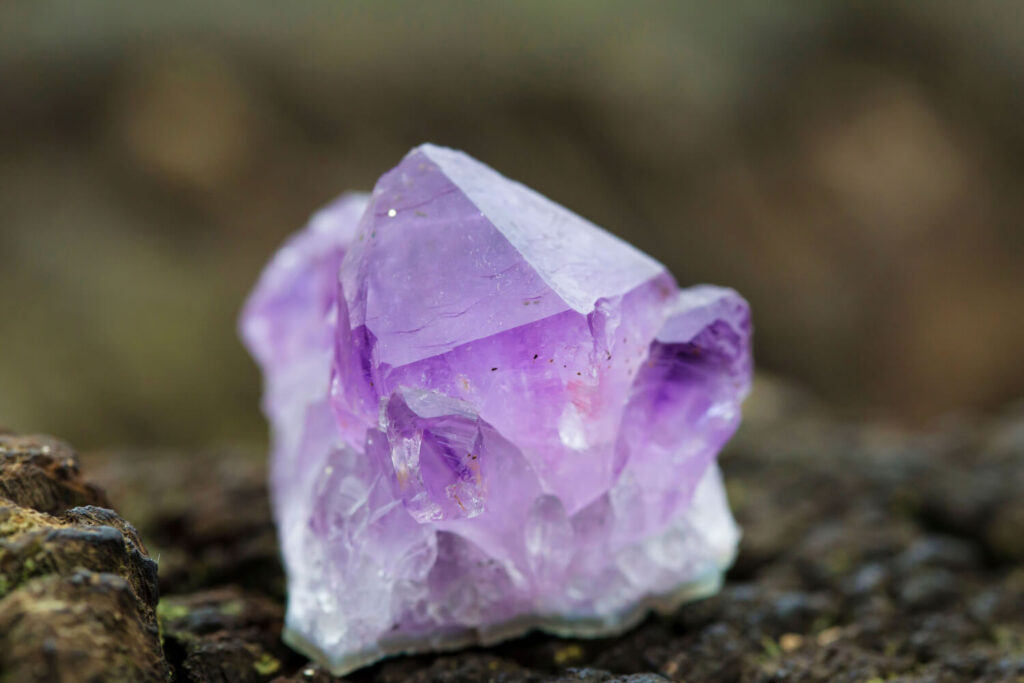
Amethyst combines beauty with powerful energetic qualities. Its purple hue ranges from light lavender to deep violet, making it stand out among crystals.
Understanding Amethyst’s Composition
Amethyst belongs to the quartz family with a hardness of 7 on the Mohs scale. The crystal gets its purple color from iron and other trace minerals like goethite and cacoxenite.
The stone forms in geodes and clusters, often growing alongside clear quartz and chalcedony. You’ll find the best specimens feature clear, vibrant zones of color with no cloudiness.
Natural amethyst can fade if exposed to strong sunlight for long periods, so keep your stones away from direct sun to maintain their rich purple shade.
Energies and Healing Attributes
Your amethyst connects most strongly with your crown and third eye chakras. This connection helps boost your intuitive abilities and spiritual awareness.
When you hold amethyst, it acts as a natural stress reliever. Place it under your pillow or on your nightstand to promote peaceful sleep and ward off nightmares.
The stone helps clear your mind and enhance focus during meditation. Many people feel a sense of calm and balance when working with amethyst regularly.
If you want to use amethyst in your practice, this beginner-friendly guide covers simple ways to begin.
Try wearing amethyst jewelry near your head or throat to maximize its peaceful energy throughout your day. The stone works well in any form – raw clusters, polished pieces, or jewelry.
Healing and Therapeutic Effects
Amethyst offers strong calming properties that can help with your physical and emotional well-being. This purple crystal acts as a natural stress reliever and healing stone.
Emotional and Mental Wellness
Place amethyst near your workspace or meditation area to create a peaceful environment. The crystal works to clear negative thoughts and reduce anxiety.
The stone helps you stay focused during challenging times. Many people find it easier to manage their emotions when keeping amethyst close by.
When dealing with anger or mood swings, hold an amethyst crystal in your hand. Its soothing energy can help restore emotional balance.
Amethyst supports those working through addiction recovery. Its name means “not intoxicated” in Greek, and it has a long history of promoting sobriety.
Physical Health Benefits
Wearing amethyst jewelry might boost your immune system and help you feel more energized. The crystal’s gentle vibrations can promote better sleep patterns.
Try placing amethyst under your pillow to reduce headaches and improve sleep quality. Many users report waking up feeling refreshed and clear-headed.
The stone may help ease physical tension in your body. Keep it nearby during stressful workdays to reduce muscle tightness and promote relaxation.
Amethyst can support better meditation practices. Its calming presence helps your body maintain a relaxed state while staying alert and focused.
Spiritual Connection and Practices
Amethyst creates powerful bonds between your physical self and spiritual awareness through its soothing purple energy. This crystal opens pathways to deeper meditation and spiritual growth.
Enhancing Spiritual Growth and Awareness
Your spiritual journey becomes clearer with amethyst by your side. Place this crystal on your third eye or crown chakra to boost intuition and spiritual insight.
The crystal works best when you set clear intentions. Hold it in your hands while stating positive affirmations about your spiritual goals.
Create a peaceful space by placing amethyst crystals in the corners of your room. This feng shui practice helps maintain calm energy throughout your space.
Key Benefits for Spiritual Growth:
- Strengthens intuitive abilities
- Opens third eye and crown chakras
- Creates protective spiritual shields
- Deepens connection to inner wisdom
Amethyst in Meditation and Yoga
Hold an amethyst stone during meditation to stay focused and centered. Its calming vibrations help quiet racing thoughts and bring your mind to a peaceful state.
Place the crystal on your yoga mat while practicing to enhance mind-body connection. Many people find it helps deepen their poses and breathing exercises.
Simple Meditation Practice:
- Sit quietly with amethyst in your palm
- Focus on your breath for 5 minutes
- Visualize purple light surrounding you
- Allow peaceful energy to flow through
Your meditation space benefits from amethyst clusters. Put them near your cushion or altar to create a serene atmosphere for your practice.
Amethyst as Jewelry and Adornment
Purple amethyst gems add beauty and meaning to jewelry pieces. You’ll find this stunning stone used in rings, necklaces, earrings, and bracelets.
Selecting Amethyst Jewelry
The best amethyst jewelry shows off the stone’s rich purple color and sparkle. Look for pieces that catch the light and display clear, deep purple hues without dark spots or cloudy areas.
As February’s birthstone, amethyst makes a perfect gift for Aquarius and Pisces zodiac signs. You can choose from affordable options like silver pendants or luxury pieces set in gold with diamonds.
Popular styles include:
- Solitaire rings with a single stone
- Beaded bracelets with amethyst chips
- Drop earrings featuring faceted gems
- Pendant necklaces with raw crystals
Symbolic Jewelry for Occasions
Amethyst jewelry carries special meaning for many life events. You might pick an amethyst piece to mark a February birthday or celebrate a spiritual milestone.
For weddings, amethyst jewelry makes thoughtful gifts for bridesmaids. The purple gems pair beautifully with both silver and gold settings.
Choose amethyst pieces for:
- Birthdays (especially February)
- Graduations
- Religious ceremonies
- Meditation practice
The stone’s calming energy makes it perfect for daily wear. You can mix amethyst pieces with other gemstones or wear them alone as stunning statement pieces.
How to Use and Care for Amethyst
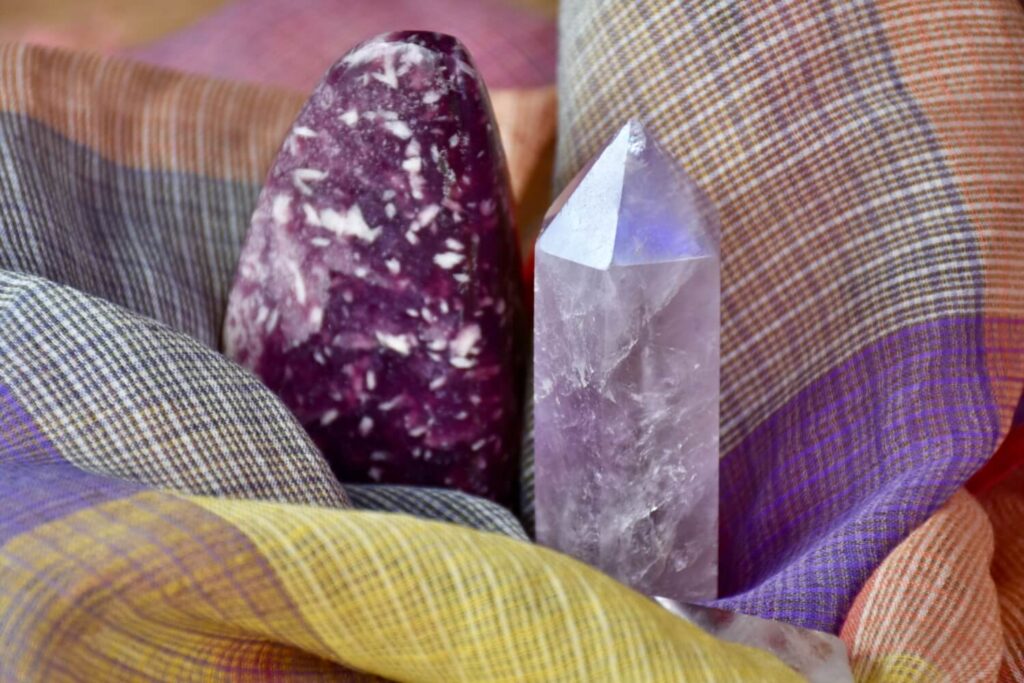
Taking good care of your amethyst helps keep its purple color bright and its energy clear. The right cleaning methods and placement can make your crystal work better for you.
Cleaning and Charging Your Stone
Clean your amethyst once a month with gentle soap and warm water. Use a soft cloth to wipe the stone, being careful not to scratch its surface.
Never use harsh chemicals or ultrasonic cleaners on your amethyst. These can damage the crystal’s surface and dull its color.
To charge your stone, place it in moonlight overnight. This works best during a full moon.
You can also clear your amethyst’s energy by placing it on a bed of sea salt for 24 hours. Remember to rinse it afterward.
Placement and Feng Shui Tips
Put your amethyst in your bedroom to create a peaceful sleeping space. Place it on your nightstand or under your pillow.
Keep amethyst away from direct sunlight to prevent color fading. A shady spot on your desk or bookshelf works great.
For meditation, hold your amethyst in your hand or place it on your third eye area. This helps calm your mind.
In feng shui, amethyst works best in the wealth corner of your home – the far left corner from your front door. You can also place it in your knowledge area to boost wisdom and learning.
Small amethyst clusters make perfect decorations for your home office. They help you stay focused while working.
Amethyst Varieties and Related Crystals
Amethyst comes in several beautiful varieties, each with unique patterns and energy properties. The crystal family connects closely with other quartz varieties through their shared mineral structure.
From Purple Quartz to Ametrine
Pure amethyst shows a rich purple color that can range from light lavender to deep violet. The color comes from iron and other trace minerals in the crystal structure.
Ametrine combines amethyst and citrine in one crystal, creating stunning purple and golden zones. You might find this rare variety mainly in Bolivia.
Your amethyst collection might include Vera Cruz amethyst from Mexico, known for its delicate lavender shade and exceptional clarity.
Comparing Different Types
Chevron amethyst displays distinctive V-shaped patterns in its crystal structure. You’ll notice bands of white quartz mixed with purple amethyst.
Brandberg amethyst from Namibia shows unique patterns and sometimes contains clear quartz inclusions. These crystals often form in beautiful points.
Amethyst geodes offer dramatic crystal formations inside hollow rock chambers. You can find small palm-sized specimens or massive geodes taller than you.
Types of Amethyst:
- Deep Purple: Traditional dark violet crystals
- Vera Cruz: Light lavender specimens
- Chevron: Banded with V-patterns
- Brandberg: Clear and purple mix
- Geode: Crystal-lined cavities
The Science of Amethyst
Amethyst forms deep within the Earth through specific geological processes that give it its famous purple color and crystalline structure. The gem appears in various locations worldwide, each with unique characteristics.
Understanding Its Formation
Amethyst is a special type of quartz crystal that gets its purple color from iron and other trace minerals. Heat and pressure create the perfect conditions for these crystals to grow inside hollow spaces called geodes.
The crystals start small and grow larger over time as mineral-rich water flows through the rock. Iron atoms get trapped inside the crystal structure during formation.
The amount of iron and radiation exposure determines how dark or light the purple color becomes. Some crystals can be very pale lilac while others are deep royal purple.
Geographical Sources
Brazil leads the world in amethyst production. You’ll find massive geodes there, some big enough to stand inside! The gems from Brazilian mines often show deep, rich purple colors.
Uruguay is another major source of high-quality amethyst. Their mines produce crystals with exceptional clarity and a more consistent purple color.
You can also find amethyst deposits in:
- Mexico
- South Korea
- Austria
- Russia
The best specimens often come from volcanic areas where the right minerals and conditions exist for crystal growth.
Integrating Amethyst in Daily Life
Amethyst brings peace and balance to any space through its calming purple energy. You can easily add this crystal to both your home and work environments.
Home Decor and Amethyst
Place amethyst clusters on your coffee table or bookshelf to create peaceful focal points in your living space. The purple hues work well with both modern and traditional decor styles.
Add small amethyst pieces to your bedroom to promote better sleep and relaxation. A crystal on your nightstand can help quiet your mind before bed.
Display amethyst in your meditation corner or yoga space. Its tranquil energy supports spiritual practices and self-reflection.
Creative placement ideas:
- Window sills to catch natural light
- Bathroom counter for spa-like ambiance
- Kitchen windowsill for positive energy while cooking
- Living room shelves for balanced energy flow
Amethyst in the Workplace
Keep a small amethyst stone on your desk to stay focused and calm during busy workdays. Its presence can help reduce stress when deadlines approach.
Place an amethyst cluster near your computer to protect against electromagnetic stress. This placement also encourages creative thinking and problem-solving.
Benefits for your workspace:
- Promotes clear communication
- Reduces workplace tension
- Supports creative inspiration
- Helps maintain emotional balance
Create a mini crystal grid with amethyst points around your workspace to establish a protective energy boundary. This setup helps block negative influences while keeping you centered.
Global Influence and Cultural Significance
Amethyst’s rich purple color has shaped beliefs and practices across many societies. Different cultures have embraced this crystal for its beauty and perceived powers, from ancient religious ceremonies to modern wellness practices.
Amethyst in Religion and Culture
Ancient Greeks believed amethyst could prevent drunkenness and keep you clear-headed. They often carved drinking vessels from this purple stone.
The Catholic Church valued amethyst as a symbol of wisdom and purity. Bishops wore amethyst rings to protect themselves from negative energy and strengthen their connection to the divine.
In Buddhist traditions, amethyst helps enhance meditation and spiritual growth. Many prayer beads include this crystal to promote inner peace.
Modern Interpretations and Uses
Today, you might find amethyst in meditation spaces and healing practices. Many people keep this stone near their bed to help with insomnia and promote peaceful sleep.
Crystal healers suggest amethyst can help you process grief and emotional pain. Its protective qualities are said to shield you from psychic attacks and negative energy.
Your jewelry collection might include amethyst pieces that symbolize unconditional love and fidelity. This stone remains popular in engagement rings and anniversary gifts.
Wellness practitioners often place amethyst in therapy rooms and yoga studios to create a calm, balanced environment. You’ll find this crystal in many meditation apps and modern spiritual guides.