
Palm stones are smooth, polished crystals shaped to rest comfortably in your hand. People use them because they are easy to hold during meditation, grounding, quiet reflection, or moments of stress. Their value is not just in the crystal material itself, but in the shape: a palm stone turns a crystal into something tactile, calming, and practical for daily use. If you want a crystal you can actually sit with, carry, and use regularly, a palm stone is often one of the most beginner-friendly options.
Quick Answer
Palm stones are polished crystals cut into a flat, rounded shape that fits naturally in the palm of your hand. The main reason people choose palm stones is simple: they make a crystal easy to hold and use.
That shape matters. A raw crystal can look beautiful, but it is not always comfortable to grip. A sphere may roll away. A tower is better for display than touch. A palm stone, by contrast, is made for contact. You can hold it during meditation, keep it beside your bed, use it during breathwork, or reach for it when you want a steady object to focus on.
For many beginners, that makes palm stones one of the most practical crystal shapes. They combine portability, comfort, and a soothing feel. Some people choose a palm stone for a specific crystal property, such as calming amethyst or grounding black obsidian. Others simply want a smooth, reassuring object to keep in their hand.
The main takeaway: if you want a crystal that feels usable in everyday life, palm stones are often the best place to start.
How to Think About This Topic
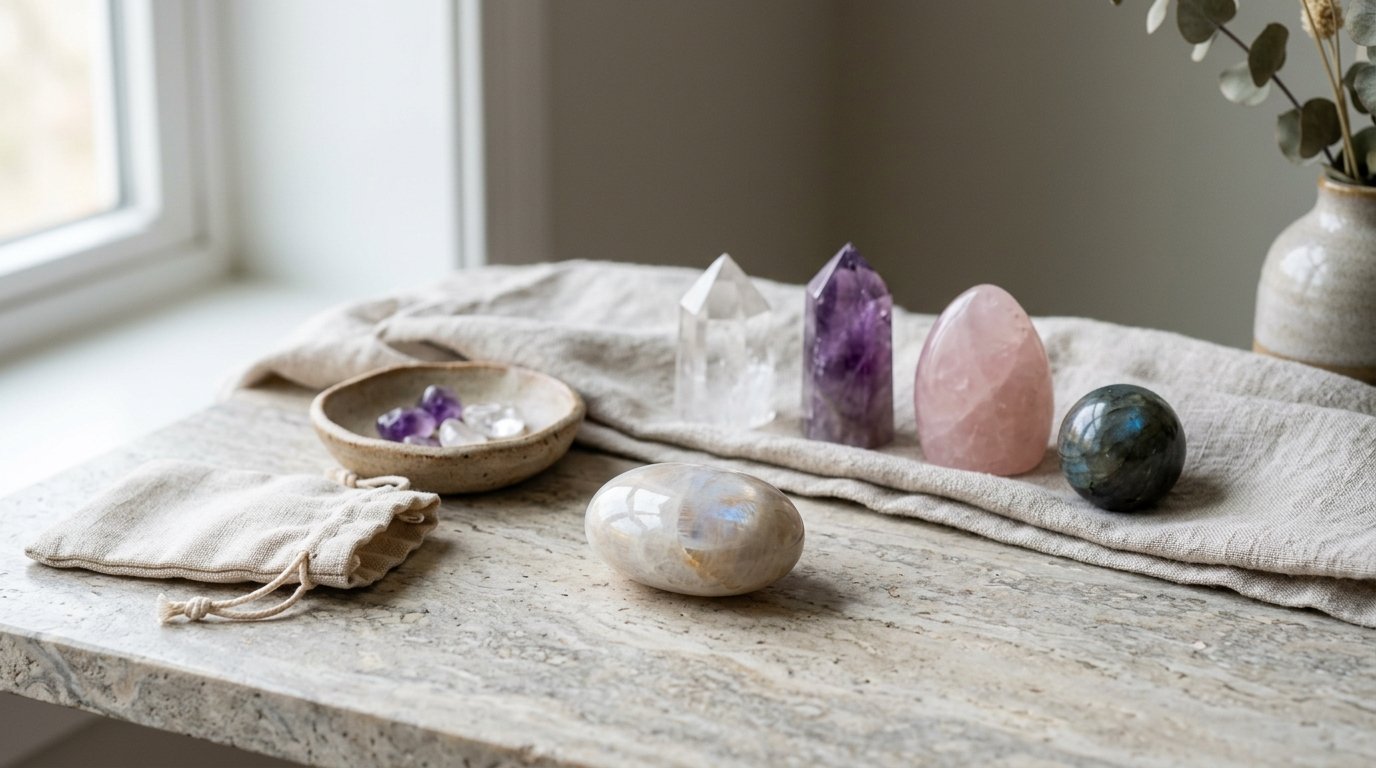
The most useful way to think about palm stones is as a functional crystal shape, not just a decorative one. When people search for palm stones, they usually want to know more than the definition. They want to know why this shape is worth choosing over other crystal forms.
A palm stone is designed for touch. Its size, weight, and rounded edges encourage you to hold it still, rub it with your thumb, or rest it in your palm. That makes it especially relevant for people who want a crystal for calming routines, mindfulness, or simple physical comfort.
In other words, the shape changes the experience.
A crystal point tends to direct attention outward and often works best on an altar, desk, or shelf. A tumble stone is portable, but usually smaller and less substantial in the hand. A worry stone is close to a palm stone, but often includes an indented thumb groove for repetitive rubbing. Palm stones sit between these forms: large enough to feel grounding, simple enough to use anywhere, and smooth enough to invite relaxed holding.
That is why palm stones matter. They turn a crystal into an object of presence. You do not have to know a lot about crystal meanings to use one well. You can simply pick it up when you want to slow down, settle your thoughts, or focus your breathing.
This also helps explain why palm stones are common gifts. They are approachable. Someone may not know how to work with crystal grids, towers, or ritual tools, but most people understand the comfort of holding a smooth stone.
If you are deciding whether a palm stone is relevant for you, ask practical questions:
- Do you want a crystal you can hold during meditation?
- Do you like tactile objects that help with focus?
- Do you want something display-friendly but still usable?
- Do you want a larger alternative to tiny tumbles?
If the answer to any of those is yes, a palm stone makes sense.
The crystal material still matters, but the shape is the reason people reach for it repeatedly. Palm stones are less about collecting and more about interaction.
Practical Guidance
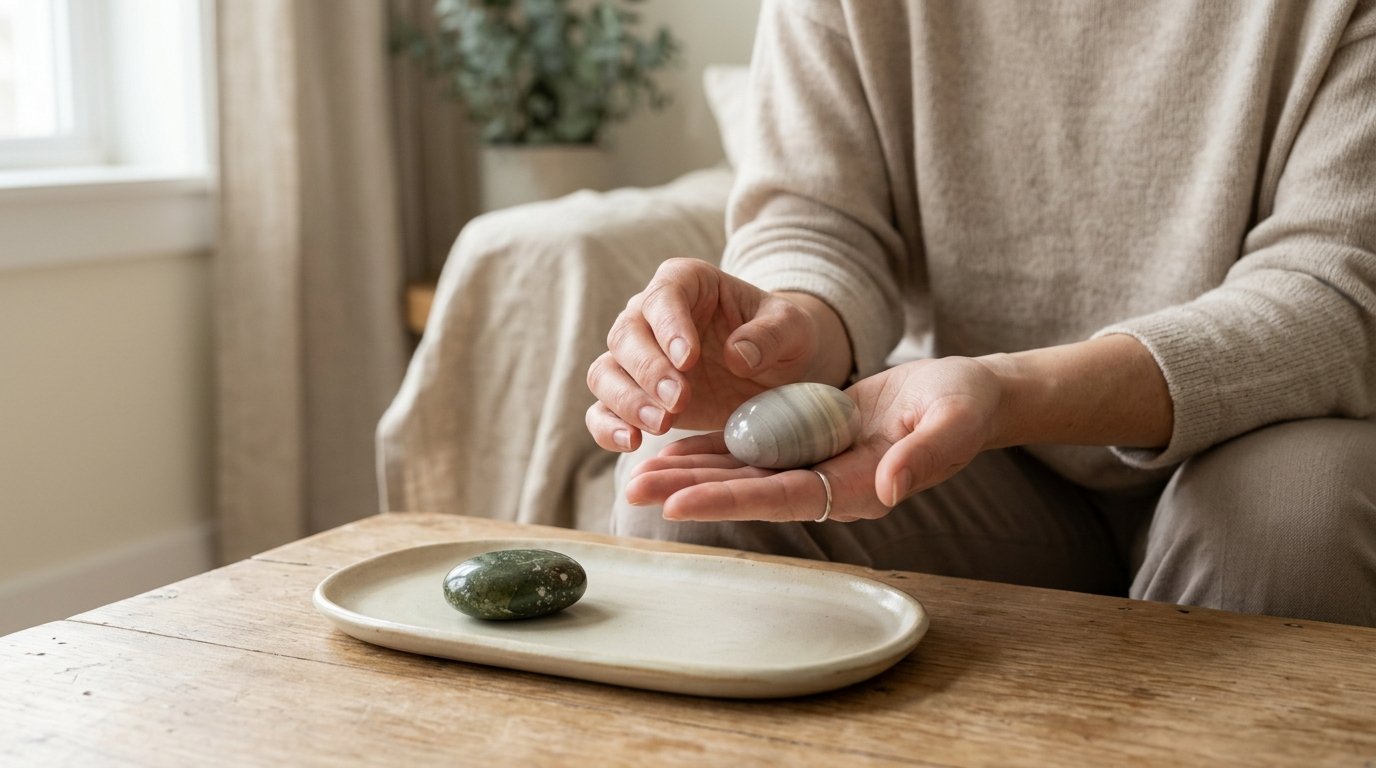
When choosing a palm stone, start with use, not appearance alone. A beautiful stone that feels awkward in your hand will likely sit untouched. A good palm stone should feel comfortable, balanced, and easy to return to.
What to Look for
Size:
A palm stone should fill part of your palm without feeling bulky. Too small, and it functions more like a tumble. Too large, and it becomes inconvenient to carry or hold for long periods.
Shape:
Some are oval, some round, some more rectangular with soft edges. Choose the one that feels most natural in your hand. If you want more thumb movement, a worry stone may suit you better, but many people prefer the simpler smooth surface of a palm stone.
Finish:
A high polish gives a silky feel. That is ideal if you want a soothing tactile experience. Check for chips, rough edges, or uneven polishing, especially if buying online.
Weight:
Heavier stones can feel more grounding, while lighter stones may be better for carrying in a pocket or pouch.
Matching the Crystal to the Situation
Keep crystal meanings practical and tied to use. For example:
- Amethyst palm stone: often chosen for quiet time, sleep spaces, or meditation.
- Rose quartz palm stone: popular for self-kindness, emotional comfort, or gentle reflection.
- Black obsidian or black tourmaline palm stone: often used when someone wants a grounding, steadying feel.
- Clear quartz palm stone: a simple all-purpose choice for focus and intention.
- Lepidolite palm stone: often picked for calming routines because it has a soft, soothing presence.
You do not need the “perfect” crystal to benefit from the shape. If a stone feels calming, steady, or meaningful to you, that is already useful.
Ways to Use a Palm Stone
Here are a few realistic, beginner-friendly examples:
- Hold one during deep breathing for five minutes after work.
- Keep one on your nightstand and pick it up before sleep.
- Use one during meditation instead of letting your hands wander.
- Carry one to stressful appointments as a quiet grounding object.
- Rest one in your palm while journaling or setting an intention.
These are simple use cases, but that is exactly the point. Palm stones work best when they fit naturally into your routine.
Related Crystal Shapes to Know
If you are comparing options, these are the closest related forms:
- Worry stones: similar, but with a thumb indentation for repetitive rubbing.
- Tumble stones: smaller and more pocket-sized, but usually less substantial in the hand.
- Hearts: also handheld, though more symbolic and less neutral in shape.
- Spheres: smooth and pleasing, but less practical for steady holding.
For most people who want comfort, portability, and regular use, palm stones offer one of the best balances.
Care and Buying Tips
Buy from a seller who clearly lists the crystal type, approximate size, and whether the photo shows the exact stone or a representative example. Since palm stones are tactile objects, dimensions matter more than they do with many display pieces.
To care for one, wipe it with a soft cloth and store it where it will not bang against harder stones. Some crystals are water-safe, but not all are, so check before rinsing. If you use energetic cleansing methods, keep them simple and appropriate to the material, such as moonlight, sound, smoke, or placing the stone on a clean cloth with intention.
FAQ
What Are Palm Stones Used for?
Palm stones are mainly used for holding during meditation, stress relief, grounding, and quiet reflection. Their smooth, palm-sized shape makes them easy to use during breathwork, bedtime routines, or moments when you want a calming object to focus on.
What Is the Difference Between a Palm Stone and a Worry Stone?
A palm stone is usually smooth and evenly rounded, while a worry stone often has a thumb-shaped indentation. Both are handheld crystals, but worry stones are made for repetitive rubbing, while palm stones are more general-purpose and rest more broadly in the hand.
Can You Carry a Palm Stone in Your Pocket?
Yes, if it is small enough. Many palm stones can fit in a coat pocket or roomy pants pocket, though some are better carried in a pouch or bag. If you want something extremely portable, a tumble stone may be easier.
Which Crystal Makes the Best Palm Stone?
The best crystal depends on your goal. Amethyst is popular for calm, rose quartz for emotional comfort, black stones for grounding, and clear quartz for versatility. If you are unsure, choose the one that feels most comfortable and appealing in your hand.
How Do You Cleanse a Palm Stone?
You can cleanse a palm stone with methods suited to its material, such as moonlight, sound, smoke, or intention. Some stones can handle water, but others should not get wet. If you are uncertain, use a dry, low-risk method instead.