
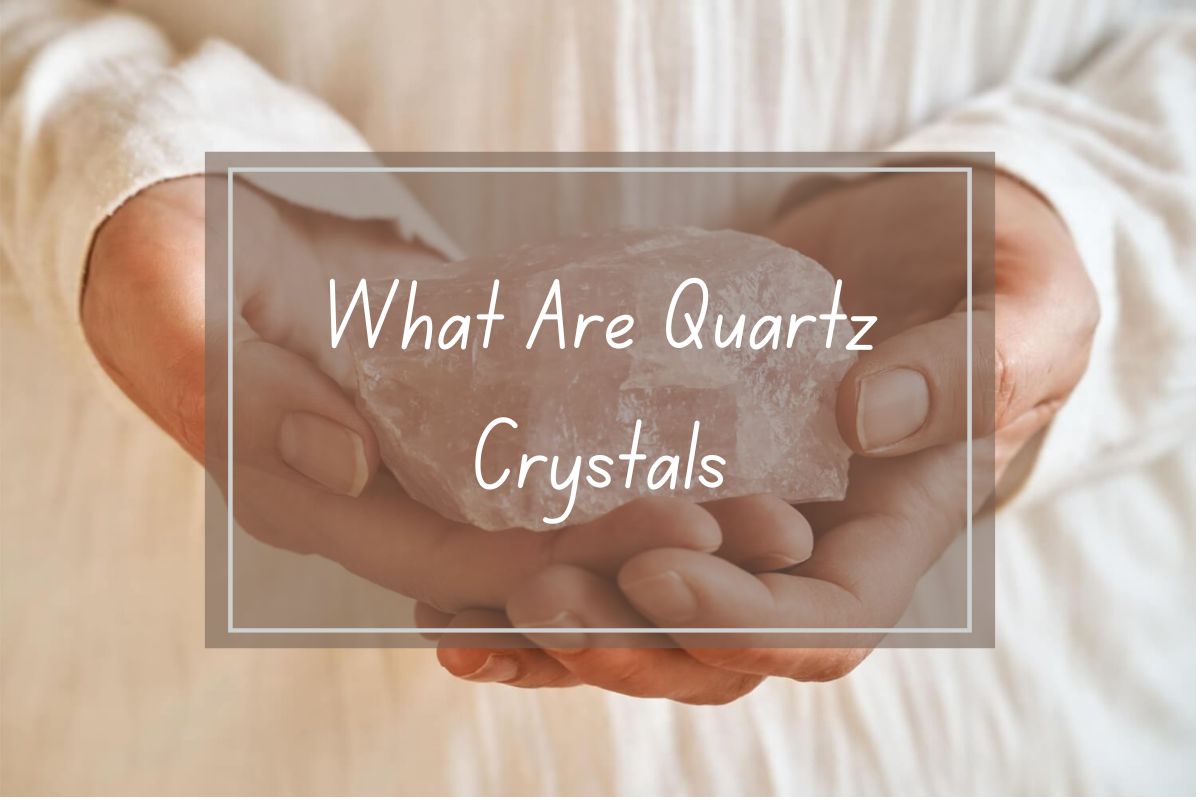
Have you ever picked up a shiny, clear crystal and wondered what makes it so special? Quartz crystals are all around us, from the sand on beaches to the watches on our wrists. Quartz is a hard, crystalline mineral made of silicon dioxide (SiO2) that forms in a continuous framework of silicon-oxygen tetrahedra, giving it its distinctive hardness and durability.
These beautiful gemstones come in many varieties, from clear crystal quartz to purple amethyst. What makes quartz truly fascinating is its unique properties. When pressure is applied to quartz, it creates an electrical charge—a phenomenon called piezoelectricity. This special quality makes quartz valuable in watches, electronics, and many everyday devices you use.
If you’re curious about the purple variety, see how amethyst is a type of quartz.
You might spot quartz in nature as part of granite rocks, in hydrothermal veins, or as stunning crystals in rock cavities. Its resistance to weathering means quartz sticks around for millions of years while other minerals break down. Whether you’re a curious collector or just appreciate natural beauty, quartz crystals offer a fascinating glimpse into Earth’s mineral world.
The Science of Quartz
Quartz is one of Earth’s most fascinating minerals with unique properties that make it special. It’s made of common elements but has extraordinary characteristics that have made it valuable in many applications.
Crystal Structure and Composition
Quartz is made of silicon and oxygen atoms linked together in a continuous framework. These elements form silicon dioxide (SiO₂), creating a strong crystalline structure. The atoms arrange themselves in tetrahedra—pyramid-like shapes with silicon at the center and oxygen at each corner.
This arrangement gives quartz its remarkable stability. Each oxygen atom connects to two silicon atoms, forming a sturdy three-dimensional network. This is why quartz can withstand weathering and persist in nature for millions of years.
You can find quartz nearly everywhere on Earth’s crust because its building blocks—silicon and oxygen—are the two most abundant elements in the planet’s outer layer. This abundance helps explain why quartz is so common in many rocks and sediments.
Quartz Varieties and Colors
While pure quartz is colorless (often called rock crystal), you’ll discover it comes in many beautiful varieties based on inclusions and trace elements.
If citrine caught your eye, here’s a guide on what citrine is good for.
Common Quartz Varieties:
- Amethyst: Purple quartz colored by iron impurities
- Citrine: Yellow to orange quartz
- Rose quartz: Pink variety with titanium traces
- Smoky quartz: Brown to black quartz affected by natural radiation
Quartz falls into two main categories based on crystal size. Macrocrystalline quartz has visible crystals, like the transparent points you might display on your shelf. Microcrystalline quartz has microscopic crystals, including varieties like agate, jasper, and chalcedony.
The color variations make quartz popular for jewelry and decorative items. Each shade tells a story about the mineral’s formation conditions and the elements present during crystallization.
Physical Properties of Quartz
Quartz ranks 7 on the Mohs hardness scale, making it harder than most common minerals. This durability is why your quartz countertops resist scratching so well.
One of quartz’s most valuable properties is piezoelectricity. When you apply pressure to quartz, it generates a small electric charge. This property makes quartz essential in watches, clocks, and electronic components where precise timing matters.
Key Properties:
- Hardness: 7 (scratches steel)
- Specific gravity: 2.65 (lighter than many gemstones)
- Luster: Vitreous (glass-like)
- Fracture: Conchoidal (shell-like curves)
Quartz also shows excellent resistance to chemical weathering and doesn’t dissolve easily in water or most acids. This stability explains why you find quartz sand on beaches worldwide—it’s often the last mineral standing after others have weathered away.
Formation and Sources of Quartz
Quartz forms through fascinating natural processes that involve a mix of heat, pressure, and specific minerals. These beautiful crystals can be found in various places around the world, with some locations known for their exceptional quality and abundance.
Quartz in the Earth’s Crust
Quartz is one of the most common minerals in the earth’s crust. It forms when silicon and oxygen atoms link together in a continuous framework. This happens in several ways. The most common is through the cooling of magma in igneous rocks. As the hot magma cools down, silicon and oxygen combine to create quartz crystals.
Another way quartz forms is through a process called hydrothermal formation. This happens when hot water solutions, heated by magma, flow through cracks in rocks. These solutions contain dissolved minerals that crystallize as the water cools. This process creates beautiful crystal formations.
Quartz can also form when sandstone undergoes intense heat and pressure, transforming into quartzite. This metamorphic process preserves the original sand grains but fuses them tightly together.
Key Locations for Quartz Mining
Brazil stands out as one of the world’s leading sources of high-quality quartz crystals. The Minas Gerais region is especially famous for its exceptional specimens. Miners have pulled stunning clear crystals and amethysts from this area for centuries.
The United States has several important quartz mining locations too. Arkansas is known for its clear quartz crystals, while North Carolina and California have significant deposits as well.
Madagascar and Russia are other major sources where you can find valuable quartz varieties. In Russia’s Ural Mountains, you’ll discover amazing amethyst and citrine, while Madagascar produces a wide range of quartz types.
When you hold a piece of quartz, you’re connecting with a mineral that formed deep within the earth over thousands or even millions of years.
Quartz as a Gemstone
Quartz is one of the most abundant minerals on Earth, and it comes in many beautiful colors that make it popular for jewelry. You can find quartz gems in almost every shade imaginable, from clear crystals to rich purples and warm yellows.
Popular Quartz Gem Varieties
Amethyst is perhaps the most treasured quartz variety, known for its gorgeous purple color ranging from pale lilac to deep violet. This gem has been valued throughout history and was once considered as precious as rubies and sapphires!
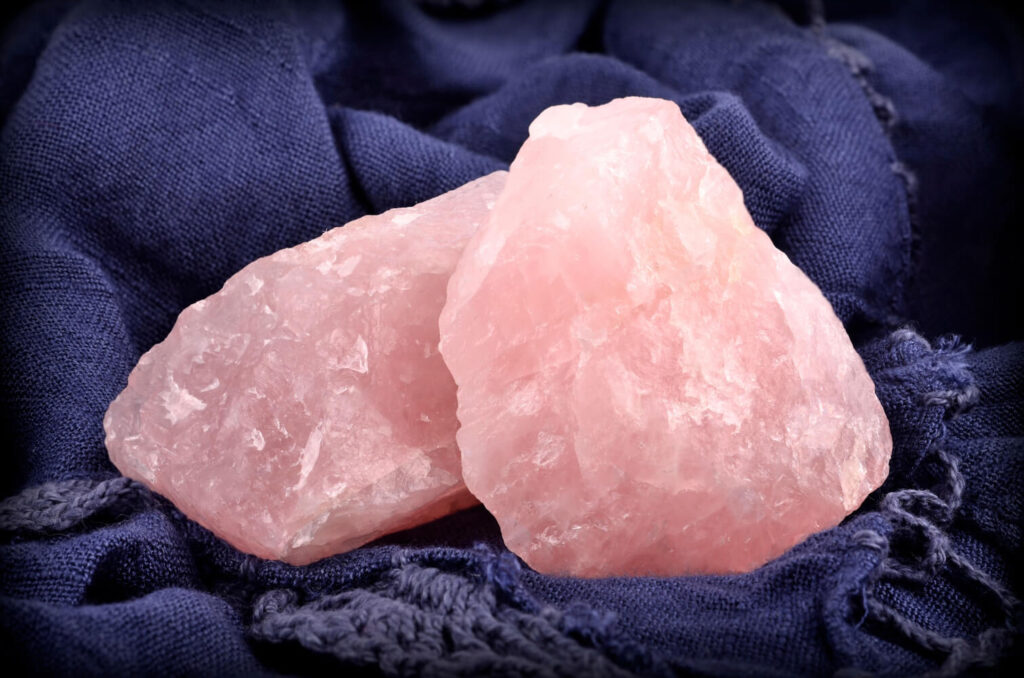
Rose quartz offers a gentle pink color that symbolizes love and healing. Its soft appearance makes it perfect for romantic jewelry pieces.
If you want to learn more about its symbolism, see rose quartz meaning.
Citrine displays sunny yellow to amber hues that brighten any jewelry collection. Many “citrines” on the market are actually heat-treated amethyst, but natural citrine has a more subtle golden color.
Smoky quartz ranges from light brown to nearly black. Its mysterious appearance makes it popular for both statement pieces and everyday wear.
Clear quartz, often called “crystal quartz,” is colorless and transparent. It’s frequently used in both traditional and modern jewelry designs.
Quartz in Jewelry Making
You’ll find quartz in all types of jewelry from affordable fashion pieces to high-end designs. Its hardness rating of 7 on the Mohs scale means your quartz jewelry will resist scratches and last for many years with proper care.
Jewelers love working with quartz because it can be cut into various shapes – from traditional faceted styles to smooth cabochons and unique carved pieces. The mineral’s abundance makes it affordable for designers to create bold, larger pieces that would be prohibitively expensive with rarer gems.
Quartz gems pair beautifully with both silver and gold settings. Clear quartz is often used in minimalist designs, while colored varieties like amethyst and rose quartz create more eye-catching pieces.
When shopping for quartz jewelry, look for good clarity and rich, even color. The best pieces showcase the natural beauty of this versatile gemstone family.
Quartz in Technology and Industry
Quartz crystals play a vital role in modern technology thanks to their special properties. They can turn electrical energy into mechanical movement and vice versa, making them incredibly useful in many devices you use every day.
Quartz in Electronics
Quartz crystals are the heartbeat of your electronic devices. Their remarkable piezoelectric property allows them to produce stable, reliable vibrations when electricity passes through them. This makes them perfect for keeping time in watches and clocks.
When you check the time on your phone or computer, you’re relying on a tiny quartz crystal oscillating at a precise frequency. These crystals vibrate exactly 32,768 times per second, creating the steady pulse that keeps your digital devices on schedule.
Quartz crystals also serve as filters in radios, televisions, and cell phones. They help select the correct frequencies and reject unwanted signals, improving the quality of your communications.
Quartz Used in Tools and Equipment
You’ll find quartz in many tools and industrial applications beyond electronics. Fused quartz, made by melting pure quartz crystals, creates glass that can withstand extreme temperatures and is highly transparent to ultraviolet light.
This special quartz glass appears in:
- High-intensity lamps
- Laboratory equipment
- Optical fibers for communications
- Semiconductor manufacturing
Quartz’s hardness (7 on the Mohs scale) makes it valuable as an abrasive in sandblasting and polishing. You might use sandpaper containing quartz particles for your DIY projects at home.
Industrial tools often include quartz components for precision measurement because of their stability under changing temperatures and pressures.

Physical and Healing Properties
Quartz crystals are known for their powerful healing properties and physical characteristics that make them unique. These crystals offer benefits for your spiritual growth, mental clarity, and physical wellbeing.
Metaphysical Significance
Quartz crystals are often called “master healers” in the crystal world. They can amplify, focus, store, and transform energy in powerful ways. This makes them perfect tools for your spiritual growth and development.
When you use clear quartz during meditation, it helps clear your mind and enhance your concentration. Many people find that holding quartz improves their focus while studying or working on creative projects.
Quartz is also known for its protective qualities. You can place pieces around your home or wear them to create a shield against negative energies.
The six primary metaphysical properties of quartz include:
- Structuring energy
- Storing information
- Amplifying intentions
- Focusing thoughts
- Transmitting energy
- Transforming negative to positive
Quartz in Alternative Healing
In alternative healing practices, quartz crystals serve as versatile tools for your wellbeing. They’re considered the most powerful healing stones in the mineral kingdom.
You can use quartz to:
- Balance energy centers in your body
- Cleanse your aura of unwanted energies
- Enhance other crystals’ properties when grouped together
- Support immune system function
- Reduce stress and anxiety
During healing sessions, practitioners might place quartz on different parts of your body to direct energy. You can also create crystal grids for specific intentions like boosting creativity or promoting deep healing.
Quartz water (made by placing clean crystals near water, not in it) is used by some to transfer the crystal’s energetic properties into something you can consume.
Quartz Maintenance and Care
Taking care of your quartz crystals is simple but important. With proper cleaning and storage methods, these beautiful minerals can last for generations while maintaining their sparkle and energy.
Cleaning and Storing Quartz
The easiest way to clean quartz crystals is with warm water and mild soap. This gentle method works for most types of quartz and won’t damage their surface. For tougher dirt, you can try a vinegar and water solution – it works well to dissolve calcite deposits that might be on your crystals.
For very dirty specimens, some collectors use a mixture of vinegar and baking soda with a soft toothbrush to scrub away stubborn grime. Be careful not to scrub too hard!
After cleaning, dry your crystals thoroughly with a soft cloth. Store them in a way that prevents scratches – consider wrapping them in soft fabric or placing them in individual containers.
Keep your quartz collection away from direct sunlight for long periods, as this can fade the color of some varieties.
Durability and Long-Term Care
Quartz is incredibly durable with a hardness of 7 on the Mohs scale, which means it’s resistant to scratches from most household items. This high hardness makes quartz a long-lasting addition to your collection.
You don’t need to worry much about chemical damage either. Quartz displays remarkable chemical inertness, so it won’t react with most household substances. However, avoid exposing your crystals to harsh chemicals just to be safe.
For quartz countertops, simply wipe them with warm water and a soft cloth for routine cleaning. They resist staining from common liquids like wine, tea, and lemon juice.
Despite their toughness, quartz crystals can chip if dropped on hard surfaces. Handle your larger specimens with care and avoid stacking heavy pieces on top of smaller ones.
Cultural and Historical Significance of Quartz
Quartz crystals have played an important role in human history across many civilizations. These beautiful minerals have been treasured for both practical and decorative purposes since ancient times.
Quartz in Art and Decoration
Throughout history, quartz has been a favorite material for decorative items and art. In ancient Egypt, clear quartz was carved into beautiful vessels and ornaments for wealthy individuals. You might be surprised to learn that Romans used rose quartz to make seals and jewelry that showed their status.
During the Middle Ages, quartz continued to be valued for its beauty. Artists carved it into decorative objects and religious items. You can still see magnificent quartz crystal chandeliers in palaces across Europe today!
In Asian cultures, quartz was often used for delicate carvings of animals and deities. Modern designers still love quartz for its clarity and durability in everything from jewelry to home décor items.
Quartz in Ancient Tools and Weapons
Before metal was widely available, quartz was essential for making tools and weapons. You would have found early humans using quartz to create sharp edges for cutting tools around 2.6 million years ago.
Native Americans crafted arrowheads and spear points from quartz because it could be chipped to create extremely sharp edges. You can recognize these tools by their distinctive crystalline appearance.
In Europe and Asia, quartz was used to make scrapers for preparing animal hides and blades for hunting. When struck against iron pyrite, quartz creates sparks—making it valuable for starting fires before matches existed.
The hardness of quartz (7 on the Mohs scale) made it ideal for tools that needed to last through repeated use. Many archaeological sites contain quartz tools that have survived thousands of years!