
Rose quartz is one of the world’s most popular gemstones, known for its gentle pink color and connection to emotional healing. This beautiful crystal has been valued since ancient times, with beads dating back to 7000 BC found in what was once Mesopotamia (modern-day Iraq). You might be surprised to learn how widely this lovely stone is distributed across our planet!
Rose quartz is most commonly found in pegmatite deposits and hydrothermal veins, with significant sources in North America, Brazil, Madagascar, India, and South Africa. In the United States, one of the most notable locations is Mount Ida in the Black Hills region, where rose quartz crystals are embedded in abundant pegmatite deposits. These special formations occurred during the final stages of magma crystallization, creating the perfect conditions for rose quartz to form.
The history of rose quartz in North America is particularly interesting, with popularity rising since the 1880s. When you hold a piece of rose quartz, you’re connecting with a stone that ancient civilizations treasured for thousands of years. Many people today still value rose quartz not just for its beauty but also for its reputed healing properties, especially related to matters of the heart and emotions.
Historical Significance
Rose quartz has been treasured throughout human history. This beautiful pink stone has connections to love, healing, and beauty across many ancient societies.
Rose Quartz in Ancient Civilizations
Ancient Egyptians were big fans of rose quartz! They believed the stone had special beauty properties. They used it to make facial masks and amulets to preserve youth and prevent aging. You might be surprised to learn that rose quartz has been part of human culture since around 7000 BC, when it was first discovered in Mesopotamia (modern-day Iraq).
In ancient Rome and Greece, rose quartz was associated with love and the heart. You could find it used in talismans and decorative items that symbolized affection and devotion.
The stone was also significant in many Asian cultures. Chinese civilizations carved rose quartz into decorative items and believed it had powerful healing energies. They thought it could balance emotions and bring harmony.
Many indigenous cultures valued rose quartz for its gentle energy and connection to the heart chakra. You can see examples of its use in various spiritual practices across civilizations.
Formation and Characteristics
Rose quartz forms through specific geological processes that give it distinct properties. This beautiful pink stone has a fascinating origin story and unique physical attributes that make it special among quartz varieties.
Quartz Crystals and Varieties
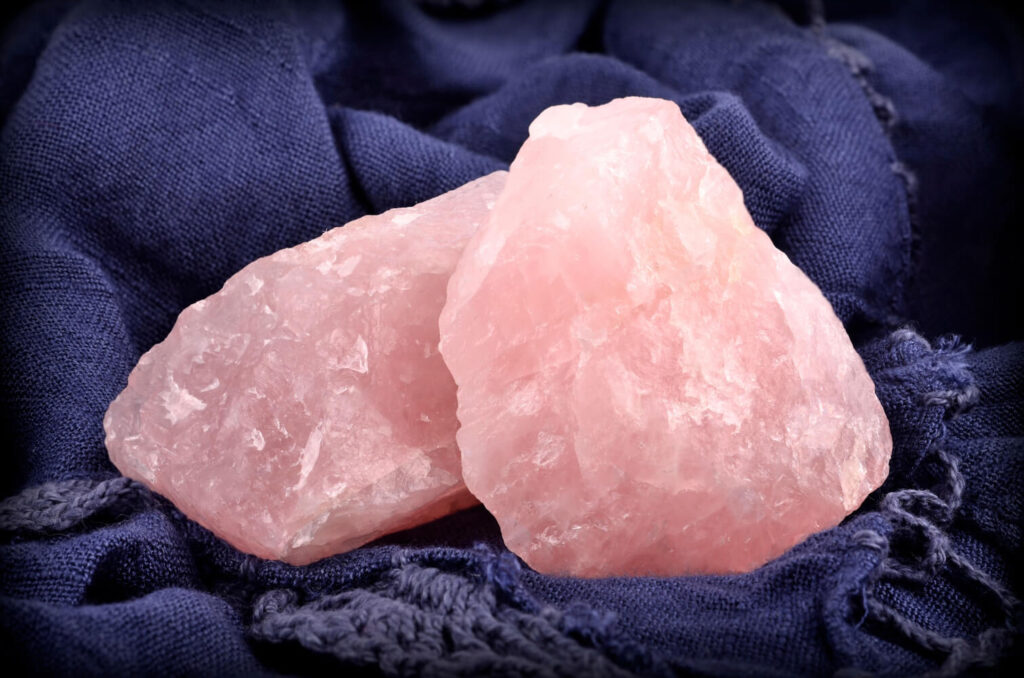
Rose quartz typically forms within igneous rocks, especially in pegmatites and hydrothermal veins. Pegmatites are coarse-grained igneous rocks where rose quartz can develop during the cooling and crystallization of magma. This process occurs deep within the Earth’s crust over long geological time periods.
The pink color that makes rose quartz so special comes from trace amounts of titanium, iron, or manganese in the crystal structure. Unlike clear quartz crystals that form in perfect hexagonal shapes, rose quartz rarely forms well-defined crystals.
You’ll find rose quartz in large deposits rather than as individual crystals. This formation style is different from other quartz varieties, making rose quartz unique in the quartz family.
Physical and Chemical Properties
Rose quartz is a variety of silicon dioxide (SiO2), the same chemical compound as all quartz. You can identify it by several key properties. It ranks 7 on the Mohs scale of hardness, making it quite durable for everyday wear.
When broken, rose quartz displays a conchoidal fracture, creating smooth curved surfaces similar to broken glass. This happens because it lacks a natural cleavage plane.
The transparency of rose quartz ranges from translucent to nearly opaque. Most pieces have a cloudy appearance rather than being completely clear. Its surface has a glassy appearance when polished, reflecting light beautifully.
You’ll notice rose quartz has a vitreous luster and a density of about 2.65 g/cm³. The color ranges from very pale pink to deep rose, depending on mineral content.
Color and Composition
Rose quartz gets its lovely pink color from a few key elements. Its softness and gentle appearance make it a favorite among crystal collectors.
Cause of the Pink Color
The pink color in rose quartz comes from tiny amounts of minerals containing manganese, iron, and titanium. When these elements get trapped in the crystal structure during formation, they create the beautiful pink shade we all recognize. The intensity of color can vary from pale pink to deep rose.
Some scientists believe that microscopic fibers of a mineral called dumortierite might contribute to the color too. Interestingly, the color in some rose quartz can fade when exposed to sunlight for long periods.
The beautiful pink hue develops at high temperatures in pegmatites, where silicon and oxygen bond to form the basic quartz structure.
Common Inclusions
Rose quartz often contains various inclusions that make each piece unique. Rutile needles are among the most common inclusions, creating a star effect called asterism in some specimens when cut properly.
You might find tiny particles of hematite or ilmenite mixed within your rose quartz crystal. These iron-rich minerals can create interesting patterns or spots.
Some pieces contain liquid inclusions – tiny bubbles of fluid trapped when the crystal formed millions of years ago. These bubbles can sometimes move when the crystal is tilted!
Mica flakes occasionally appear as shimmery specks that catch the light beautifully.
Geographical Locations
Rose quartz can be found in several places around the world. These beautiful pink crystals form in different geological settings, with some of the most significant deposits located in Brazil and the United States.
Rose Quartz Deposits in Brazil
Brazil is home to some of the world’s finest rose quartz, particularly in the state of Minas Gerais. This region is famous for its exceptional mineral wealth and diverse gemstone deposits.
In Minas Gerais, rose quartz typically occurs in pegmatite formations. These are coarse-grained igneous rocks that form during the final stages of magma crystallization.
When you visit Brazilian mining areas, you’ll notice that many rose quartz specimens have excellent clarity and a delicate pink color. The quality makes Brazilian rose quartz highly sought after for both collectors and healing practitioners.
Some Brazilian deposits also yield rose quartz in hydrothermal veins, where the mineral forms as hot water solutions cool within cracks in the surrounding rock.
Notable Sources in South Dakota
The Black Hills of South Dakota are another important source of rose quartz. In fact, rose quartz is the official state mineral of South Dakota!
You can find rose quartz throughout the southern Black Hills, where it’s associated with the Harney Peak granite mass. These deposits typically occur in pegmatite formations.
South Dakota rose quartz often appears in a more massive form rather than as clear crystals. The color ranges from pale pink to deep rose, depending on the specific location.
When you explore these areas, you’ll discover that many South Dakota specimens have a cloudy or milky appearance, which gives them a unique charm compared to rose quartz from other regions.
Mining and Extraction
Rose quartz is extracted using both open-pit and underground mining techniques. The beautiful pink stone is found in specific geological formations that require careful extraction methods to preserve its quality.
Pegmatites and Hydrothermal Veins
Rose quartz commonly occurs in pegmatites, which are coarse-grained igneous rocks formed during the final stage of magma crystallization. You’ll find the finest specimens in the quartz cores of these pegmatites. These formations develop at high temperatures and contain large crystals.
Hydrothermal veins also host rose quartz deposits. These veins form when mineral-rich hot water flows through cracks in existing rock formations and deposits minerals as it cools.
To extract rose quartz, miners use techniques like drilling, blasting, and careful hand extraction. After mining, the rough stone undergoes processing that includes washing, sorting, and cutting to prepare it for commercial use.
Mining in Minas Gerais, Brazil
Minas Gerais in Brazil is world-famous for its exceptional rose quartz deposits. This region produces some of the most vibrant pink specimens available on the market.
The Sapucaia Mine near Galiléia is particularly notable for yielding high-quality rose quartz. Miners work in challenging conditions to extract these precious stones from the Brazilian soil.
In the Laranjeiras area, you’ll find both open-pit and underground operations. Brazilian mining techniques often combine modern machinery with traditional hand-extraction methods to preserve the integrity of the crystals.
Many Brazilian mines are family-operated businesses that have passed mining knowledge down through generations. You can visit some sites as a tourist to witness the fascinating extraction process firsthand.
Rose Quartz in Jewelry and Design
Rose quartz has become a popular material in jewelry and home decor due to its gentle pink color and affordable price point. Its versatility allows it to be shaped into various forms for different uses.
Popular Rose Quartz Jewelry Pieces
Rose quartz jewelry comes in many beautiful forms. Beads are among the most common, dating back to ancient times—with evidence of rose quartz beads from 7000 BC found in Mesopotamia (modern-day Iraq).
Necklaces and Pendants: Heart-shaped rose quartz pendants are especially popular as gifts. You might find these on silver or gold chains, often symbolizing love and friendship.
Rings and Earrings: You’ll see rose quartz cabochons (polished, unfaceted stones) set in rings and earrings. These smooth, dome-shaped stones showcase the stone’s cloudy pink color beautifully.
Bracelets: Rose quartz beaded bracelets are common in both fashion jewelry and wellness accessories. You can find them as:
- Single strand beaded designs
- Multi-strand statement pieces
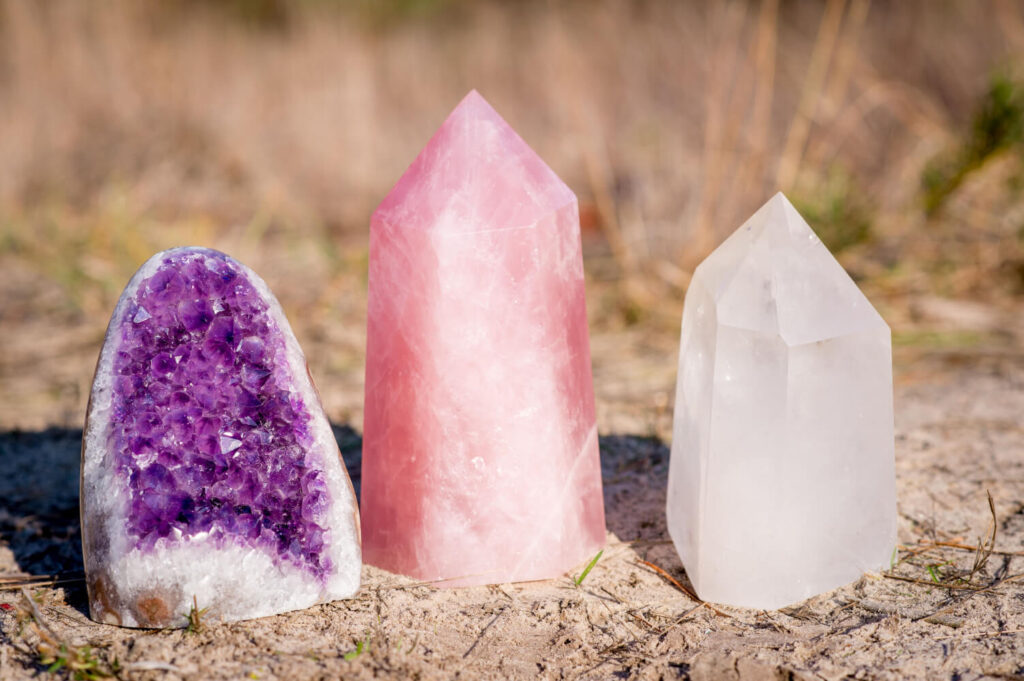
- Combined with other crystals like clear quartz or amethyst
Care and Maintenance for Rose Quartz Products
Rose quartz is relatively durable but requires some care to maintain its beauty. With a hardness of 7 on the Mohs scale, it’s sturdy enough for daily wear but can still scratch.
You should clean your rose quartz jewelry with mild soap and warm water. Avoid harsh chemicals and ultrasonic cleaners that might damage the stone.
Store your rose quartz pieces separately from harder gemstones to prevent scratching. Soft pouches or lined jewelry boxes work well for this purpose.
Direct sunlight can fade rose quartz over time, so you’ll want to keep your pieces away from windowsills or direct light when not wearing them. This is especially important for deeper colored specimens.
When wearing rose quartz bracelets or rings, remove them before swimming or using household cleaners to preserve their finish and color.
Metaphysical Properties and Usage
Rose quartz is widely celebrated for its gentle energy and healing properties. This pink crystal has a long history of use in spiritual and metaphysical practices that continue today.
Crystal Healing with Rose Quartz
Rose quartz is often called the “Love Stone” because it works directly with your heart chakra. When you place it on your chest during meditation, it may help release emotional blockages and promote self-love.
Many crystal healers suggest using rose quartz to:
- Balance emotional health
- Relieve stress and tension
- Support heart and circulatory system function
- Foster inner healing
You can use rose quartz in various forms. Tumbled stones are perfect for carrying in your pocket. Larger pieces work well in your home to create a loving atmosphere. Star Rose Quartz, a rare variety with star-like patterns, is especially prized for its amplified healing properties.
Rose Quartz in Modern Spirituality
In today’s spiritual practices, rose quartz remains incredibly popular. You might find it in meditation spaces, yoga studios, and healing centers worldwide.
Many people create crystal grids with rose quartz to promote love and harmony in their homes. Others place it near their bed to encourage peaceful sleep and loving dreams.
Modern spiritual practitioners often combine rose quartz with other stones for enhanced effects. For example, pairing it with clear quartz may amplify its loving energy.
You can also use rose quartz in your self-care routine. Try placing it in your bath water or holding it during difficult conversations to maintain a sense of compassion and understanding.
Caring for Your Rose Quartz
Your rose quartz needs some special attention to maintain its beautiful pink color and energy. With proper care, this crystal can remain a stunning addition to your collection for many years.
Cleaning and Storing
To clean your rose quartz, use warm, soapy water and a soft cloth. Avoid ultrasonic or steam cleaners as these can damage the crystal’s structure. Simply soak the stone in mild soapy water for a few minutes, then gently wipe it clean.
After cleaning, rinse your crystal thoroughly with clean water to remove any soap residue. Pat it dry with a soft, lint-free cloth rather than air-drying to prevent water spots.
Store your rose quartz away from other harder gemstones to prevent scratches. A soft pouch or lined jewelry box works perfectly. If you have multiple crystals in your mineral collection, consider keeping them separated by fabric dividers.
Don’t store your rose quartz in direct sunlight for long periods. A cool, dark place is ideal for maintaining its energy and appearance.
Preventing Fading and Damage
Rose quartz is photosensitive, which means its lovely pink color can fade with prolonged exposure to sunlight. Keep your crystal away from windowsills and other sunny spots in your home.
Temperature changes can also harm your rose quartz. Avoid leaving it in hot cars or near heating vents. Extreme heat may cause internal stress that leads to cracks or fractures in your crystal.
Be careful when wearing rose quartz jewelry during activities like cleaning, swimming, or exercising. Remove your jewelry before using household chemicals or swimming in chlorinated pools.
If you display your rose quartz as part of your mineral collection, rotate its position occasionally to ensure even exposure to light. This helps maintain its color uniformity and prevents uneven fading.
Collecting and Appreciating Rose Quartz
Rose quartz is a popular choice for both new and experienced mineral collectors. Its soft pink color and widespread availability make it an excellent starting point for anyone interested in crystals.
Starting a Mineral Collection
You can begin your rose quartz collection with just a few small specimens. Look for pieces that catch your eye at local rock shops, mineral shows, or even some specialty grocery stores that sell South American goods.
For fieldwork, the Black Hills region in South Dakota is a great place to find rose quartz in the United States. Many public lands allow responsible rockhounding.
Beginner’s Checklist:
- Small display case or shelf
- Specimen labels (note location and date found)
- Small cloth for cleaning
- Magnifying glass for examining details
Consider joining a local mineral club to learn from experienced collectors and participate in group field trips to collection sites.
Identifying High-Quality Specimens
When selecting rose quartz, look for pieces with rich, even color. The best specimens show a uniform pink throughout without too many cracks or inclusions.
Quality Indicators:
- Color: Deep, consistent pink (not pale or spotty)
- Clarity: Fewer fractures and inclusions
- Size: Larger pieces often command higher prices
- Form: Crystalline forms are rarer and more valuable than massive forms
Crystallized rose quartz is particularly prized as it’s much rarer than the common massive form. You’ll know it by its distinct crystal formations rather than the typical opaque chunks.
Remember not to use your rose quartz internally – it’s for external use only when using for decorative or metaphysical purposes.