
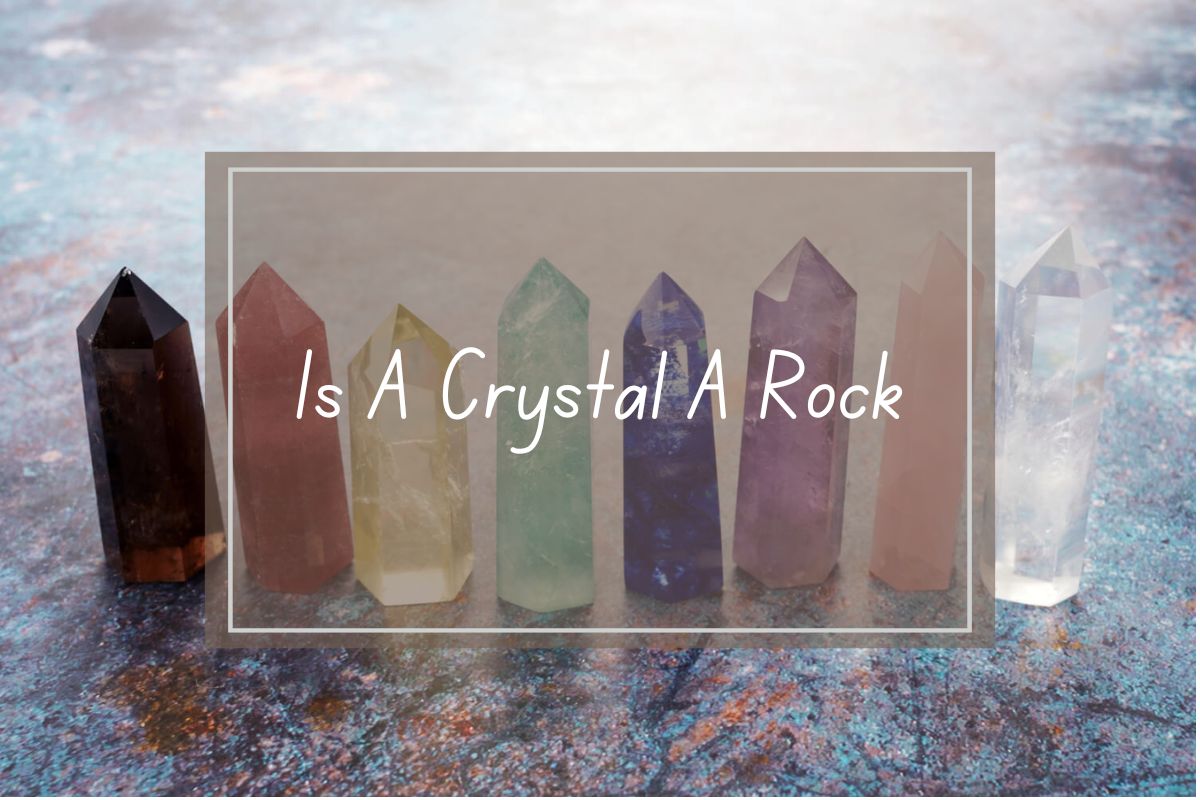
Have you ever picked up a shiny crystal and wondered if it’s actually a rock? Many people mix up these terms, but they’re quite different. Let me clear up the confusion for you.
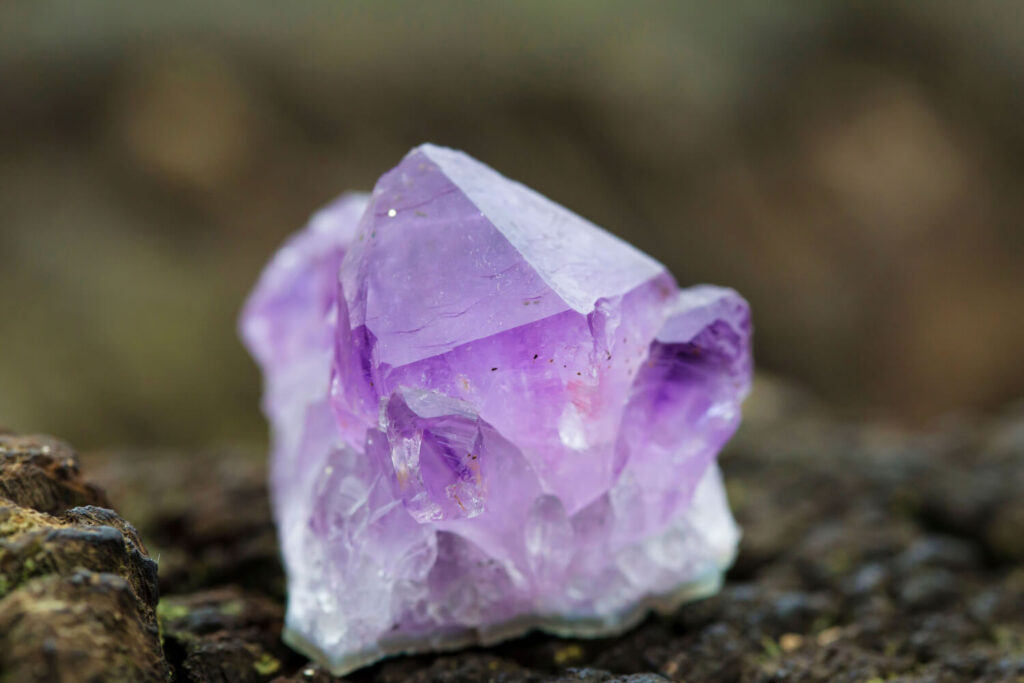
A crystal is not a rock – it’s actually a specific arrangement of atoms within a mineral that creates geometric shapes and patterns. When you look at a crystal, you’re seeing the outer shape of how atoms line up inside. Think of quartz crystals with their six-sided points or fluorite with its perfect cube shapes.
You can spot crystals as part of rocks since rocks are made up of one or more minerals stuck together. For example, when you look at granite, you might see sparkly bits – those are individual crystal structures of minerals like quartz, feldspar, and mica all mixed into one rock.
What is a Crystal?
Crystals are solids with atoms arranged in organized, repeating patterns. The way these atoms line up creates the beautiful shapes and unique properties that make crystals special.
Defining Crystals
A crystal is a solid material where atoms line up in a specific pattern that repeats over and over. Think of it like building blocks stacked neatly in rows. You can find crystals in nature, like quartz and amethyst, or make them at home with materials like sugar or salt.
Unlike rocks, which contain multiple minerals mixed together, a single crystal has the same internal structure throughout. Some popular crystals you might recognize are garnet’s deep red crystals and lapis lazuli’s bright blue ones.
Crystalline Structure
The neat arrangement of atoms in a crystal creates its shape and properties. When atoms join together, they form one of seven basic crystal patterns. These patterns determine things like:
- How the crystal grows
- What shape it takes
- How light bounces off it
- How strong it is
You can often spot crystals by their flat faces and sharp edges. Quartz crystals, for example, form six-sided points because of their internal structure. Some crystals form cubes, while others make pyramids or columns.
Comparing Crystals and Rocks
Crystals and rocks each have distinct features that set them apart. The main differences lie in their structure, makeup, and how they form in nature.
Composition and Formation
A rock is made up of two or more minerals mixed together. You can think of rocks as nature’s mixture of different mineral ingredients.
Crystals have neat, organized patterns in their structure. When you look at a crystal, you’ll notice smooth faces and geometric shapes. These form when minerals grow slowly under the right conditions.
Rocks don’t show this same organized pattern. Your rock samples might contain bits of crystal, but the minerals are usually scattered randomly throughout.
Some rocks, like granite, have visible crystal pieces inside them. You can spot these sparkly bits, but the whole rock itself isn’t a crystal.
Formation types:
- Rocks: Form through heat, pressure, or mineral deposits
- Crystals: Grow when minerals stack in repeating patterns
A single mineral can form both rocks and crystals. You might find quartz as a clear crystal or as part of a granite rock.
Identifying Types of Rocks
Rocks form in three main ways, and each process creates unique features that make them easier to spot. Looking at color, texture, and patterns will help you recognize what kind of rock you’ve found.
Igneous Rocks
Igneous rocks come from cooled magma or lava. You can spot them by their sparkly crystals or glassy texture.
Common Features:
- No layers or bands
- Crystals that shine and sparkle
- Hard and dense feeling
Granite is one of the most common igneous rocks you’ll find. It has black, white, and pink specks mixed together.
Some igneous rocks have bubbles frozen inside them from when they were liquid hot. These holes make the rocks look like swiss cheese!
Sedimentary Rocks
Sedimentary rocks form when bits of sand, shells, and other materials get pressed together over time.
Key Traits:
- Visible layers or stripes
- Might contain fossils
- Often crumbly or soft
Limestone is a popular sedimentary rock made from old sea creatures. You can sometimes see tiny shell pieces in it.
These rocks often have flat layers that look like the pages of a book stacked together.
Metamorphic Rocks
Heat and pressure change other rocks into metamorphic rocks. This process creates unique patterns and textures.
Look For:
- Bands or swirls of color
- Shiny or sparkly surface
- Very hard and dense
Marble started as limestone before heat changed it. You can spot it by its smooth feel and wavy patterns.
Quartzite forms when sandstone gets squeezed and heated. It’s super hard and often has a sugary texture.
Crystal Formation Processes
Crystals form through organized patterns of atoms that create specific geometric shapes. The formation happens when atoms join together in tight, repeating arrangements.
Natural Occurrence
Inside Earth’s crust, crystals grow when hot liquids cool down and atoms start to connect. Most natural crystals take thousands or even millions of years to form.
You can find crystals growing in caves, where mineral-rich water drips and evaporates. The water leaves behind dissolved minerals that slowly build up into crystal shapes.
Underground areas with volcanic activity create perfect spots for crystal growth. Heat and pressure help atoms line up into crystal patterns.
Inorganic Processes
When you heat up certain materials and let them cool slowly, they form crystals. This happens because atoms need time to arrange themselves in regular patterns.
Water plays a big role in crystal formation. As water with dissolved minerals evaporates, the minerals get left behind and stack up into crystal shapes.
Some crystals form when hot gases cool down and turn solid. The molecules link together in specific ways to make geometric patterns.
You can see this process in action when water freezes into ice crystals or when salt water dries up, leaving behind cubic salt crystals.
Types of Minerals
Minerals come in two main groups based on their chemical makeup. They are found all over Earth’s crust and play a big role in making rocks and crystals.
Silicate Minerals
Silicate minerals make up about 90% of Earth’s crust. You can find these minerals in many common rocks and gems that you see every day.
Quartz is one of the most common silicate minerals. You’ll spot it easily in its clear crystal form or as a white mineral in granite.
Feldspar comes in different colors like pink, white, and gray. You might see it in granite countertops or garden stones.
Non-Silicate Minerals
These minerals don’t contain silicon and oxygen as their main ingredients. You’ll find them in many pretty gems and useful minerals.
Calcite feels soft and breaks easily. You can find it in limestone and marble.
Pyrite looks like gold with its shiny, metallic surface. You might know it as “fool’s gold.”
Fluorite comes in beautiful purple, green, and blue colors. You can often spot it in rock collections and jewelry.
These minerals have many uses in your daily life, from building materials to electronics.
Rocks vs. Gemstones
Rocks and gemstones have key differences in their makeup and uses. Rocks are mixtures of minerals that form naturally, while gemstones are specially chosen and cut minerals prized for their beauty.
Understanding Gemstones
When you look at a gemstone like amethyst or garnet, you’re seeing a carefully selected and shaped mineral crystal. These special stones stand out from regular rocks because of their rare colors, clarity, and ability to be polished to a bright shine.
Gemstones need to be tough enough to wear as jewelry. That’s why stones like opal and lapis lazuli work well – they can handle daily wear without breaking easily.
You can find some gemstones in their raw form inside rocks. A skilled gem cutter then shapes them into the sparkling stones you see in jewelry stores.
Common gemstone qualities:
- Natural beauty and color
- Enough hardness to polish
- Rare in nature
- Crystal-clear or attractively patterned
Red jasper and other similar stones bridge the gap between rocks and gems. While not as precious as diamonds, these semi-precious stones still make lovely jewelry pieces.
Mineral Identification
Minerals have specific traits that help you tell them apart from each other. These traits include crystal structure, hardness, and color.
Properties of Minerals
You can identify minerals by looking at their crystal structure, which shows up as flat surfaces and edges with unique angles. A hand lens helps you see these details better.
The hardness of a mineral is another key feature. You can test it by scratching the surface with common objects like a fingernail or a penny.
Color can be helpful but isn’t always reliable. Some minerals show up in many different colors due to tiny impurities mixed in.
Crystal habit – the way crystals typically grow – is another useful clue. Each mineral forms its own special shapes, like cubes, needles, or sheets.
Your best results come from checking multiple properties. One test alone might not give you the full picture, so try looking at several different features.
Industrial and Decorative Uses
Crystals and rocks serve many practical functions in modern life, from buildings to beautiful jewelry pieces. Their unique properties make them perfect for both functional and aesthetic purposes.
Building Materials
You’ll find crystals and rocks everywhere in construction. Granite countertops bring natural beauty and durability to kitchens, while marble floors add elegance to homes and offices.
These materials are incredibly strong and long-lasting. Quartz is especially popular in modern buildings because it resists scratches and stains better than other stones.
Construction companies mix crushed crystal and rock materials into cement and concrete to make them stronger. You can also spot decorative stone facades on many buildings, which protect the structure while looking beautiful.
Jewelry and Ornaments
Your jewelry box might contain several crystal pieces. Clear quartz crystals sparkle beautifully in necklaces and rings, catching light like diamonds at a fraction of the cost.
New Age enthusiasts love wearing crystal jewelry for both beauty and spiritual purposes. Lazurite’s deep blue color makes stunning pendants, while hematite’s metallic shine creates eye-catching bracelets.
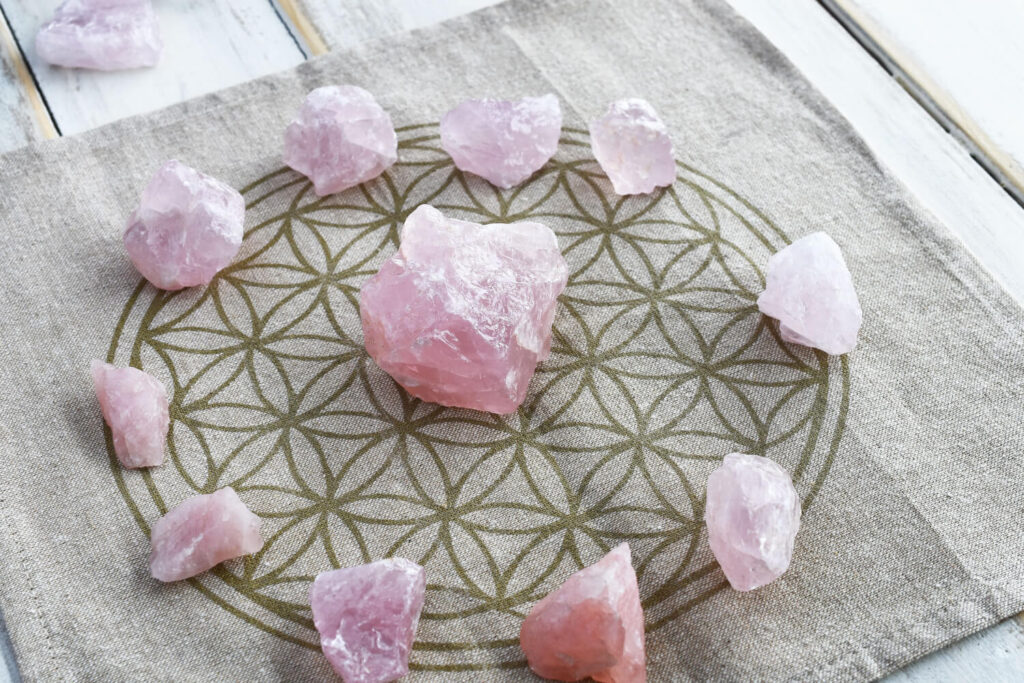
You can display larger crystal specimens as home decorations. Many people collect raw crystals or polished stones to place on shelves or tables. These natural showpieces bring color and texture to any room.
Crystal clusters make popular bookends and paperweights. Their natural geometric shapes create interesting focal points in office spaces or living rooms.
Privacy and Personal Data in Crystal Commerce
Crystal Commerce handles personal data with strict security measures and gives you control over your information. They follow data protection laws and respect consumer privacy rights when managing online stores.
Data Protection Laws
Crystal Commerce follows rules about personal data in every country where they operate. Your personal information gets special protection through their security systems. This includes your name, address, and shopping details.
You can trust that Crystal Commerce keeps your data safe. They use secure methods to handle information from customers, suppliers, and store owners.
Analytics and targeted ads follow strict privacy guidelines. Crystal Commerce makes sure advertising partners follow the same rules about protecting your data.
Consumer Privacy Rights
You have full control over your personal information in Crystal Commerce stores. The platform gives you choices about sharing your data and getting personalized web experiences.
You can change your privacy settings anytime. These controls let you pick what information gets shared with stores and advertising partners.
Crystal Commerce lets you see what personal data they collect. You can request changes or removal of your information when needed.
Your rights under laws like CPRA are protected. This means you can opt out of targeted advertising and data sharing if you want to.
Understanding Cookie Usage
When you browse websites, small text files called cookies get stored on your computer to help sites remember your preferences and activity.
Types of Cookies
Strictly necessary cookies keep websites working properly. These cookies let you log in to accounts and use shopping carts.
Performance cookies track how you use websites. They count visitor numbers and show which pages are popular. This helps make sites better.
Third-party cookies come from other companies besides the site you’re visiting. Advertising networks often use these to show you relevant ads across different websites.
Some cookies stay on your device until you delete them. Others disappear when you close your browser.
You can control cookies in your browser settings. Most browsers let you block third-party cookies or clear all cookies when you want.
Remember to check website privacy policies to learn how they use cookies. Many sites now ask for your permission before setting non-essential cookies.