
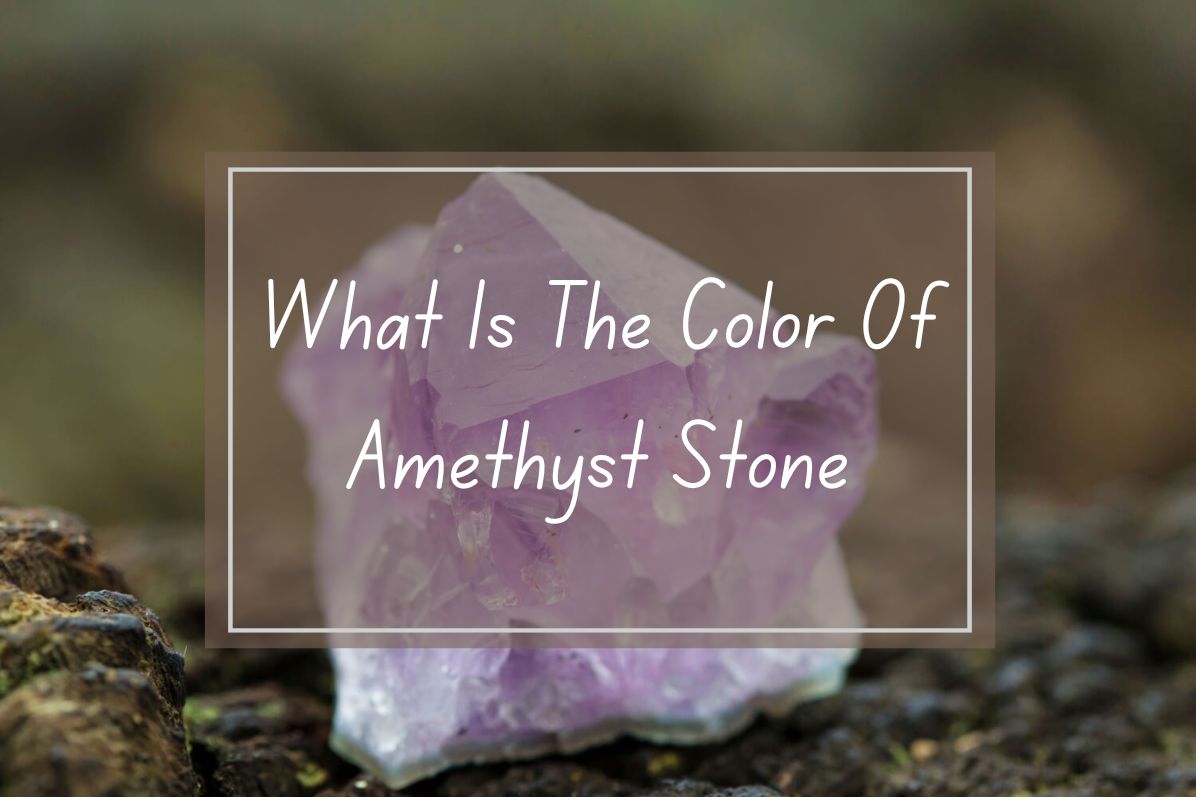
Amethyst, a stunning variety of quartz, catches everyone’s eye with its magical purple sparkle. This fascinating gemstone displays colors ranging from soft lilac and lavender to deep, rich purple with hints of red and blue tones. Your jewelry collection gets an instant upgrade when you add this eye-catching stone.
You might be surprised to learn that amethyst has been treasured for over 2,000 years. As the birthstone for February, this purple beauty brings both style and meaning to any piece it graces. The stone’s clarity and depth make it stand out among other gems, making it a top choice for jewelry lovers worldwide.
When you look at a high-quality amethyst, you’ll notice its perfect blend of red and blue that creates that signature purple hue. The most valuable pieces show deep, rich purple colors with no variations throughout the stone. Whether set in a ring, necklace, or bracelet, amethyst’s royal purple shade adds elegance to any style you choose.
History and Symbolism of Amethyst
The deep purple amethyst stone has played a special role in human culture for thousands of years. Ancient civilizations treasured this gem for its beauty and believed it held powerful protective qualities.
Historical Significance
People have used amethyst in jewelry and decorative items since ancient times. The earliest known amethyst jewelry dates back to 8th century BCE, shown by inscriptions found on ancient stones.
Purple was once a rare and expensive color, making amethyst highly sought after by royalty and nobles. Kings and queens wore amethyst crowns and rings as symbols of their power and wealth.
The stone was also popular in religious contexts. Bishops and other church leaders wore amethyst rings to show their connection to the divine.
Amethyst in Culture and Lore
Ancient Greeks linked amethyst to Dionysus, their god of wine. They believed wearing the stone would protect you from getting drunk.
Many cultures thought amethyst had special protective powers. People wore it to guard against evil and bring good fortune.
You’ll find amethyst in stories across many cultures. Some believed it could:
- Help you think more clearly
- Bring peace of mind
- Guard against nightmares
- Attract good luck
The stone remains popular in modern jewelry. Today, you might wear it as your February birthstone or simply because you love its rich purple color.
Physical and Chemical Properties
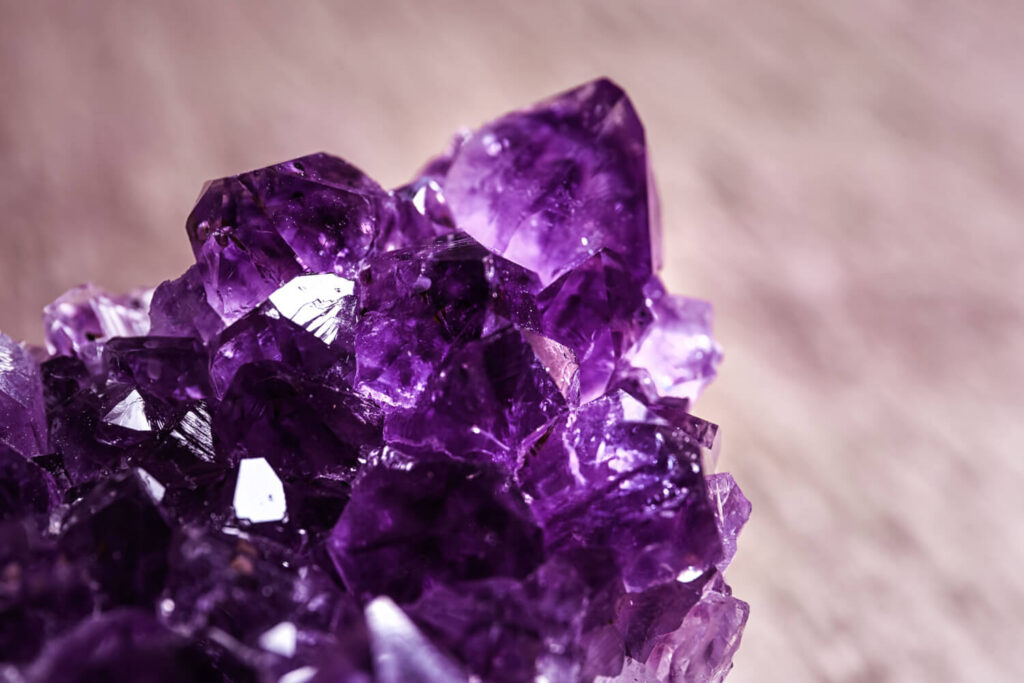
Amethyst gets its famous purple color from iron impurities and radiation exposure within its crystal structure. This beautiful gemstone has a complex set of properties that make it both durable and valuable.
Crystal Structure
Your amethyst stone belongs to the trigonal crystal system and forms six-sided crystals with pointed terminations. You can often spot these hexagonal prisms in natural amethyst specimens. The crystals have a hardness of 7 on the Mohs scale, making them quite resistant to scratches.
When you look closely at an amethyst, you might notice its glassy luster and transparent to translucent appearance. The stone can show color zoning, with some areas appearing deeper purple than others.
Mineral Composition
Your amethyst is made of silicon dioxide (SiO₂), just like other quartz varieties. The purple color comes from iron impurities and exposure to natural radiation in the earth. Iron atoms replace some of the silicon atoms in the crystal structure.
The amount of iron and radiation exposure affects how deep the purple color becomes. Some amethysts might contain tiny amounts of manganese, which can also influence the final color.
The stone has perfect cleavage and typically breaks with a conchoidal fracture pattern, similar to broken glass.
Varieties of Amethyst
Amethyst comes in many beautiful forms, from rich purple shades to special varieties found in different parts of the world. You’ll find these gems range from light lavender to deep reddish-purple hues.
Color Varieties
The most valuable amethysts show a strong reddish-purple color that sparkles in any light. You’ll see some stones with a light lavender tint that gives them a soft, dreamy look.
Deep purple amethysts are highly sought after, especially when they maintain their color without appearing too dark. These rich stones often come from special deposits in Brazil and Africa.
Some amethysts display interesting color zones, with bands of lighter and darker purple. While this can create unique patterns, the most prized stones show even coloring throughout.
Regional Varieties
Brazilian amethysts are famous for their deep purple colors and large geodes. You’ll often find these impressive specimens in the Rio Grande do Sul region.
Zambian amethysts have earned a special reputation for their rich, vivid purple hues. These African gems typically show stronger coloring than those from other locations.
Your local gem dealer might also show you specimens from:
- Uruguay: Known for giant amethyst geodes
- Mexico: Produces crystals with unique reddish undertones
- Canada: Home to some beautiful light purple varieties
The best quality stones often come from geodes, where the crystals have room to grow into clear, well-formed points.
Formation and Sources
Amethyst forms through amazing natural processes deep within the Earth, creating beautiful purple crystals you can find in many parts of the world today.
Geological Formation
Water seeps into cracks and empty spaces in rocks, bringing dissolved silica and iron compounds with it. When these minerals crystallize, they form amethyst’s distinct six-sided crystal shape. The iron gives amethyst its purple color.
These crystals often grow in volcanic rocks, especially in spaces called geodes. Heat and pressure play big roles in crystal growth. The process can take thousands or even millions of years.
You’ll find most amethyst crystals growing in layers against rock walls. Each layer builds up slowly, creating bands of color from light to dark purple.
Primary Mining Locations
Brazil leads the world in amethyst production. The Rio Grande do Sul region has some of your best chances to find high-quality stones. The Anahi Mine in Bolivia produces rare ametrine, a mix of amethyst and citrine.
Other important places where you can find amethyst include:
- Uruguay’s northern regions
- Zambia’s copper belt
- Madagascar’s central areas
- South Korea’s volcanic zones
Many mines work in open pits where geodes are easy to reach. Some tunnels go deep underground to find the best crystals.
Evaluating Amethyst Quality
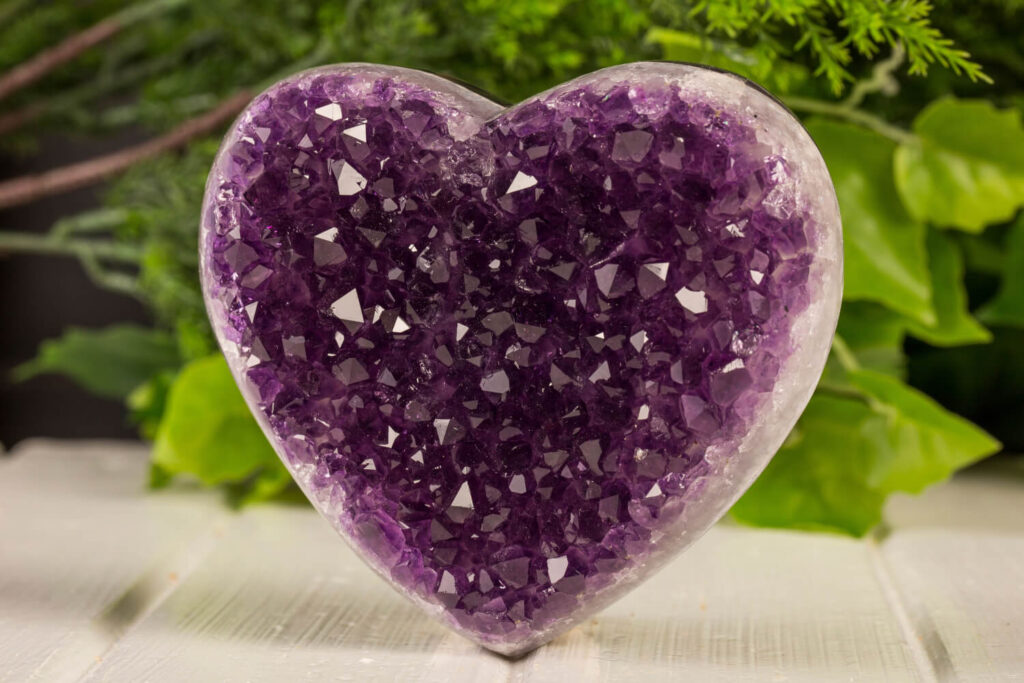
The quality of an amethyst depends on three main factors that affect its beauty and value. A high-quality amethyst displays rich purple color, excellent clarity, and expert cutting that brings out its best features.
Color and Saturation
The most valuable amethysts show a deep purple color with hints of blue or red. You’ll want to look for stones with even color distribution throughout.
The best amethysts have medium to medium-dark tone – not too light or too dark. Very dark stones can look black in low light.
Color zoning, where you see patches of lighter and darker purple, reduces an amethyst’s value. Look for stones with consistent coloring from all angles.
Natural amethyst ranges from pale lilac to deep royal purple. The most prized stones show a rich, saturated purple that’s vivid but still transparent.
Clarity and Inclusions
A high-quality amethyst should be eye-clean, meaning you can’t see any inclusions without magnification. Hold the stone up to bright light to check for clarity.
Small inclusions are normal in amethyst but shouldn’t be obvious to the naked eye. Common inclusions include:
- Tiny crystals
- Liquid bubbles
- Small fractures
- “Fingerprints”
Some inclusions can create interesting effects like color play. But large, dark, or obvious flaws reduce both beauty and value.
Cut and Shape
A well-cut amethyst sparkles brightly and shows off its color. The most popular cuts include:
- Oval
- Round
- Cushion
- Pear
The cut should be symmetrical with no rough spots. Facets must be crisp and properly aligned to reflect light.
Watch for stones that are too shallow or too deep. A good cut balances the stone’s natural color with maximum brilliance.
Your amethyst should look bright and lively, not dull or lifeless. The right cut can make even lighter-colored stones appear more vibrant.
Amethyst Treatments
Different treatments can change the color of your amethyst stone to create exciting new variations. Common methods focus on altering the natural purple shades.
Heat Treatment
Heat treating amethyst changes its purple color in interesting ways. When you heat amethyst to around 450°C, it turns yellow or orange-brown, creating citrine. Some amethysts become green when heated, making a stone called prasiolite or “green amethyst.”
Not all heat treatments work the same way. The results depend on your specific amethyst’s iron content and natural coloring. Very dark purple stones often become lighter with heat.
Heat treatment is permanent, so your stone’s new color won’t fade over time. Many jewelers use this process to create more variety in amethyst jewelry.
Irradiation
Irradiation makes amethyst’s purple color deeper and richer. This process uses gamma rays or electron beams to change the stone’s crystal structure.
Your amethyst might start as pale lavender before treatment. After irradiation, it can show beautiful deep purple tones that look more valuable.
The color from irradiation stays stable in normal conditions. You won’t need special care to maintain your irradiated amethyst’s enhanced color.
Some gem labs can detect if your stone has been irradiated. This treatment is safe and common in the jewelry market.
Amethyst Jewelry and Design
The rich purple hues of amethyst make it a versatile gemstone that works beautifully in many jewelry styles. This gem adds elegance to both casual and formal pieces.
Popular Jewelry Types
Amethyst rings are among the most sought-after pieces, often featuring the stone as a stunning centerpiece. You’ll find solitaire rings with stones ranging from 1 to 5 carats that really showcase the gem’s natural beauty.
Amethyst beads create gorgeous necklaces and bracelets. Their natural luster catches light beautifully when strung together.
Popular amethyst jewelry pieces include:
- Pendant necklaces
- Drop earrings
- Tennis bracelets
- Cocktail rings
- Stud earrings
Choosing Amethyst Jewelry
Look for stones with even, rich purple coloring without brown tints. The best pieces will show off the gem’s natural sparkle under both natural and artificial light.
When picking a ring, consider your lifestyle. Larger stones might catch on clothing, while smaller ones are more practical for daily wear.
Tips for selecting quality pieces:
- Check that settings are secure
- Look for bright, clear stones
- Choose metals that complement the purple tones
- Make sure the size fits your style preferences
Think about the occasions where you’ll wear your amethyst jewelry. Smaller pieces work well for everyday use, while statement pieces make great special event accessories.
Amethyst Care and Maintenance
Taking care of your amethyst is simple and helps keep its purple color bright and beautiful. Your stone can last for many years with proper care.
Keep your amethyst away from direct sunlight and extreme heat. Too much sun exposure can make the purple color fade over time.
Cleaning tips for your amethyst:
- Use warm water and mild soap
- Clean with a soft brush or cloth
- Rinse well with clean water
- Pat dry with a soft cloth
Don’t use harsh chemicals or cleaners on your amethyst. These can damage the stone’s surface and affect its shine.
Store your amethyst pieces separately from other jewelry to prevent scratches. While amethyst is pretty durable at 7 on the hardness scale, it can still get scratched by harder stones.
You can safely clean your amethyst jewelry in an ultrasonic cleaner, unless the stone has been dyed or treated. If you’re not sure, stick to gentle hand cleaning.
A fabric-lined jewelry box works great for storing your amethyst pieces. Make sure to keep them in a cool, dry place away from heat and moisture.
Spiritual and Healing Properties
Amethyst brings powerful spiritual energy and offers protection while connecting you to higher realms of consciousness. People love this purple crystal for its calming vibes and deep spiritual meaning.
Energy and Chakras
Your third eye and crown chakras align naturally with amethyst’s purple energy. When you meditate with this stone, it helps open your spiritual awareness and intuition.
The crystal’s high vibrations help clear negative thoughts and bring peaceful energy to your space. Many people place amethyst in their bedroom to promote better sleep and pleasant dreams.
Your meditation practice can benefit from amethyst’s ability to enhance focus and spiritual connection. Try holding the stone during quiet moments or placing it on your forehead while lying down.
Amethyst as a Birthstone
As February’s birthstone, amethyst brings special meaning to those born in this month. The stone represents wisdom and spiritual growth.
Your connection to amethyst as a birthstone can help strengthen your natural intuitive abilities. Many people wear amethyst jewelry to stay connected to its protective energy throughout the day.
The purple gem makes a meaningful gift for February birthdays. Its beauty and spiritual properties create a personal bond between you and the stone that grows stronger over time.
Amethyst Imitations and How to Spot Them
You’ll find many fake amethysts in the market, so it’s important to know what to look for when shopping. The most common imitations are glass and synthetic amethyst.
Glass imitations try to copy amethyst’s purple color, but they lack natural features. You can spot glass fakes by their too-perfect clarity and uniform purple color throughout the stone.
Synthetic amethyst is made in labs and looks very similar to real amethyst. The main difference is that natural stones show uneven color zones and tiny flaws, while synthetic ones look too perfect.
Here are key signs of genuine amethyst:
- Color varies within the stone
- Feels cool to touch
- Shows small natural flaws
- Has a hardness of 7 on Mohs scale
Warning signs of fake amethyst:
- Perfect, even color
- Warmer to touch than real stone
- No natural flaws or inclusions
- Scratches easily
Natural amethyst from South Africa often shows beautiful color zones in one crystal. This creates a unique pattern that fake stones can’t copy.
When buying amethyst, take your time to examine the stone carefully. Look for those natural variations in color and tiny flaws that make real amethyst special.