
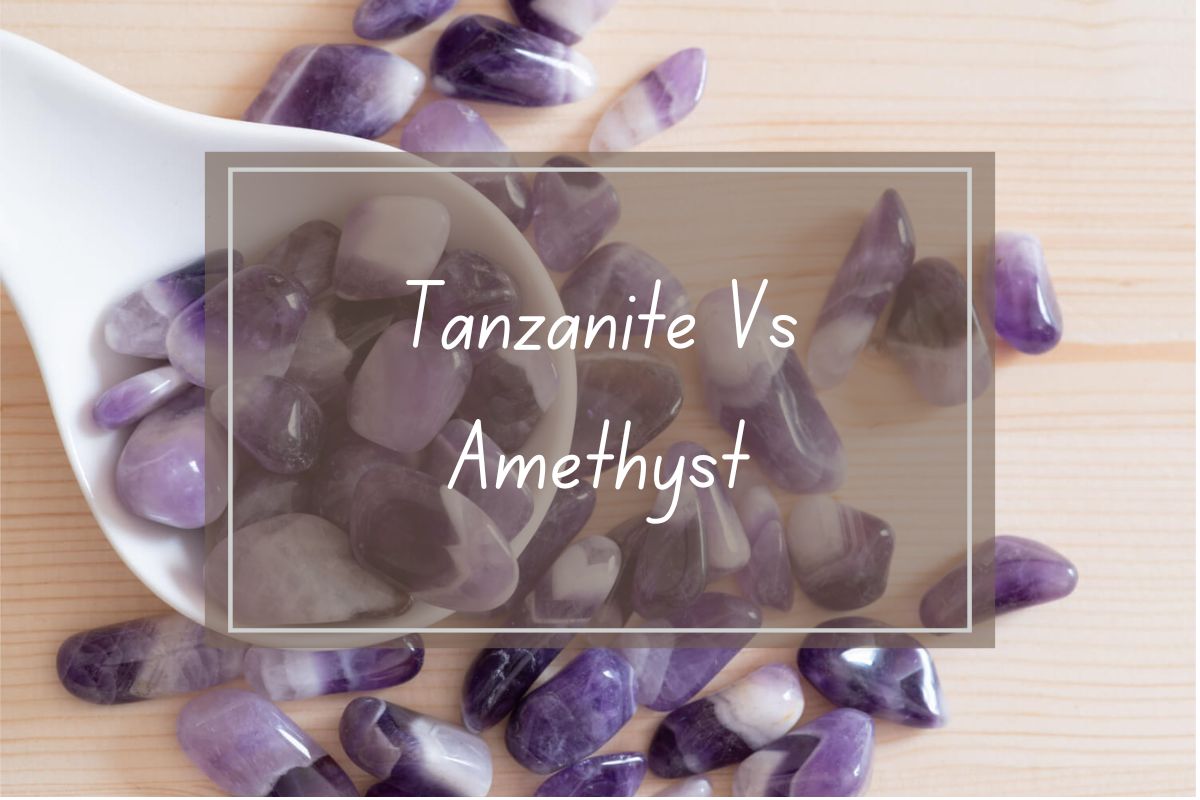
Purple gemstones can be tricky to tell apart, especially when you’re looking at tanzanite and amethyst. These beautiful stones share similar colors but have distinct features that set them apart.
Tanzanite is more valuable and rare than amethyst, with high-quality tanzanite costing $500-1000 per carat while amethyst typically sells for $20-30 per carat. This huge price difference comes from tanzanite being found only in Tanzania, while amethyst is mined worldwide.
You might notice tanzanite displays more blue tones and color shifts as you move it around, while amethyst stays consistently purple. These unique traits make tanzanite popular with collectors and jewelry lovers who want something special. Let’s explore what makes each of these stunning gems unique and help you choose the right one for your needs.
Understanding Gemstones
Tanzanite and amethyst showcase different properties that make each stone unique and beautiful in its own way. These gems differ in where they come from, how hard they are, and what colors they display.
Origin and Rarity
Tanzanite comes from only one place on Earth – the Merelani Hills near Mount Kilimanjaro in Tanzania. This makes it very rare and special. The gem was first found in 1967, making it a newcomer to the jewelry world.
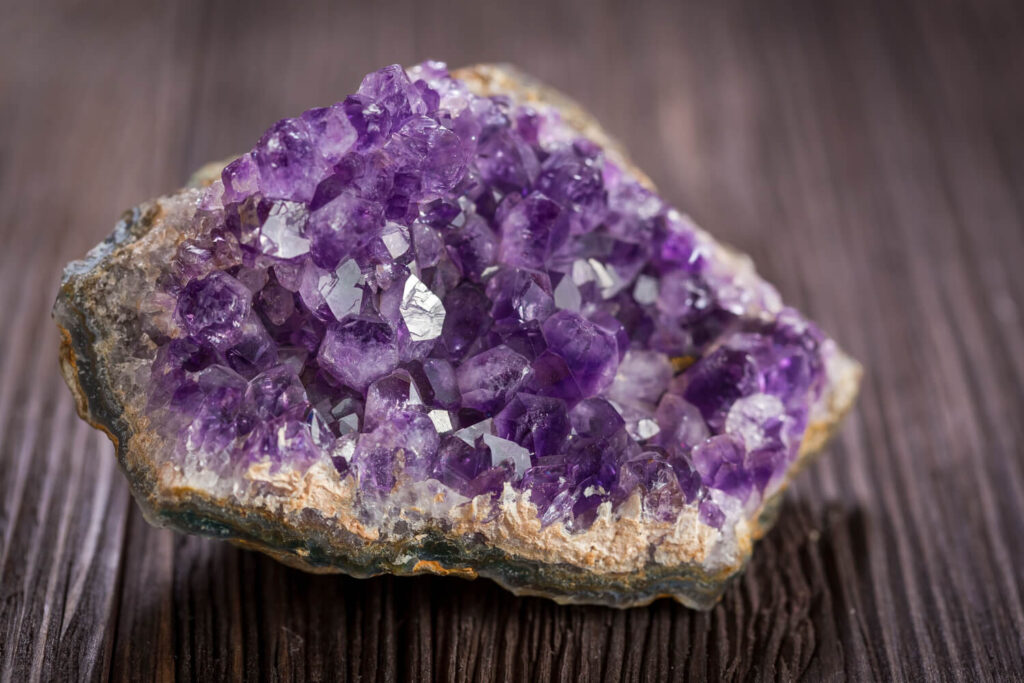
Amethyst is found in many places around the world. Brazil, Uruguay, and Zambia have large deposits of this purple variety of quartz. You can find amethyst in geodes and crystal formations.
The limited source of tanzanite makes it much rarer than amethyst. Many experts think tanzanite might run out within the next 20-30 years.
Physical and Chemical Properties
Both gems rank close together on the Mohs hardness scale:
- Tanzanite: 6.5-7
- Amethyst: 7
Tanzanite belongs to the zoisite mineral family. Its crystal structure makes it more delicate than amethyst, so you need to be extra careful when wearing it.
Amethyst is part of the quartz family. This gives it better durability for everyday wear in jewelry. You can clean it with warm soapy water without worry.
Color and Brilliance
Tanzanite shows three different colors at once, called trichroism. You might see blue, violet, and burgundy all in one stone. Most raw tanzanite starts brown and turns blue-purple when heated.
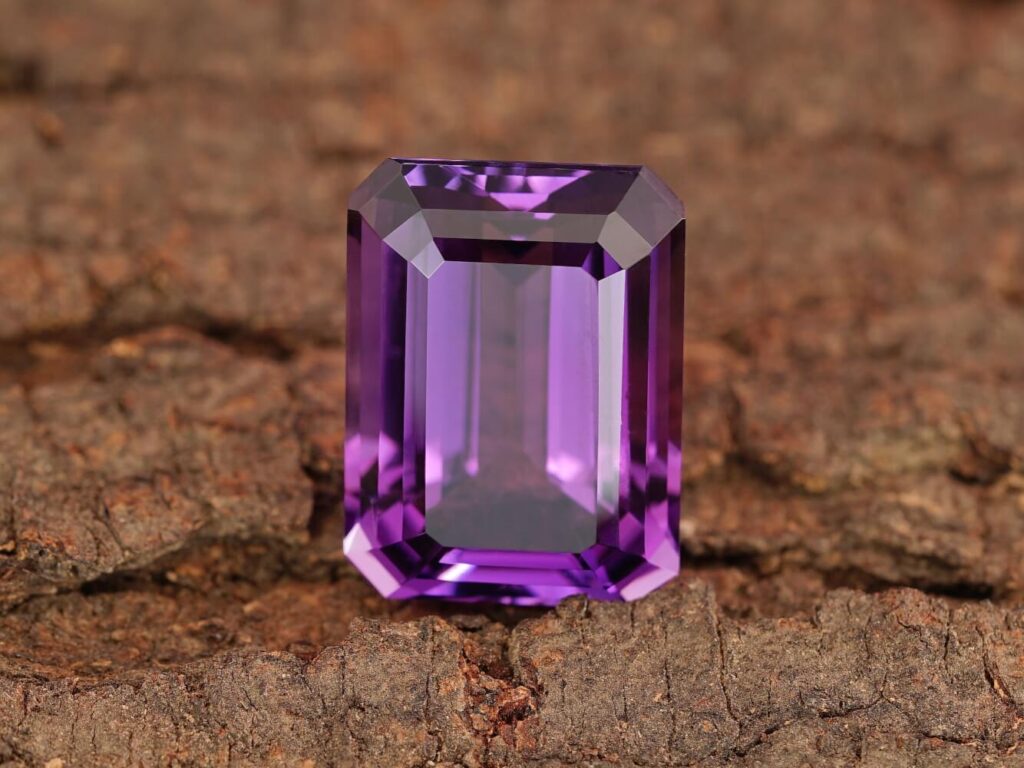
Amethyst displays shades of purple, from light lavender to deep royal purple. The best stones show rich, saturated color without being too dark.
Both gems sparkle beautifully in jewelry. Tanzanite often appears more brilliant because of its higher refractive index. The way it catches light creates more fire and flash than amethyst.
Tanzanite: The Treasure of Tanzania
Tanzanite is a stunning gemstone that changes from violet to deep blue depending on how you look at it. This rare gem exists in only one place on Earth – Tanzania.
Mining Regions
The Merelani Hills near Mount Kilimanjaro hold the world’s only tanzanite deposits. You’ll find these precious stones in a small 4-kilometer strip of land in northern Tanzania.
The Tanzanian government carefully controls mining in this area to protect this national treasure. They’ve made it illegal to export rough tanzanite to keep processing within the country.
Local miners work in both large commercial operations and smaller artisanal mines to extract these gems from the earth.
Gemological Characteristics
Tanzanite shows an amazing color-changing effect called pleochroism. When you turn the stone, you’ll see it shift between violet, blue, and burgundy tones.
Most tanzanite gets heat-treated to bring out its signature blue-violet color. This treatment is standard and permanent.
The gem ranks 6.5-7 on the Mohs hardness scale, making it suitable for rings and other jewelry. You should still handle it with care to avoid scratches.
High-quality tanzanite displays rich, saturated colors with excellent clarity. The most valuable pieces show a deep blue-violet shade that seems to glow from within.
Amethyst: The Purple Quartz
You’ll find amethyst’s rich purple color and affordable price point make it a popular choice for jewelry and crystal collections. The gem belongs to the quartz family and gets its name from the ancient Greek word “amethystos,” meaning “not drunk.”
Historical Significance
Ancient Greeks wore amethyst to prevent intoxication and bring clarity of mind. The stone’s royal purple color made it a favorite among nobility and religious leaders throughout history.
European royalty prized amethyst just as much as diamonds until large deposits were found in Brazil in the 19th century. This discovery made the gem more accessible to everyone.
As February’s birthstone, amethyst brings good fortune and protection to those born in this month. Many cultures believe it helps promote peaceful sleep and spiritual wisdom.
Physical Traits
Your amethyst may range from light lavender to deep purple, with the most valued pieces showing rich violet hues. The best specimens come from Brazil and Uruguay’s mines.
The stone ranks 7 on the Mohs hardness scale, making it durable enough for daily wear in jewelry. Look for the distinctive hexagonal crystal shape typical of the quartz family.
Natural amethyst can show color zoning, where bands of darker and lighter purple appear in the same crystal. These patterns add unique character to each stone.
Heat treatment can lighten or darken amethyst’s color. Some gems might include tiny needle-like inclusions that create interesting effects when light hits them.
Comparing Tanzanite and Amethyst
These two stunning purple gemstones have distinct traits that set them apart. Let’s explore their unique colors and physical properties to help you choose the right gem for your needs.
Color Comparisons
Tanzanite displays a remarkable blue-violet color that shifts under different lighting. You’ll notice its signature pleochroic effect, which means it can show blue, purple, and burgundy tones all at once.
Amethyst comes in shades ranging from light lilac to deep royal purple. Unlike tanzanite, it maintains its purple color consistently across different angles and lighting conditions.
Tanzanite tends to show more depth and saturation in its color, especially in larger stones. You might see flashes of blue that aren’t present in amethyst.
Hardness and Durability
Tanzanite ranks at 6-6.5 on the Mohs scale, making it a relatively soft gemstone. You’ll need to be extra careful with tanzanite jewelry during daily wear.
Amethyst is more durable, scoring 7 on the Mohs scale. This means your amethyst pieces can better withstand everyday bumps and scratches.
Due to its softness, tanzanite works best in protected settings like pendants and earrings. You should avoid wearing tanzanite rings for daily use.
For active lifestyles, amethyst makes a more practical choice. Its higher hardness means you won’t need to worry as much about damage during regular activities.
Jewelry Considerations
Both tanzanite and amethyst make beautiful jewelry pieces that can enhance your personal style. These gems work well in many settings and can be worn for different occasions.
Selecting the Right Gemstone
Tanzanite’s rich blue-purple color makes it perfect for special occasion jewelry like engagement rings and formal wear pieces. It costs more than amethyst due to its rarity, so you might want to save it for statement pieces.
Amethyst offers great value and versatility in jewelry. You can find it in everything from casual earrings to fancy necklaces at reasonable prices.
Both stones work well in white gold and sterling silver settings that bring out their purple tones. Yellow gold can also create striking contrast.
Common jewelry styles include:
- Solitaire rings
- Drop earrings
- Pendant necklaces
- Tennis bracelets
Caring for Your Jewelry
Clean your gemstone jewelry with mild soap and warm water using a soft brush. Avoid ultrasonic cleaners, which can damage these stones.
Store your pieces separately in soft cloth pouches to prevent scratches. Both gems rank around 7 on the Mohs scale, making them suitable for daily wear with proper care.
Take off your jewelry before swimming or using household cleaners. The chemicals can dull the stones’ shine.
Have your settings checked yearly by a jeweler, especially for rings. Loose prongs can lead to lost stones.
Pricing and Value
The price gap between tanzanite and amethyst is quite large, with tanzanite being much more expensive due to its rarity and limited source location.
Factors Affecting Price
Tanzanite’s price starts at about $300 per carat for lower quality stones and can reach $1,000 or more per carat for top-quality pieces. You’ll find larger stones command even higher prices because they’re so rare.
The size and color intensity of tanzanite greatly affect its cost. Stones with deep blue-purple colors are worth more than lighter ones.
Amethyst is much more budget-friendly. You can find good quality amethyst for $20-30 per carat, while premium stones might reach $100 per carat.
Investment Potential
Tanzanite makes a better investment choice because of its single mining location in Tanzania. Once these mines are depleted, the stone’s value could rise significantly.
Your tanzanite jewelry might increase in value over time, especially if you choose high-quality stones with rich colors.
Amethyst is less likely to gain value since it’s found in many locations worldwide. Still, exceptional pieces with deep purple colors can hold their worth well.
When buying either stone for investment, look for pieces with strong color saturation and excellent clarity. These qualities will always be in demand.
Metaphysical and Healing Properties
Both tanzanite and amethyst possess unique spiritual qualities that can enhance your personal growth and well-being. These gems connect deeply with your upper chakras and offer different types of energetic support.
Energy and Chakra Healing
Tanzanite works mainly with your third eye and crown chakras. It can boost your intuition and spiritual awareness during meditation practices.
When you work with tanzanite, you might notice increased psychic abilities and deeper meditation experiences. The stone’s blue-violet energy helps open your mind to higher spiritual realms.
Amethyst connects strongly to your third eye chakra, making it great for spiritual work. It creates a protective shield of energy around you while you meditate or do energy work.
Amethyst in Alternative Practices
You can place amethyst under your pillow to help with peaceful sleep and prevent nightmares. Many people use it to support addiction recovery and emotional healing.
Crystal healers often recommend amethyst for:
- Stress relief
- Mental clarity
- Spiritual growth
- Protection from negative energy
The stone works best when you hold it during meditation or wear it as jewelry near your throat or third eye chakra points.
Keep your amethyst near your workspace to maintain focus and clarity throughout your day. Regular cleansing with moonlight helps maintain its healing properties.
Identifying Genuine Stones
Both tanzanite and amethyst face imitation in the market. Learning to spot real stones helps you make smart purchases and avoid fakes.
Tips for Verification
A simple light test can help you check tanzanite’s authenticity. Hold the stone under bright light – genuine tanzanite shows rich blue and purple colors that shift as you move it.
For amethyst, look at the stone’s clarity. Real amethyst has tiny inclusions visible under magnification, while perfect clarity often signals a fake.
You can clean both stones with mild soap and water to check their surfaces. Real stones maintain their color even when wet.
Use a jeweler’s loupe to examine the cuts. Natural stones typically have slight imperfections, while synthetic ones look too perfect.
Avoiding Common Imitations
Glass and colored cubic zirconia are common fake tanzanite materials. Real tanzanite feels cool to touch and shows pleochroism – different colors when viewed from different angles.
Synthetic amethyst is made in labs and looks very similar to natural stones. Here’s how to spot fakes:
- Check for bubbles inside the stone
- Look for too-perfect color distribution
- Test the hardness (real ones can’t be scratched by a steel nail)
- Examine price (if it’s too cheap, it’s likely fake)
Ask for certification from reputable labs when buying expensive pieces. Many sellers offer grading reports for tanzanite.
Gemstone Care and Maintenance
Taking good care of your tanzanite and amethyst jewelry keeps them sparkling and prevents damage. Each stone needs special attention to stay beautiful.
Cleaning Techniques
Clean your tanzanite with warm water and mild soap. Use a soft brush to remove dirt and oils. Pat dry with a lint-free cloth.
Amethyst can be cleaned using ultrasonic cleaners, but tanzanite should never go in these devices. The vibrations might damage its delicate structure.
For both stones, you can use a jewelry cleaning solution made for colored gems. Always test it on a small area first.
Preventing Damage
Store your tanzanite and amethyst pieces separately in soft pouches or lined jewelry boxes. This stops them from scratching against other gems.
Keep your gems away from harsh chemicals and sudden temperature changes. Take off your jewelry before swimming, cleaning, or using beauty products.
Tanzanite rates 6.5-7 on the Mohs scale, making it more fragile than amethyst at 7. Remove tanzanite jewelry during rough activities.
Avoid direct sunlight for long periods. Both stones can fade if left in bright light. Never wear these gems in hot tubs or saunas.
Check your settings every few months. Loose stones can fall out and get lost. Have a jeweler inspect them yearly.
Birthstones and Astrological Significance
Both amethyst and tanzanite bring unique spiritual energy and birthstone powers to their wearers. These beautiful gems can enhance your connection to specific months and zodiac signs.
Spiritual and Birthstone Uses
Amethyst serves as the birthstone for February, making it perfect for Aquarius and Pisces signs. Its purple energy connects to your crown chakra and helps bring peace to your mind.
Tanzanite became an official December birthstone in 2002, joining turquoise and zircon. This rare blue-violet gem resonates strongly with Sagittarius energy.
Many people choose to wear these stones even if they weren’t born in February or December. The gems work well together in jewelry pieces and can boost your spiritual practice.
Choosing a Birthstone
Your birth month can guide you to pick the right stone, but trust your intuition too. Amethyst jewelry tends to be more affordable and widely available.
Tanzanite’s rarity makes it a special choice for special occasions. You’ll find it mostly in high-end jewelry stores.
Birthstone Quick Guide:
- February: Amethyst – Purple, calming, protective
- December: Tanzanite – Blue-violet, rare, transformative
Mix and match these stones in rings, necklaces, or bracelets to combine their energies. Many collectors start with amethyst before adding tanzanite to their collection.