
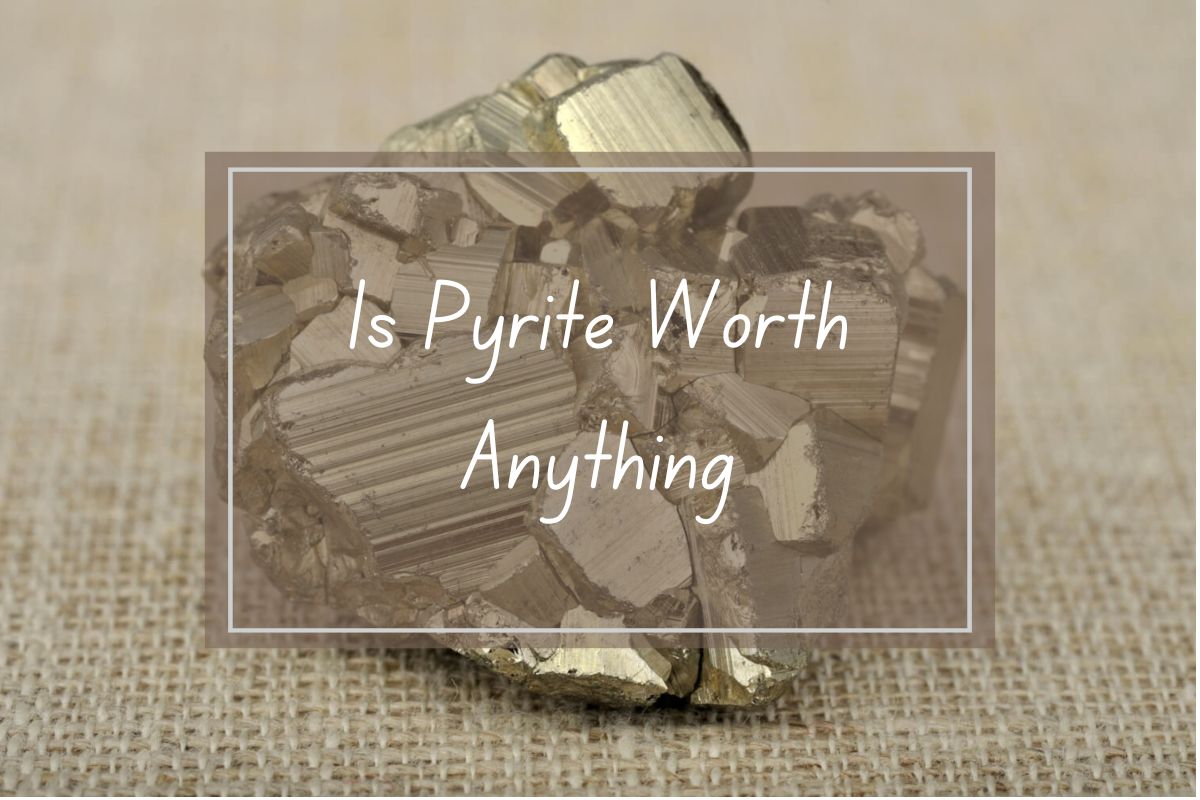
You might have seen those shiny, gold-like crystals at rock shops or in nature and wondered if they’re worth anything. That gleaming mineral is pyrite, often called fool’s gold because of its metallic shine that looks just like real gold.
Raw pyrite typically sells for $0.50 to $2 per carat, with special specimens in crystal form or unique shapes fetching higher prices. Your pyrite pieces could be worth more if they show perfect cube shapes, come from famous locations, or have been cut into smooth cabochons for jewelry.
Recent studies have found that pyrite might be more valuable than we thought. Scientists have discovered that some pyrite contains lithium, which is important for batteries. This means your piece of fool’s gold could be part of future technology, even if it’s not worth its weight in real gold.
The Basics of Pyrite
Pyrite is a fascinating mineral with distinct physical features that make it easy to spot. Its golden color and metallic shine have earned it the nickname “Fool’s Gold.”
What Is Pyrite?
Pyrite belongs to the family of sulfide minerals. It forms when iron combines with sulfur in nature. You can find pyrite in many places around the world, from deep underground mines to surface rock formations.
The name “pyrite” comes from the Greek word “pyr,” which means fire. This name refers to how pyrite can create sparks when struck against metal or other hard objects.
Pyrite often forms in perfect cubic crystals, though it can also appear in other shapes. You might spot it in sedimentary rocks, near coal deposits, or in areas rich in hydrothermal activity.
Pyrite’s Physical Properties
Pyrite has a bright, brassy-yellow color that looks similar to gold. Its metallic luster makes it sparkle and shine in the light.
The mineral ranks 6-6.5 on the Mohs hardness scale, making it pretty tough. You can easily test pyrite by trying to scratch it – it won’t mark with a nail like real gold would.
Crystal habits of pyrite include:
- Cubic crystals
- Octahedral shapes
- Pyritohedrons
- Massive formations
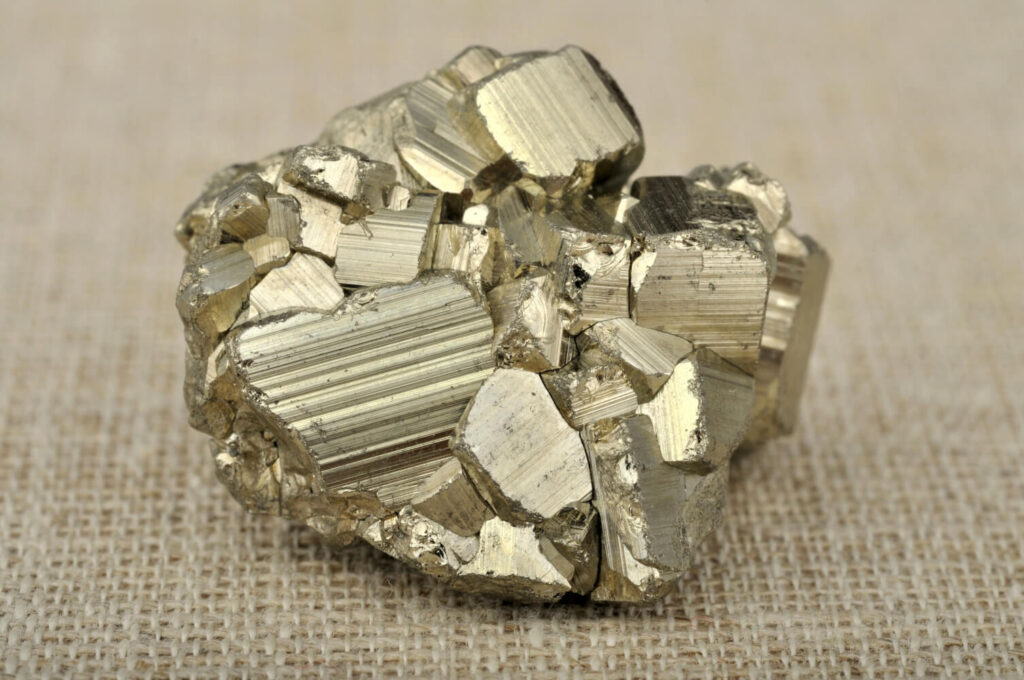
When you find pyrite, you’ll notice its perfect cubic crystal structure. Each crystal can form sharp, straight edges and smooth faces that reflect light like mirrors.
The mineral breaks with a conchoidal fracture, creating smooth, curved surfaces. Its streak is greenish-black to brownish-black, another way to tell it apart from gold.
Historical Significance and Modern Day Uses
Pyrite has played many roles throughout human history, from ancient tools to modern industrial uses. Its bright golden shine and unique properties make it valuable in different ways.
Pyrite in History
Native Americans used pyrite to make tools and decorative items. They valued its strength and beautiful shine.
The mineral got its nickname “fool’s gold” during the 19th-century gold rush. Many miners were tricked by its golden color and metallic luster.
Ancient civilizations used pyrite to start fires by striking it against metal. The sparks it created made it perfect for this task.
You can still find pyrite in old jewelry and decorative items from many cultures. Its durability helped these pieces survive through time.
Contemporary Uses of Pyrite
Today, you’ll find pyrite in several industrial processes. The most important is making sulfuric acid, which helps create many chemicals and products.
If you want to learn more about what pyrite is good for, this guide covers its common uses and benefits.
Pyrite appears in modern jewelry as an affordable alternative to gold. Its natural shine and crystal shapes make beautiful rings and pendants.
You can buy pyrite cabochons for $0.50 to $2 per carat. These smooth, rounded stones work well in rings and necklaces.
Some pyrite contains small amounts of gold. When it has 0.25% or more gold content, mining companies might extract it.
Scientists use pyrite to study ancient environments in sedimentary rocks. Its presence tells them about past conditions on Earth.
Pyrite and its Deceptive Appearance
The shiny, metallic appearance of pyrite has fooled many people into thinking they’ve struck gold. Its yellow-gold color and metallic shine can make it hard to tell apart from real gold.
Visual Identification
Pyrite has a distinct golden hue that closely matches the color of gold. You can spot it by its brassy-yellow shine and cube-shaped crystals.
When you look closely at pyrite, you’ll notice it has sharp, angular faces that form perfect cubes or similar geometric shapes. Gold never forms this way.
The surface of pyrite is harder than gold. You can test this by trying to scratch it with a copper penny – pyrite won’t scratch, but gold will.
Key differences from gold:
- Darker yellow color
- Forms crystal cubes
- Brittle texture
- Greenish-black streak when scratched
Common Misidentifications
Many new mineral collectors mistake pyrite for gold because of its visual appeal. You can avoid this error by checking a few simple features.
Real gold is soft and malleable – it bends rather than breaks. Pyrite breaks into sharp pieces when struck.
The sparkle of pyrite is more metallic and flashy compared to gold’s warm glow. Gold maintains its shine, while pyrite can tarnish and become dull over time.
Simple tests to tell them apart:
- Bite test (gold is soft, pyrite is hard)
- Streak test (pyrite leaves dark streaks)
- Shape check (pyrite forms crystals, gold is rounded)
Assessing Pyrite Value
The worth of pyrite varies based on its crystal formation and current market demands. Raw pyrite sells for $2-5 per pound, while high-quality specimens can reach $100 or more.
Factors Affecting Pyrite Worth
Crystal habit plays a big role in pyrite’s value. Perfect cube formations and larger specimens are worth more than irregular shapes.
The mineral’s condition matters too. Clean, undamaged pieces without rust or tarnish command higher prices.
Size makes a difference in pricing. Larger specimens, especially those over 3 inches, tend to be more valuable.
Key value factors:
- Crystal formation quality
- Size of specimen
- Physical condition
- Natural shine and luster
Market Variability
Pyrite prices change based on collector interest and industrial demand. The mineral’s use in sulfuric acid production affects its commercial value.
The collectors’ market is often separate from industrial pricing. Mineral shows and specialty dealers may charge premium prices for display-quality pieces.
Typical price ranges:
- Raw chunks: $2-5/lb
- Small cubes: $5-15 each
- Museum-grade specimens: $50-200+
- Jewelry pieces: $20-100
Supply levels can affect pricing too. Some locations produce more high-quality specimens than others, which impacts regional prices.
Pyrite as a Collectible
Pyrite’s natural beauty and unique crystal formations make it highly sought after by collectors. These attractive specimens can range from small cubes to complex crystalline structures that fetch premium prices.
Pyrite for Mineral Collectors
Your mineral collection needs space for pyrite’s distinctive pieces. The most valuable specimens show perfect cube shapes or intricate crystal patterns.
Natural pyrite “suns” are among the most prized forms. These disc-shaped formations display radiating crystal patterns that sparkle in the light.
Key collecting factors:
- Crystal size and shape
- Surface shine and luster
- Formation uniqueness
- Damage or scratches
- Origin location
Collecting Fine Pyrite Crystals
The best pyrite crystals show sharp edges and brilliant metallic surfaces. You’ll find the finest specimens come from mines in Spain, Italy, and Peru.
What to look for:
- Clean, sharp crystal faces
- Bright golden color
- No rust spots or tarnish
- Solid structure with no cracks
Store your pyrite pieces in dry conditions to prevent oxidation. Gentle cleaning with a soft brush keeps the surfaces shiny.
Quality pieces can sell from $20 to several hundred dollars depending on size and formation type. The rarest specimens with perfect crystal structures command the highest prices.
Geological Aspects of Pyrite
Pyrite forms in many different rocks and environments through chemical reactions between iron and sulfur. You can find this shiny mineral in both sedimentary and igneous settings.
Pyrite Formation
Iron sulfide minerals need specific conditions to form into pyrite crystals. The process starts when iron-rich fluids mix with sulfur compounds. These reactions often happen deep underground where there’s little oxygen.
The crystals grow slowly over time, creating perfect cube shapes when conditions are right. Some pyrite forms from bacteria that change sulfur into sulfide minerals.
You’ll often see pyrite replacing plant fossils and ancient sea creatures. This happens when the original material gets replaced by pyrite molecules.
Geological Environments
You can spot pyrite in many rock types. It’s common in dark shale rocks formed from ancient mud at the bottom of oceans.
Gold deposits sometimes contain pyrite as a companion mineral. Many gold mines have both minerals mixed together.
Look for pyrite in:
- Coal seams
- Limestone caves
- Hydrothermal veins
- Black shale deposits
- Volcanic rocks
You might find tiny pyrite crystals scattered in light-colored granite. Large crystal clusters often form in underground cavities where mineral-rich fluids once flowed.
Acquiring Pyrite Specimens
Pyrite is easy to find and buy, with many options available through mineral shows, rock shops, and trusted online sellers.
Where to Find Pyrite
You can collect pyrite yourself at many mining sites across the United States and Europe. Popular spots include old iron mines and slate quarries.
Many rock shops keep pyrite specimens in stock. These shops often have a mix of raw crystals, polished pieces, and unique formations.
Mineral shows are great places to find high-quality pyrite. You can see the specimens in person and talk directly with sellers who know their materials well.
Online marketplaces offer a wide selection of pyrite. Make sure to buy from sellers with good ratings and clear photos of their specimens.
Buying Tips for Pyrite
Check these key features when buying pyrite:
- Crystal shape and formation
- Surface shine and color
- Size and weight
- Origin location
- Any damage or cracks
Look for bright, metallic pieces with well-formed crystal shapes. Good specimens have sharp edges and smooth faces.
The price range for basic pyrite specimens is $0.15 to $0.85 per carat. Larger display pieces can cost $10-20 per pound.
Take time to examine pieces carefully before buying. Good lighting helps you spot any flaws or damage.
Ask sellers about the origin of their specimens. Pyrite from famous locations like Spain’s Rio Tinto mines often has higher value.
Crafting with Pyrite
Pyrite’s metallic shine and golden color make it a versatile material for creative projects and jewelry making. Its affordability lets you experiment with different designs without breaking the bank.
Pyrite in Jewelry
Pyrite cabochons cost between $0.50 to $2 per carat, making them perfect for budget-friendly jewelry projects. You can set these smooth, polished stones in rings, pendants, or earrings.
When working with pyrite in jewelry, choose settings that protect the stone since it can be somewhat fragile. Sterling silver and copper settings complement pyrite’s metallic shine beautifully.
You’ll find pyrite beads in various shapes and sizes for creating necklaces and bracelets. These beads often have natural facets that catch the light and create sparkle.
Custom Pyrite Creations
Raw pyrite chunks work great for decorative items like bookends or paperweights. You can incorporate smaller pieces into mixed-media art or mosaics.
Wire wrapping is a popular technique for pyrite specimens. The metallic wire enhances the stone’s natural gleam while creating secure settings for irregular shapes.
Try combining pyrite with other crystals in your projects. Its golden color pairs nicely with dark stones like black tourmaline or deep purple amethyst.
Keep your pyrite creations away from moisture and handle them with care to maintain their shine. A soft cloth is all you need for cleaning your finished pieces.
The Global Perspective
Pyrite deposits span multiple continents and play a key role in both mining industries and mineral collecting communities worldwide. The quality and value of pyrite varies significantly based on where it comes from.
Pyrite around the World
The global pyrite market reached $1.2 billion in value in 2022. This reflects its importance in industrial uses, particularly for making sulfuric acid. The industry needs about 200 million tons of pyrite each year.
You can find pyrite specimens at different price points depending on their source and quality. Most common pieces sell for $0.50 to $2 per carat when cut as cabochons for jewelry.
The fashion jewelry market uses a lot of pyrite, creating a billion-dollar segment within the industry. You’ll often see it in affordable statement pieces and crystal collections.
Notable Pyrite Locations
Peru stands out as one of the world’s best sources of pyrite. The country’s mines produce exceptional cubic crystals that collectors prize.
Spain’s Rio Tinto region yields large quantities of industrial-grade pyrite. These deposits have been mined since ancient Roman times.
You can find valuable pyrite specimens in these places:
- Huanzala Mine, Peru: Perfect cubic crystals
- Navajun, Spain: Large, symmetrical cubes
- Victoria Mine, Colorado: Sharp, bright specimens
- Italian Alps: Unique crystal formations
The most valuable specimens come from mines that produce perfectly formed crystals with bright, metallic luster.
Understanding Pyrite Quality
High-quality pyrite looks metallic and shiny, with perfect crystal shapes that catch the light. The best specimens have clean surfaces and solid structures that resist damage.
Characteristics of High-Quality Pyrite
Top-grade pyrite forms perfect cubes or octahedrons with sharp, well-defined edges. The surface should be smooth and free from scratches or dull spots.
The best pieces show a bright, mirror-like gold color that reflects light brilliantly. Look for specimens with minimal matrix rock attached and no visible cracks.
Crystal size matters – larger, intact crystals are worth more. A single large crystal is often more valuable than multiple smaller ones.
Premium pyrite features:
- Sharp geometric shapes
- Bright metallic luster
- Clean, damage-free surfaces
- Solid internal structure
Pyrite Care and Maintenance
Your pyrite needs gentle handling to stay beautiful. Store pieces separately to prevent scratching, and keep them in a dry place.
Clean your pyrite with a soft, dry brush only. Never use water or cleaning chemicals, as these can damage the surface and cause rust.
Display your specimens away from direct sunlight to prevent fading. Handle pieces by their base or matrix rock, not the crystal faces.
Protection tips:
- Use padded containers for storage
- Keep humidity low
- Avoid all chemical cleaners
- Handle with clean, dry hands
Unique Forms of Pyrite
Pyrite forms in fascinating shapes and structures that make it popular among mineral collectors. The mineral’s ability to take on different crystal forms sets it apart from many other minerals in nature.
Pyrite Pseudomorphs
Pyrite pseudomorphs happen when pyrite replaces another mineral while keeping the original mineral’s shape. You might find pyrite that looks exactly like a seashell or plant fossil, even though the original material is long gone.
These special formations often show amazing detail from the original specimen. Some popular pseudomorphs include pyrite-replaced ammonites and brachiopods from ancient seas.
When you spot a metallic gold-colored fossil, there’s a good chance it’s a pyrite pseudomorph.
Distinctive Pyrite Structures
The most common pyrite crystal shape is the perfect cube. You can find these shiny gold-colored cubes embedded in rock or clustered together in beautiful formations.
Crystal structures you might see:
- Cubic crystals with smooth faces
- Pyritohedral (12-sided) formations
- Octahedral (8-sided) shapes
- Sun-like disc formations called “pyrite suns”
The size of pyrite crystals can range from tiny specks to large specimens several inches across. Well-formed crystals are highly valued by collectors.
Natural pyrite clusters often form striking geometric patterns that make excellent display pieces for your collection.