

Amethyst’s beautiful purple color has made it a favorite gemstone for thousands of years. This member of the quartz family comes in shades from light lavender to deep royal purple, making it perfect for jewelry and crystal collections.
The cost of amethyst ranges from $10 to $200 per carat depending on quality – with most jewelry-grade stones selling for $50-100 per carat in 2025. The price you’ll pay depends on factors like the stone’s color intensity, clarity, and cut quality.
You can find affordable amethyst pieces that fit your budget, whether you’re looking for a small tumbled stone or a high-end faceted gem. The most valuable amethysts display rich, deep purple colors without any visible flaws or inclusions inside the crystal.
The Allure of Amethyst
Amethyst captures attention with its stunning purple color. When you look at this gemstone, you’ll notice shades ranging from light lavender to deep royal purple.
Your eyes will be drawn to high-quality purple amethyst’s rich, saturated color. The most sought-after pieces display an even, deep purple hue without any brown or gray tints.
The stone’s beauty goes beyond its appearance. Many people believe amethyst has calming properties that can help you feel more peaceful and balanced.
You’ll find amethyst in various forms of jewelry. Its durability makes it perfect for everyday wear in rings, necklaces, and earrings.
Light plays beautifully with amethyst’s crystal structure. When you move the stone, you might notice flashes of sparkle and brilliance that bring the purple colors to life.
Natural amethyst forms in geodes and crystal clusters. You can find pieces ranging from small crystals to large cathedral-sized formations that make stunning display pieces.
Fun fact: Ancient Greeks believed wearing amethyst could protect you from intoxication. The word “amethyst” comes from the Greek word “amethystos,” meaning “not drunk.”
The stone’s popularity has remained strong through history. You can find amethyst in both modern fashion jewelry and precious antique pieces dating back centuries.
Evaluating Amethyst Quality
Several key factors determine an amethyst’s quality and value. Professional gemologists look at specific traits to grade these beautiful purple stones.
Color and Hue
The best amethysts display a rich, deep purple color with flashes of red and blue. You’ll want to look for stones with strong color saturation that remains consistent throughout the gem.
Light or patchy coloring typically means lower quality. The most valued pieces show a royal purple shade without any brownish tints.
Avoid stones that look too dark, as they can appear almost black in certain lighting. Natural lighting gives you the best view of an amethyst’s true color.
Clarity and Transparency
A high-quality amethyst should be eye-clean, meaning you can’t see any inclusions without magnification. Hold the stone up to bright light to check its transparency.
You might notice some tiny crystals or “fingerprints” inside lower-quality stones. These inclusions affect both beauty and value.
Clean stones let light pass through easily, creating better sparkle and brilliance. A cloudy or heavily included amethyst will appear dull and lifeless.
Cut and Shape
A well-cut amethyst maximizes the stone’s natural beauty and light performance. Look for symmetrical shapes with even facets that reflect light uniformly.
Popular cuts include:
- Oval
- Round
- Cushion
- Emerald cut
The facets should meet at sharp points without any rough or unpolished areas. A quality cut helps bring out the stone’s color and creates attractive light patterns.
Avoid stones with obvious asymmetry or poorly aligned facets. These flaws can make even a nice color look less appealing.
Amethyst Pricing Factors
Several key elements affect what you’ll pay for an amethyst gemstone. The price can range from $10 to $500+ per carat based on these important factors.
Carat Weight Impact
Carat weight plays a big role in amethyst pricing. Larger stones typically cost more per carat than smaller ones.
A 1-carat amethyst might cost $50, while a 10-carat stone of similar quality could cost $75 per carat or more.
Small amethysts under 1 carat are perfect for everyday jewelry and usually cost $10-30 per carat.
Effect of Treatments
Most amethysts undergo heat treatment to enhance their purple color. This common practice doesn’t reduce their value much.
Natural, untreated amethysts with deep purple colors can fetch premium prices of $200-500 per carat.
Some stones receive additional treatments like irradiation or coating. These treatments make the stones more affordable, often priced at $20-40 per carat.
Gemstone Rarity
The rarest amethysts come from specific locations like Uruguay and show a deep purple color with red flashes.
Top-quality specimens from famous mines can sell for up to $500 per carat.
Common amethyst from Brazil or Africa is more abundant and costs $10-50 per carat, making it perfect for casual jewelry.
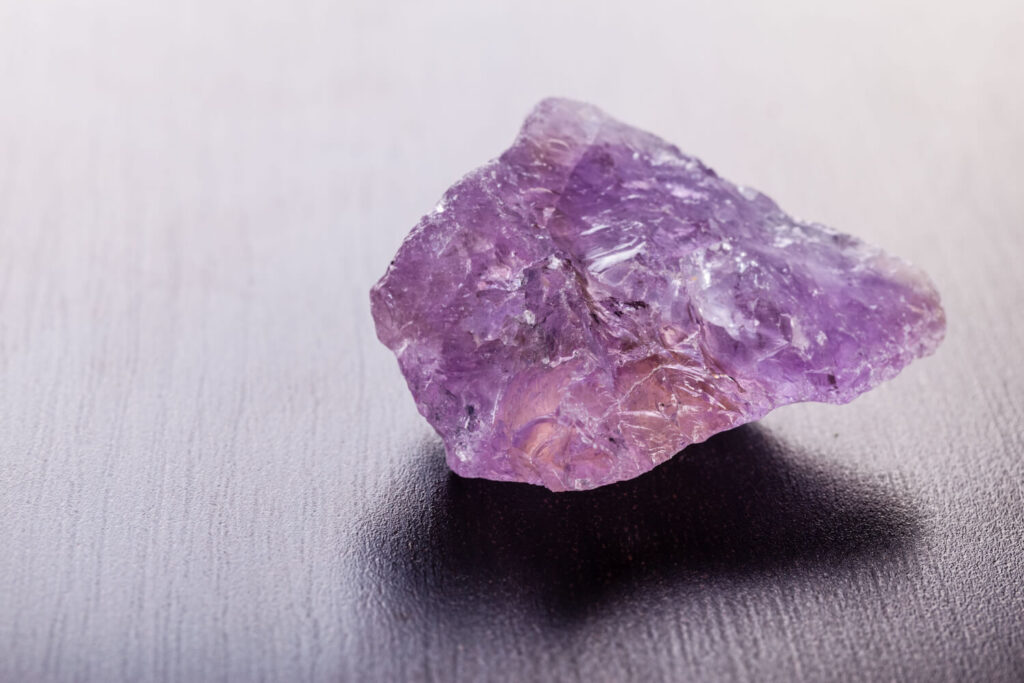
Raw crystals are easier to find and cost less than cut stones. You can buy small raw pieces for $1-10 each.
Types of Amethyst
Different varieties of amethyst come from specific regions around the world, each with unique qualities and characteristics that affect their value and appearance.
Siberian Amethyst
Siberian amethyst is known for its deep purple color with flashes of red and blue. Despite its name, most of these stones don’t actually come from Siberia anymore.
This variety sets the standard for amethyst quality. You’ll find these premium stones have exceptional clarity and a rich, royal purple hue that seems to glow from within.
Top-quality Siberian amethyst typically costs $100-500 per carat. The intense color and high clarity make these stones perfect for fine jewelry and collector pieces.
Zambian Amethyst
Zambian amethyst has gained popularity for its striking deep purple color with hints of blue. These stones come from mines in Zambia’s Kariba region.
The color is often more consistent throughout the stone compared to other varieties. You’ll notice these gems have excellent transparency and fewer inclusions.
Zambian amethyst usually costs $20-100 per carat, depending on quality. These stones offer great value for jewelry making and are widely available in various sizes.
Amethyst Geodes
Amethyst geodes are hollow rock formations lined with beautiful purple crystals. Brazil is famous for producing large, high-quality geodes.
You can find small decorative geodes for $25-100. Larger specimens with bright crystals and dramatic formations can cost thousands of dollars.
The size, crystal quality, and overall formation affect geode prices. Cathedral geodes, which can reach several feet tall, are the most valuable and can sell for $10,000 or more.
Amethyst in Jewelry
Amethyst has become a popular choice for jewelry because of its deep purple color and affordable price point. Purple gems add a royal touch to any jewelry piece without breaking the bank.
Design and Craftsmanship
The best amethyst jewelry starts with high-quality stones that show off their rich purple color. Look for pieces where the stone is well-cut and properly set to catch the light.
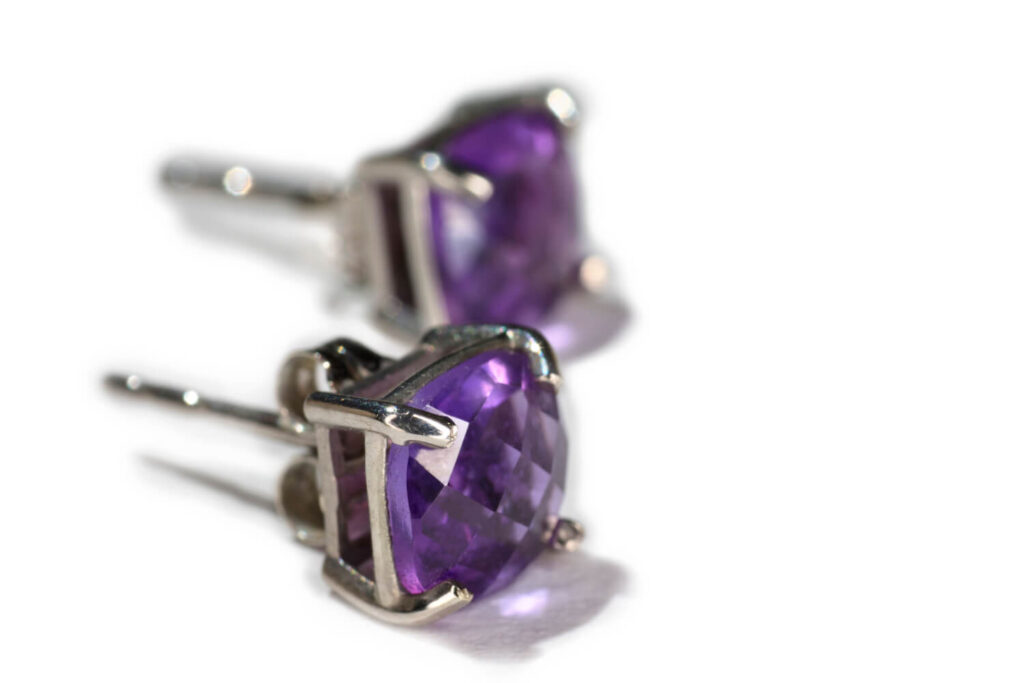
Custom jewelry makers often pair amethyst with white metals like silver or white gold. These metals make the purple color really pop.
You can find beautiful amethyst pieces at:
- Local jewelers
- Online gemstone dealers
- Estate sales
- Craft fairs
Amethyst in Engagement Rings
Amethyst engagement rings offer a unique and budget-friendly choice. These rings often cost 70-80% less than diamond rings of the same size.
When shopping for an amethyst engagement ring, pick stones that:
- Show deep, even color
- Have minimal inclusions
- Are properly cut to sparkle
The gems work well in both modern and vintage-style settings. Many couples choose amethyst for its meaning of devotion and its royal purple shade.
Everyday Amethyst Pieces
You can wear amethyst jewelry daily without worry. The stone ranks 7 on the hardness scale, making it tough enough for regular use.
Popular everyday pieces include:
- Stud earrings: Perfect for work or casual wear
- Pendant necklaces: Great for layering
- Tennis bracelets: Add sparkle to any outfit
Clean your amethyst jewelry with mild soap and warm water. Keep it away from harsh chemicals and store it separately from harder stones to prevent scratches.
Your amethyst pieces will stay beautiful for years with proper care. Many people start their jewelry collection with amethyst because it’s pretty and practical.
Variations and Related Gems
Amethyst has some stunning color-change cousins in the quartz family that offer unique beauty at different price points.
Citrine and Ametrine
Citrine appears in sunny yellow to amber hues and costs $10-30 per carat for good quality stones. Natural citrine is rare – most commercial citrine starts as amethyst that’s heated to achieve its golden color.
Ametrine combines the best of both worlds with purple and yellow zones in a single crystal. This rare gem comes mainly from Bolivia. You’ll find ametrine priced between $5-10 per carat for faceted stones showing clear color zones.
The most valuable ametrine pieces display:
- Sharp color separation between purple and yellow
- Rich, saturated hues
- Even distribution of colors
Green Amethyst – Prasiolite
Prasiolite, often called green amethyst, shows a lovely mint to sage green color. This variety forms when amethyst is heated under specific conditions.
Natural prasiolite is extremely rare. Most pieces on the market start as purple amethyst that’s been treated to achieve the green color.
You can find good quality prasiolite for $15-40 per carat. The most valuable pieces display:
- Bright, minty green color
- Good transparency
- Few visible inclusions
Amethyst as a Birthstone
If you were born in February, amethyst is your birthstone! This beautiful purple crystal brings a special meaning to your birth month.
Wearing your birthstone can help you feel more connected to the natural world. Many people choose amethyst jewelry specifically because it represents their birth month.
Your February birthstone is known for bringing peace and calm into your life. People often wear amethyst to help them feel more relaxed and productive during busy days.
You can find amethyst birthstone jewelry in many styles. Rings, necklaces, and earrings made with this purple gem look stunning in both silver and gold settings.
The great thing about having amethyst as your birthstone is that it’s affordable compared to other gems. You can find beautiful pieces that fit your budget while still getting that special birthstone connection.
Purple has long been associated with royalty, making your February birthstone extra special. You’ll often see amethyst used in crown jewels and royal collections around the world.
Fun fact: You don’t have to be born in February to enjoy amethyst! Many people choose this gem for its beauty and calming properties, regardless of their birth month.
Caring for Your Amethyst
Your amethyst can keep its beauty and value with proper care. Clean your stone monthly with warm water and mild soap to maintain its sparkle.
Never use harsh chemicals or ultrasonic cleaners on your amethyst. These can damage the stone and reduce its worth.
Store your amethyst separately from harder gems like diamonds to prevent scratches. A soft cloth pouch or padded jewelry box works great.
Keep your amethyst away from direct sunlight and heat. Long exposure can fade its purple color, which will lower its value significantly.
Pro tip: Remove your amethyst jewelry before swimming, showering, or doing household chores. Water and chemicals can dull the stone’s finish.
Quick Care Guide:
- Use only soft brushes for cleaning
- Pat dry with a lint-free cloth
- Avoid extreme temperature changes
- Skip the harsh soaps and cleaners
- Remove before physical activities
Check your amethyst settings every few months. Loose stones can fall out and get lost, and good settings help protect your investment.
For high-value amethyst pieces, consider getting them professionally cleaned once a year. This helps maintain their market value and keeps them looking their best.
Expert Insights
Professional gem experts play a key role in setting amethyst prices and quality standards. Market trends and expert evaluations help you make smart buying choices.
What Gemologists Look for
Gemologists check several important features when they grade amethyst stones. They focus on the depth and richness of the purple color, which can range from light lavender to deep violet.
The clarity of the stone matters a lot. Experts look for stones with few inclusions or visible flaws.
A gemologist will examine how the stone handles light. The best pieces show bright sparkle and good transparency.
The cut quality affects the stone’s beauty and value. Expert tip: Well-cut amethysts display better color and brilliance.
Amethyst Price Trends
Current market prices for amethyst vary based on quality:
- Low-quality: $5-20 per carat
- Medium-quality: $20-100 per carat
- High-quality: $100-500 per carat
The amethyst market has seen steady growth in recent years. More buyers are choosing this gem for jewelry and collections.
Supply from major mining regions affects prices. Brazil and Uruguay remain top producers of high-quality amethyst.
Pro tip: You’ll find better prices by shopping during slower retail seasons, like late summer or early winter.
Investing in Amethyst
Investing in amethyst can be a smart choice for those interested in gemstone collecting. High-quality amethyst tends to hold its value well over time.
Look for deep purple stones with excellent clarity when buying for investment. The best investment-grade pieces typically cost between $100-500 per carat.
Natural, untreated stones from Brazil and Madagascar often make the best investments. These locations are known for producing top-quality amethyst crystals.
Your investment options include loose cut stones, rough crystals, and decorative geodes. Large, display-worthy geodes can range from $100 to several thousand dollars.
Some key investment tips to remember:
- Buy from reputable dealers only
- Get certificates of authenticity
- Store your stones properly to maintain their value
- Focus on larger, high-quality pieces
- Avoid dyed or heavily treated stones
The investment market for amethyst remains steady in 2025. While not as valuable as diamonds or rubies, quality amethyst pieces continue to appreciate modestly over time.
Consider starting with a few medium-quality stones ($20-100 per carat) to learn the market. You can build your collection gradually as you gain experience.