
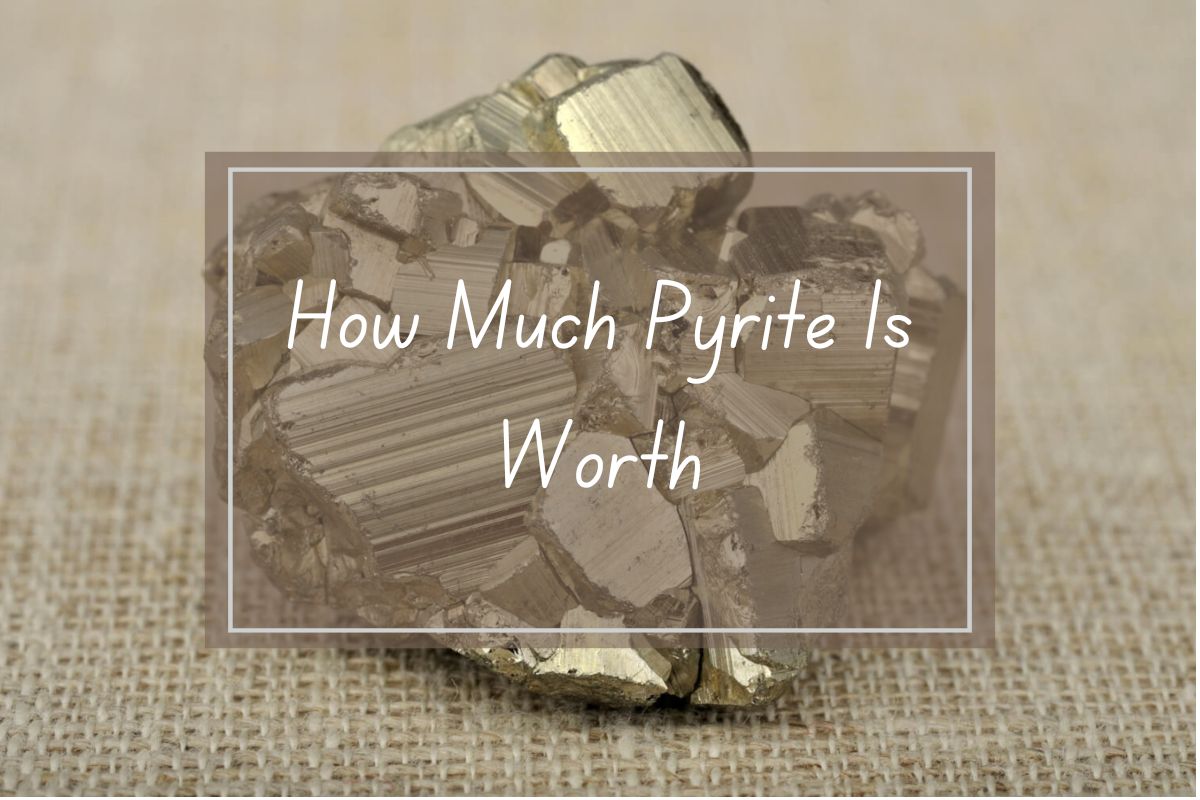
Pyrite, often called Fool’s Gold, catches everyone’s eye with its shiny golden appearance. While it may look like real gold at first glance, its true value is quite different. Most pyrite sells for $0.15 to $0.85 per carat for basic specimens, while high-quality collection pieces can reach $600 to $800.
You might wonder what makes some pieces worth more than others. Pure pyrite with high iron content tends to fetch better prices, especially when formed into perfect cube-shaped crystals. Large, well-formed specimens are popular with mineral collectors and can be worth much more than smaller pieces.
When you’re looking to buy or sell pyrite, you’ll find tumbled stones for under $10, and medium-quality crystal clusters between $20 and $80. Raw pyrite by the pound typically costs between $1 and $10, making it an affordable choice for your mineral collection.
The Fundamentals of Pyrite
Pyrite’s unique properties make it a fascinating mineral that often catches people’s eye with its metallic shine and golden color. Its distinct characteristics help determine both its value and uses.
Defining Pyrite and Its Properties
Pyrite is an iron sulfide mineral with a stunning metallic luster. You’ll recognize it by its brassy-yellow color that looks similar to gold, which is why it earned the nickname “Fool’s Gold.”
The mineral has a hardness of 6 to 6.5 on the Mohs scale, making it much harder than gold. You can test this by trying to scratch a copper penny – pyrite will easily leave a mark.
When you hold a piece of pyrite, you’ll notice it feels heavier than expected. This is due to its specific gravity of about 5.0.
The Crystal Habit of Pyrite
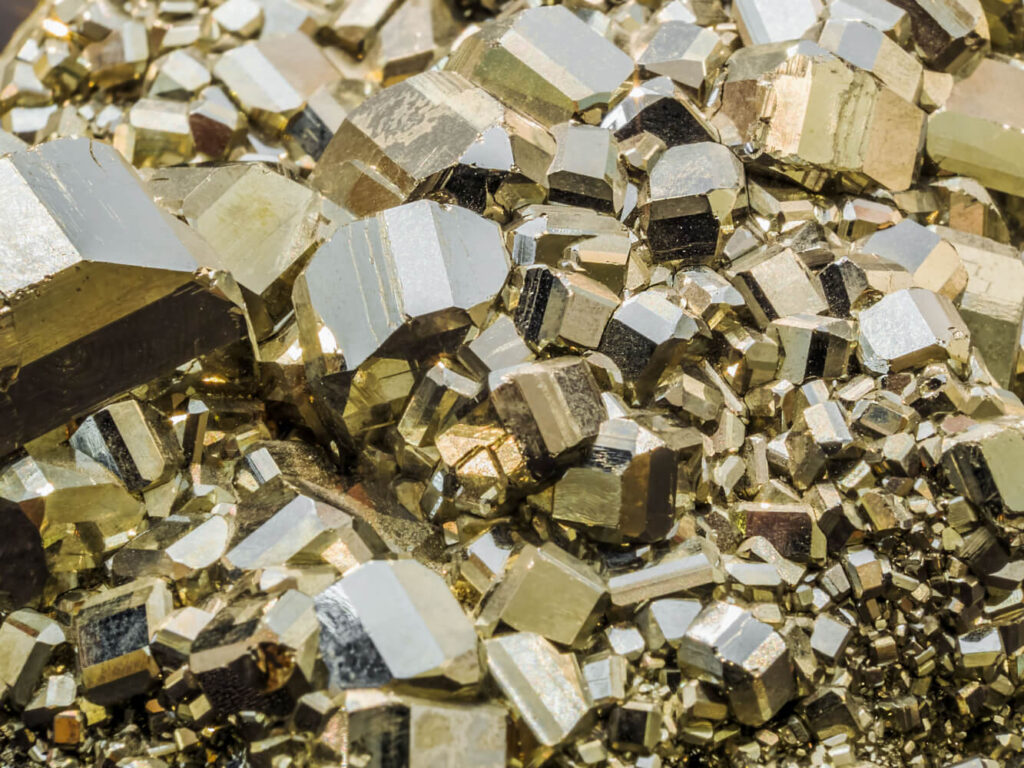
Pyrite forms in perfect cubic crystals more often than most other minerals. You’ll spot these distinct squares and rectangles in high-quality specimens.
Many pieces show natural striations (line patterns) on their crystal faces. These markings run perpendicular to each other and are a key identifier of pyrite.
The crystals can also form in octahedral (eight-sided) shapes or combine into clusters of various sizes.
Varied Quality in Pyrite Specimens
The best pyrite specimens show bright, clean crystal faces with minimal damage. High-quality pieces display sharp edges and perfect geometric forms.
Color can range from pale brass-yellow to deep golden tones. The most valuable specimens have an intense, consistent color without dark spots or tarnishing.
Size matters too – larger single crystals with clear formation are worth more than smaller or broken pieces. Clusters of well-formed crystals can also command higher prices.
Watch out for surface treatment. Some sellers polish pyrite to enhance its shine, but natural crystal faces are more desirable.
Pyrite in Jewelry and Ornamental Uses
Pyrite adds a beautiful metallic shine to jewelry pieces and decorative items. Its golden color and sparkly surface make it perfect for both statement pieces and subtle accents.
Pyrite Jewelry Pieces
Pyrite cabochons are popular in rings and pendants, costing around $0.50 to $2 per carat. These smooth, polished stones sit comfortably against your skin.
You’ll find pyrite used in necklaces, bracelets, and earrings. The stones come in various shapes:
- Round beads
- Oval cabochons
- Teardrop pendants
- Cube-shaped crystals
Keep in mind that pyrite is somewhat fragile for daily wear. It works best in occasional-wear pieces or protected settings.
Crafting with Pyrite Gemstone
You can create stunning decorative items with pyrite’s natural cube-shaped crystals. These pieces work great as:
- Bookends
- Desk decorations
- Meditation stones
- Display specimens
When working with pyrite, use gentle tools and avoid harsh chemicals. The stone can be shaped and polished, but needs careful handling to prevent scratches.
Consider combining pyrite with darker stones or metals to make its golden color pop. Wire wrapping is a great technique for securing pyrite safely in your projects.
Evaluating Pyrite Quality
The quality and value of pyrite depends heavily on its appearance, crystal structure, and unique characteristics. A careful examination of these features will help you determine a specimen’s worth in the market.
Visual Appeal and Crystal Formations
The best pyrite specimens show bright, metallic luster with a rich brass-yellow color. Look for pieces that sparkle and reflect light evenly across their surface.
Clean specimens without matrix rock attached often command higher prices. A piece without scratches, chips, or tarnish will be worth more than damaged specimens.
Crystal formations play a big role in value. Key features to check:
- Sharp, well-defined crystal faces
- Symmetrical growth patterns
- Minimal matrix rock
- Even metallic shine
Pyrite Size and Weight Considerations
Larger pyrite specimens typically fetch higher prices, but size isn’t everything. A small, perfect cube can be worth more than a larger, damaged piece.
Common sizes and values:
- Small specimens (1-2 inches): $5-20
- Medium specimens (2-4 inches): $20-100
- Large specimens (4+ inches): $100+
The weight matters less than the visual size and crystal quality. Heavier pieces aren’t automatically more valuable.
Unique Features: Cubes and Pseudomorphs
Perfect pyrite cubes are among the most sought-after forms. These geometric crystal shapes can command premium prices when they show sharp edges and smooth faces.
Pyrite pseudomorphs, where pyrite has replaced another mineral while keeping its shape, are rare and valuable. These specimens often preserve delicate details from the original mineral.
Special formations to watch for:
- Single perfect cubes
- Cube clusters
- Octahedral crystals
- Shell or fossil replacements
The Value of Pyrite
Pyrite’s value ranges from very affordable to moderately expensive based on its quality and form. The bright, metallic mineral sells for different prices depending on whether you’re buying rough pieces or premium crystal specimens.
Current Market Demand for Pyrite
You’ll find pyrite used in many different ways today. Collectors seek high-quality specimens for display, while industrial buyers use it in manufacturing processes. The mineral remains popular in jewelry and decorative items because of its gold-like appearance.
Most pyrite sales happen through mineral shops and online marketplaces. Small tumbled stones make great starter pieces for new collectors.
Raw pyrite has steady industrial demand for sulfuric acid production. The construction and chemical industries buy significant amounts each year.
Pyrite Prices: From Rough to Fine Crystals
You can buy basic pyrite specimens for $0.15 to $0.85 per carat. These pieces often have irregular shapes but still show the classic metallic shine.
Price ranges by quality:
- Low-quality pieces: $2-20 per carat
- Medium-quality specimens: $20-50 per carat
- Premium crystals: $50-100+ per carat
Large, perfectly formed cubic crystals command the highest prices. Natural clusters of multiple crystals are especially valuable to collectors.
Tumbled stones typically cost less than $10 each. These smooth, polished pieces work well for beginners starting their collection.
Factors Affecting the Worth of Pyrite
Several key factors determine how much your pyrite specimen is worth in the market. The value depends on both physical characteristics and collector demand.
The Influence of Rarity and Quality
The purity of your pyrite makes a big difference in its price. Specimens with higher iron content are worth more than those with lower percentages.
Crystal formation plays a huge role in value. Perfectly formed cubic crystals command higher prices than rough or irregular pieces.
Some pyrite comes from mines that are now closed. These rare pieces from historic locations can be worth much more to collectors.
The condition of your specimen matters too. Pieces without damage, rust, or tarnishing are more valuable than those showing wear or oxidation.
Size and Aesthetic Appeal
Larger pyrite specimens often bring higher prices, but size isn’t everything. A small, perfect cube might be worth more than a larger, damaged piece.
The shine and luster of your pyrite affect its value. Bright, metallic surfaces that reflect light well are most desirable.
Crystal clusters with multiple well-formed shapes tend to be worth more than single crystals. The arrangement and visual impact make them popular with collectors.
Color can impact price too. The most valuable pieces show that classic brassy-gold color without any dark spots or discoloration.
Collecting Pyrite Specimens
Pyrite specimens are popular among mineral collectors for their shiny golden appearance and fascinating crystal shapes. The price for quality specimens ranges from $20 to $800, making them accessible to collectors at many budget levels.
Seeking Pyrite at Mineral Shows
Mineral shows are great places to find high-quality pyrite specimens. You can examine pieces in person and talk directly with sellers who know their specimens’ origins.
Look for pieces with sharp crystal faces and minimal damage. The most valuable specimens show perfect cube shapes or unique formations.
Bring a small magnifying glass to check for scratches or chips. Many sellers at shows offer better prices than online retailers.
The Charm of Pyrite Samples
Pyrite’s nickname “Fool’s Gold” adds to its appeal as a collection piece. The best samples show bright, metallic luster and clean geometric forms.
Popular Pyrite Forms:
- Perfect cubic crystals
- Octahedral shapes
- Natural clusters
- Striated faces
Small specimens cost between $0.15 to $0.85 per carat. Display-quality pieces with large crystals or unusual formations command higher prices.
Keep your pyrite collection in dry conditions to prevent tarnishing. Good specimens maintain their shine for many years with proper care.
Common Questions About Pyrite
Pyrite raises many questions about its similarities to gold and safety concerns. These key points will help you identify and handle this mineral safely.
The Difference Between Pyrite and Real Gold
Pyrite earned its nickname “Fool’s Gold” because of its golden, metallic shine. You can tell them apart with some simple tests.
Pyrite has a brassy yellow color, while real gold has a rich, warm yellow tone. Try scratching a copper coin – pyrite will easily leave a mark because it’s harder (6-6.5 on Mohs scale), while gold is too soft (2.5-3) to scratch copper.
The crystal structure is another clear giveaway. Pyrite forms cubic or angular crystals with striations on their faces. Gold never forms these geometric shapes – it appears more rounded and lumpy.
Is Pyrite Safe to Handle?
Pyrite is generally safe to handle, but you should take some basic precautions.
Always wash your hands after touching pyrite specimens. When exposed to water and air over long periods, pyrite can break down and form sulfuric acid, though this process is very slow.
Keep your pyrite dry and away from high humidity. Store it in a sealed container with a silica gel packet if you live in a damp climate.
Don’t grind or break pyrite without proper ventilation and safety gear. The dust can be harmful if inhaled.
Pyrite in Education and Research
Scientists and students use pyrite, also known as iron sulfide, to learn about Earth’s history and chemical processes. Labs and classrooms worldwide value this shiny mineral as a teaching tool and research specimen.
Studying Pyrite’s Geological Significance
Pyrite helps you learn about ancient environments and rock formation. When you examine pyrite crystals under a microscope, you can see perfect cube shapes that reveal important details about crystal growth.
Scientists use pyrite to study how sulfur moves through the Earth’s crust. The mineral acts as a time capsule, preserving information about past conditions on Earth.
You can find pyrite in many different rock types, making it perfect for teaching about mineral deposits. Its presence tells you about the oxygen levels in ancient seas and helps track environmental changes.
Pyrite in Academic Teaching
Your geology class likely has pyrite specimens because they’re great for hands-on learning. Students can easily test pyrite’s properties:
- Hardness: Scratch tests show pyrite’s durability (6-6.5 on Mohs scale)
- Crystal shape: Perfect cubic forms teach crystal systems
- Color: Metallic brass-yellow helps learn mineral identification
Teachers use pyrite to demonstrate chemical reactions in labs. When you expose pyrite to air and water, it creates rust – a great way to learn about oxidation.
The mineral’s nickname “Fool’s Gold” makes it fun to teach mineral identification skills. You can compare it to real gold using simple tests like streak and hardness.
Tips for Buying and Selling Pyrite
Getting the best price for pyrite means knowing what to look for and where to make your transactions. Clean specimens and trusted sellers make a big difference in your success.
How to Determine Pyrite Value
The value of pyrite depends mainly on its quality and appearance. A clean, shiny piece will be worth more than a dull or damaged one.
Use a streak test to make sure you’re getting real pyrite – it should leave a greenish-black streak on unglazed porcelain. This helps you avoid mistaking it for gold.
Key Value Factors:
- Color (bright gold is best)
- Crystal formation (cubic crystals are most valuable)
- Size of specimen
- Clarity and shine
- Damage or oxidation
Store your pyrite in a dry place to prevent rust and keep its value high. Moisture can cause pyrite to break down over time.
Where to Buy or Sell Pyrite
The best places to buy pyrite are mineral shops and trusted online dealers. Local rock shops often have good specimens at fair prices.
Recommended Places to Buy:
- Specialty mineral stores
- Gem shows and mineral fairs
- Reputable online marketplaces
- Rock shop websites
When selling pyrite, clean it carefully first. Remove any dirt but don’t use harsh chemicals that might damage the surface.
Look for buyers who specialize in minerals. These might include:
- Local mineral dealers
- Online crystal shops
- Collector groups
- Mineral trading websites
Always get multiple price quotes before selling. Prices can vary a lot between buyers.
Caring for Your Pyrite Collection
Proper care keeps your pyrite specimens shiny and beautiful for years to come. Regular maintenance and smart display choices will help preserve their metallic luster and prevent damage.
Cleaning and Maintenance of Pyrite
Keep your pyrite dust-free with a soft, dry brush or cloth. Never use water or cleaning solutions, as these can cause rust and tarnishing.
Store your pieces in a dry environment with low humidity. Consider using silica gel packets in display cases to absorb excess moisture.
Handle your pyrite specimens with clean, dry hands. The oils from your skin can dull the surface over time.
For pyrite jewelry, remove your pieces before swimming, showering, or applying lotions and perfumes.
If tarnishing occurs, do not try to clean with harsh chemicals. Take valuable pieces to a professional mineral cleaner.
Displaying Your Pyrite to Enhance Its Appeal
Place your pyrite in a well-lit area to showcase its metallic shine. LED lights work great and won’t cause heat damage.
Display options for loose specimens:
- Clear acrylic stands
- Custom-fitted boxes with padding
- Glass-covered display cases
- Wooden shelves with felt lining
Group similar sizes together for visual impact. Small clusters look stunning in glass domes, while larger specimens make eye-catching centerpieces.
Keep pyrite away from direct sunlight and heat sources. Too much heat can cause color changes and damage.
Use dark backgrounds to make the golden color pop. Black velvet or dark wood creates amazing contrast.