
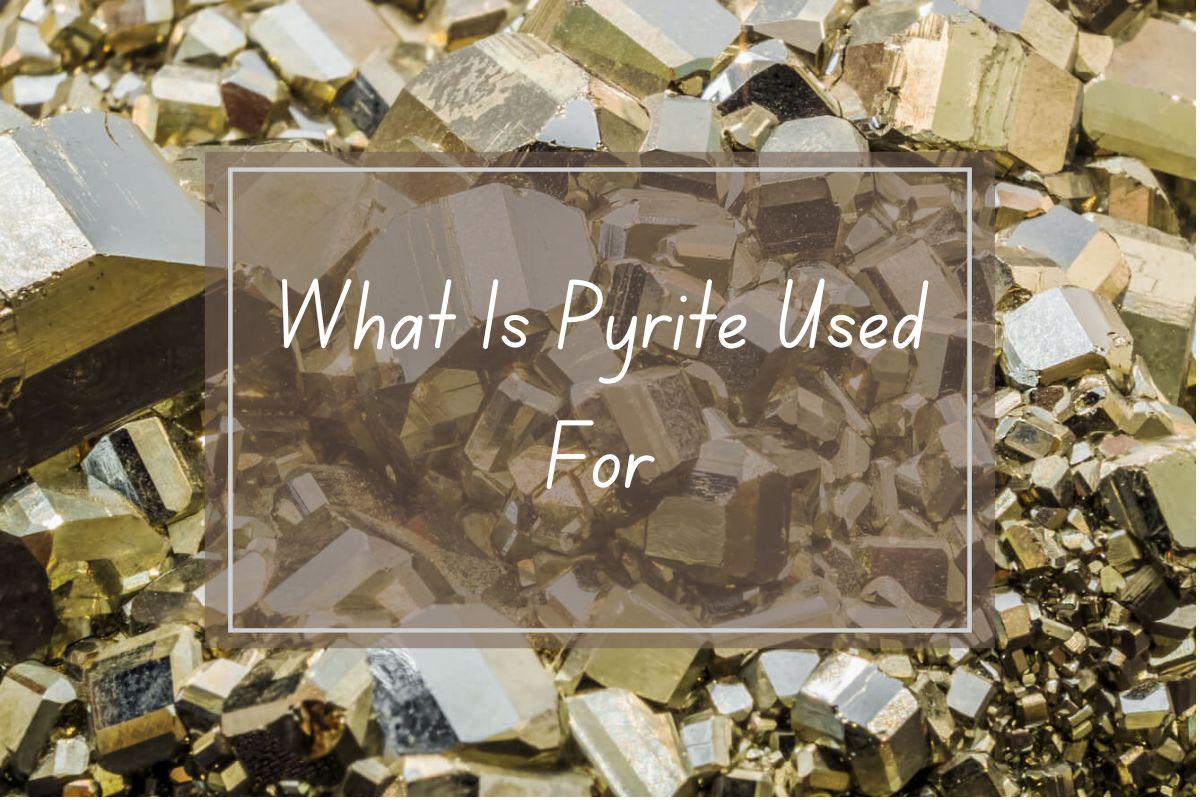
Have you ever picked up a shiny yellow rock and wondered if you struck gold? That gleaming mineral might be pyrite, also known as fool’s gold. Its brass-yellow color and metallic shine make it easy to mistake for real gold, but this common mineral has many useful purposes of its own.
Pyrite serves as a valuable resource in manufacturing sulfuric acid and iron sulfate, while also finding its way into decorative items like jewelry and ornamental pieces. You’ll find this versatile mineral in various products around you, from matches to paints, proving that even fool’s gold can be truly valuable.
Your interest in pyrite might grow when you learn about its protective qualities in crystal healing practices. Many people keep pyrite nearby to attract success and abundance, making it a popular choice for both practical and spiritual uses.
The Basics of Pyrite
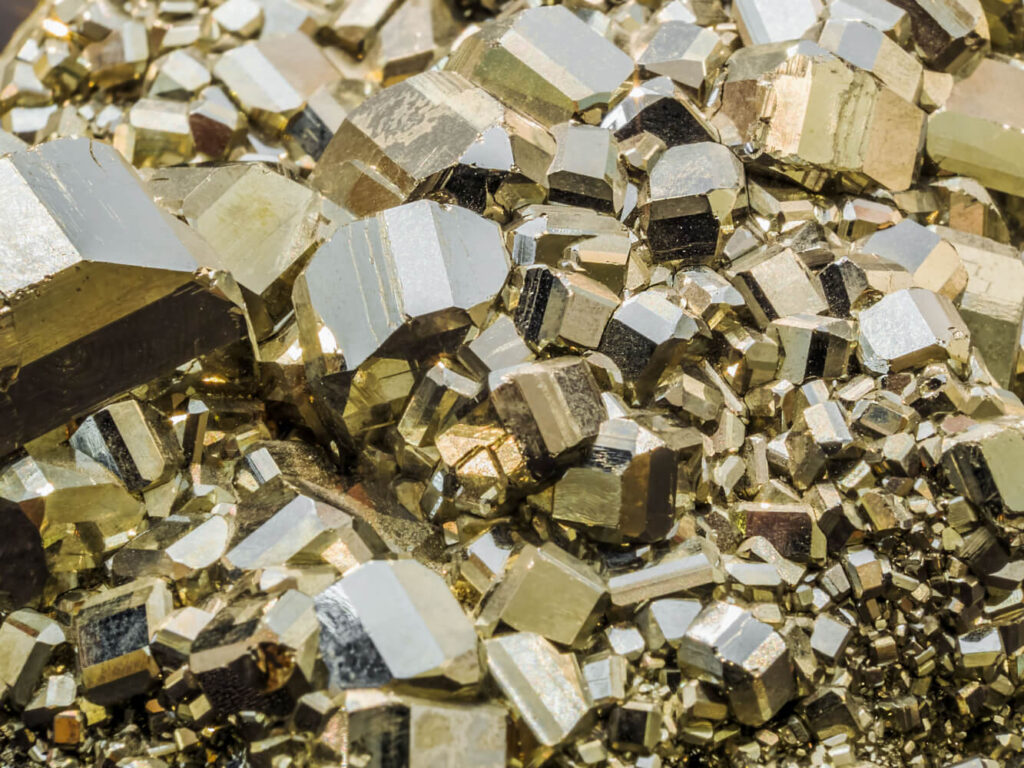
Pyrite is a fascinating mineral that sparkles with a metallic, golden shine. Its unique crystal structure and physical traits make it easy to identify, even though it’s sometimes mistaken for gold.
Chemical Composition and Crystal Structure
Pyrite consists of iron and sulfur atoms bonded together as iron sulfide (FeS2). When it forms, pyrite creates perfectly shaped cubic crystals that look like tiny building blocks. You can often spot these geometric shapes with their smooth, flat faces.
The crystal structure is what gives pyrite its distinct appearance. Each iron atom connects to six sulfur atoms, creating a strong and stable mineral. These bonds result in the formation of cubic, octahedral, or pyritohedral crystal shapes.
Physical Properties and Identification
The best way to identify pyrite is by its brassy-yellow color and metallic shine. You can scratch pyrite against a streak plate to see its greenish-black streak – quite different from gold’s yellow streak.
Pyrite ranks 6-6.5 on the Mohs hardness scale, making it much harder than gold. You can test this by trying to scratch it with a nail – pyrite won’t scratch easily.
The mineral has a specific gravity of 5.0 and breaks with sharp, uneven edges when fractured. Its crystals often show striations, or fine parallel lines, on their faces.
When exposed to air and water, pyrite can oxidize and develop a darker, tarnished surface. This helps distinguish it from more stable precious metals.
Geological Formation and Occurrence
Pyrite forms in places with low oxygen and high sulfur levels where iron is present. You can find this shiny brass-yellow mineral in many different rock types around the world.
Pyrite in Sedimentary Environments
Sedimentary rocks hold lots of pyrite deposits. You’ll often spot pyrite in dark shale and limestone where ancient organic matter got trapped millions of years ago.
Coal beds are great places to find pyrite. The sulfur from decomposed plants combines with iron to create those signature cubic crystals.
Marine sediments are perfect for pyrite formation. When bacteria break down organic material in low-oxygen conditions, they produce sulfide that reacts with iron to form pyrite.
Pyrite in Metamorphic and Igneous Settings
Heat and pressure create amazing pyrite formations in metamorphic rocks. You can see beautiful pyrite crystals along the edges where hot magma touched existing rock layers.
Hydrothermal veins are like pyrite highways. Hot mineral-rich fluids flow through rock cracks, leaving behind sparkly pyrite deposits.
Granite and other igneous rocks sometimes contain scattered pyrite crystals. These form when sulfur-rich magma cools and the minerals crystallize.
In volcanic areas, you might find pyrite where hot gases once bubbled through the rock. These deposits often form neat cubic crystal shapes.
Historical Uses of Pyrite
People have used pyrite’s unique properties in fascinating ways throughout human history. From ancient mirrors to early weapons, this brassy yellow mineral served many important purposes.
Pyrite in Ancient Practices
Ancient Egyptians found clever uses for pyrite’s reflective surface. They polished it into mirrors that let them see their reflections clearly. The shiny mineral caught everyone’s eye, and many cultures used it in jewelry and decorative items.
You might be surprised to learn that pyrite was also used to make early compasses in some regions. Its crystal structure, called pyritohedral, created specific shapes that made it useful for navigation.
Some people confused pyrite with its cousin mineral marcasite, which looks similar. Both minerals ended up in ancient jewelry, though pyrite was more common because it’s stronger.
The Role of Pyrite in Early Firearms
Your ancestors relied on pyrite to help them create fire. When struck against steel, pyrite creates sparks that can light tinder.
This spark-making ability made pyrite perfect for early firearms. Gunsmiths used it in flintlock mechanisms during the 1600s and 1700s. When the trigger pulled, the pyrite struck steel and created sparks to ignite the gunpowder.
Early firearms makers sometimes mixed pyrite with other minerals like bravoite to get better results. The mix of minerals helped create more reliable sparks.
Industrial and Economic Importance
Pyrite plays a vital role in multiple industries, serving as a key source of sulfur for chemical production and as an alternative iron ore in metal manufacturing.
Pyrite in the Sulfur and Sulfuric Acid Industry
Pyrite is one of the main sources of sulfur used to make sulfuric acid. When heated, pyrite releases sulfur dioxide gas that gets converted into sulfuric acid through chemical processing.
This sulfuric acid becomes an essential ingredient in many products you use daily. It helps create fertilizers that grow your food, and it’s used to make paper products and chemicals that go into everything from car batteries to cleaning supplies.
Many manufacturing plants extract sulfur from pyrite through a roasting process. This creates pure sulfur dioxide that can be used directly or transformed into other sulfur-based chemicals.
Pyrite as an Iron Ore Source
You might not know that pyrite contains around 47% iron, making it useful as an iron ore in some cases. While it’s not the first choice for iron production, it serves as a backup source when traditional iron ores are scarce.
In iron smelting, pyrite acts as a helpful fluxing agent. It helps remove unwanted materials from iron during the manufacturing process.
Some steel mills mix pyrite with other iron ores to create better quality metal products. The sulfur content in pyrite can actually improve certain metal casting processes.
Pyrite and the Gold Rush
During the California Gold Rush of the 1840s, many hopeful miners mistook pyrite for real gold due to its similar yellow color and metallic shine. This confusion led to pyrite’s famous nickname “fool’s gold.”
Distinguishing Pyrite from Gold
When you look at pyrite and gold side by side, there are key differences that can help you tell them apart. Color: Gold has a deeper, richer yellow tone, while pyrite appears more brassy and pale.
Crystal Shape: Pyrite forms distinct cubic or octahedral crystals with sharp edges. Gold never forms these geometric shapes – it appears more rounded and irregular.
You can also do a simple scratch test. Pyrite is harder than gold and won’t scratch as easily. If you scratch the surface with a nail, real gold will leave a golden mark, while pyrite leaves a greenish-black powder.
Quick Tips for Identification:
- Gold is soft and bendable
- Pyrite breaks rather than bends
- Gold has a consistent color at all angles
- Pyrite’s color changes slightly as you rotate it
Modern Utilizations of Pyrite
Pyrite serves essential roles in modern construction and renewable energy sectors. Its unique properties make it valuable for strengthening building materials and improving solar technology efficiency.
Pyrite in Construction and Concrete Production
When mixed into concrete, pyrite adds significant strength and durability to your building materials. The mineral’s iron content helps create stronger bonds within the concrete mixture.
Small amounts of pyrite (usually 2-5%) can boost concrete’s compression strength by up to 15%. You’ll find this enhanced concrete in:
- Highway infrastructure
- Bridge supports
- High-rise building foundations
- Underground tunnels
The pyrite particles also help prevent crack formation by absorbing mechanical stress. This makes your concrete structures last longer and require less maintenance.
Pyrite and Photovoltaic Solar Panels
Pyrite’s semiconductor properties make it useful in solar panel production. You can find pyrite in thin-film solar cells, where it acts as an affordable alternative to traditional silicon.
These are the key benefits of using pyrite in solar technology:
- Lower production costs
- Abundant natural supply
- Non-toxic composition
- High light absorption capability
Recent advances have improved pyrite solar cell efficiency to 3-5%. While this is lower than silicon cells, the significantly reduced cost makes it attractive for large-scale solar projects.
The mineral’s ability to convert sunlight into electricity continues to improve with new manufacturing techniques.
Environmental Impact and Acid Mine Drainage
Mining and using pyrite can create serious problems for water and ecosystems. When pyrite comes in contact with air and water, it forms a toxic substance called acid mine drainage that can harm plants, animals, and water sources.
Acid Mine Drainage Mitigation Strategies
You can help prevent acid mine drainage through several proven methods. The first step is to keep pyrite away from water and air exposure using special covers or seals.
Installing water treatment systems at mining sites helps clean contaminated water before it reaches streams and groundwater. These systems use limestone and other materials to neutralize the acid.
Building proper drainage channels directs water away from exposed pyrite. This reduces the amount of acid that forms in the first place.
Regular monitoring of water quality near pyrite sites lets you catch problems early. Testing pH levels and metal content helps track if prevention methods are working.
Using special bacteria that naturally process the acid can help clean up affected areas. These helpful microbes break down harmful compounds into less dangerous forms.
Remember to properly store any pyrite samples or materials. Keep them in dry, sealed containers away from moisture to prevent acid formation.
Recognizing Pyrite in Jewelry and Collectible Specimens
Pyrite’s metallic shine and golden color make it eye-catching in both jewelry pieces and natural specimens. Its unique cubic crystal formations add visual interest to decorative items.
Characteristics of Pyrite Used in Jewelry
When shopping for pyrite jewelry, look for pieces that showcase the mineral’s natural cube-shaped crystals or smooth, polished surfaces. The metal will have a bright, brass-yellow color that sparkles under light.
Quality pyrite specimens will feel heavier than glass or plastic imitations. You can test this by carefully holding the piece in your hand – genuine pyrite has a solid, weighty feel.
Natural pyrite formations often show distinctive striations (parallel lines) on crystal faces. These marks help identify authentic specimens from synthetic materials.
In jewelry settings, you’ll find pyrite as beads, cabochons (smooth, rounded stones), or rough crystal clusters. Popular styles include:
- Pendant necklaces
- Statement rings
- Chunky bracelets
- Decorative brooches
Watch out for any pieces showing rust spots or brownish discoloration, as these indicate the pyrite may be degrading.
Global Sources and Trade
Pyrite mining and trade spans multiple continents, with several key countries dominating the market. Many nations export this useful mineral for industrial applications like steel production and chemical manufacturing.
Leading Countries in Pyrite Mining and Export
Italy stands as the top pyrite exporter, bringing in over $5.5 million from international sales. Their high-quality pyrite feeds industries worldwide.
China plays a major role as both producer and consumer. You’ll find they import about 65% of global pyrite supplies while also maintaining significant mining operations.
Bulgaria has become a notable player in the export market, with trade values reaching nearly $41 million. Their pyrite helps supply European industrial needs.
Russia and Peru contribute to the global supply through their mining operations, though at smaller scales than the market leaders.
When you buy pyrite-based products, they often come from these main sources. Each country specializes in different grades and specifications to meet varied industrial needs.
The trade routes mainly flow toward countries with strong manufacturing sectors that need pyrite for steel making and chemical production.