
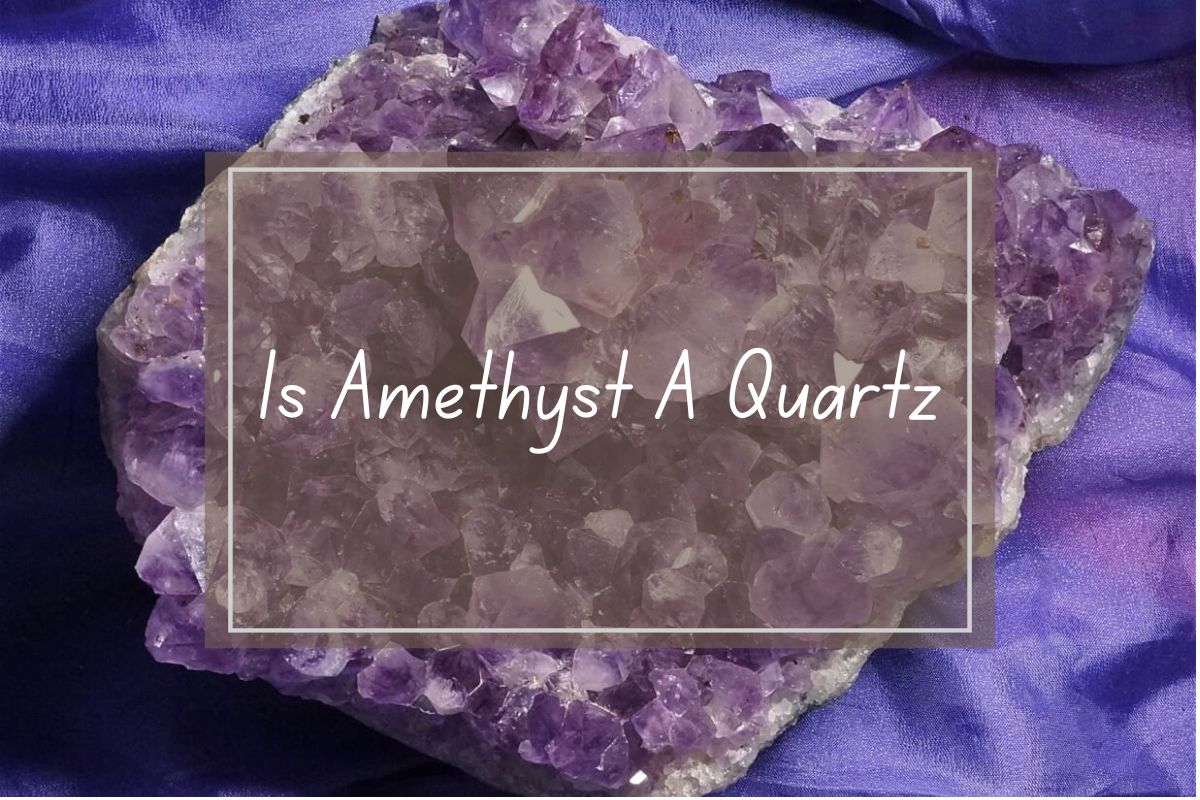
Have you ever wondered about the stunning purple gemstone that catches your eye in jewelry stores? You might be surprised to learn that amethyst is more common than you think.
Amethyst is actually a variety of quartz crystal, sharing the same chemical makeup as clear quartz but with traces of iron and aluminum that give it its signature purple color. The purple shades can range from soft lavender to deep violet, making each piece unique.
Ancient Greeks believed amethyst had special powers to prevent drunkenness – they even made drinking vessels from it! Today, you can find amethyst in volcanic rocks and veins around the world, where it forms alongside other minerals like calcite and pyrite.
What Is Amethyst?
Amethyst is a beautiful purple crystal known for its striking color and role as a popular gemstone. This variety of quartz gets its famous violet hue from iron impurities and other trace elements.
Definition and Basic Facts
Amethyst comes from the Greek word “amethystos,” which means “not drunken.” Ancient Greeks believed this stone could protect them from becoming intoxicated.
The crystal ranges from light violet to deep purple, sometimes showing hints of red or blue tones. You’ll often find it used in jewelry and decorative items because of its eye-catching appearance.
Your amethyst pieces can have different levels of transparency, from nearly clear to almost opaque. The most prized specimens show rich, deep purple coloring with excellent clarity.
Amethyst as a Variety of Quartz
Amethyst is made of silicon dioxide – the same chemical compound as all quartz crystals. The main difference is the presence of iron and other trace elements that give it its purple color.
When you look at amethyst’s structure, you’ll see it forms in the same hexagonal crystal system as other quartz varieties. It typically grows in geodes or hollow rock cavities.
This purple mineral forms in volcanic rocks and hydrothermal veins. You might find it alongside other minerals like:
- Calcite
- Pyrite
- Hematite
The Beauty of Amethyst
Amethyst captures the eye with its enchanting purple hues and brilliant crystal structure that makes it one of the most beloved varieties of quartz.
Color and Appearance
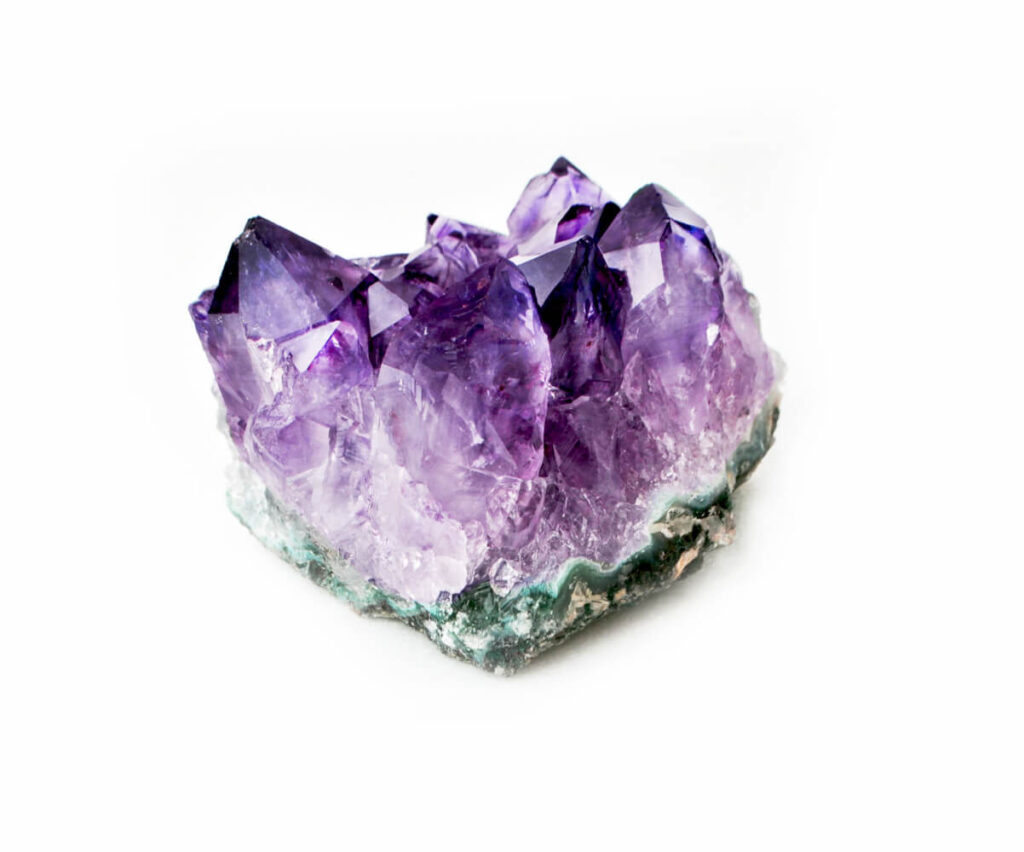
The most striking feature of amethyst is its rich purple coloring. You’ll find shades ranging from soft lilac to deep royal purple, with some crystals showing zones of lighter and darker colors.
The gem’s color comes from iron and other trace elements in its crystal structure. When light hits an amethyst, you can see its amazing transparency and glass-like luster.
The best amethyst specimens show even, saturated purple tones throughout the crystal. Your piece might display color zoning, where bands of deeper and lighter purple create beautiful patterns.
Physical Properties
Your amethyst will show the classic features of quartz, with a hexagonal crystal structure that often forms into points or clusters.
The stone ranks 7 on the hardness scale, making it tough enough for daily wear in jewelry. You can find amethyst in both transparent and slightly cloudy varieties.
The crystal’s surface has a vitreous (glass-like) shine that really catches the light. When cut and polished, amethyst takes on an even more brilliant appearance.
Many pieces show distinctive growth lines and patterns that make each crystal unique to you.
Geological Formation
The purple beauty of amethyst forms through amazing natural processes in the Earth’s crust. Natural forces combine minerals, heat, and pressure to create these stunning crystals.
How Amethyst Forms
Your amethyst crystal started as silica-rich fluid deep within volcanic rocks. Iron and other trace minerals mixed with the silica give amethyst its famous purple color.
The crystals grow slowly over millions of years as the hot fluid cools down. This careful process creates the perfect crystal structure that makes amethyst so beautiful.
When you look at amethyst’s crystal structure, you’ll see it matches other quartz varieties. The special growth conditions and mineral content make it purple instead of clear or white.
Amethyst Geodes
Most amethyst you’ll find comes from special hollow spaces called geodes. These round spaces form in igneous rock when gas bubbles get trapped as lava cools.
Hot mineral solutions seep into these spaces through tiny cracks. The minerals build up layer by layer on the inside walls of the bubble.
Your amethyst geode might take millions of years to form as crystals grow bigger and bigger. The best specimens have deep purple crystals that point toward the center of the geode.
The inside of a geode can range from small pocket-sized spaces to huge caverns big enough to stand in. The size depends on the original gas bubble and how long the crystals had to grow.
Amethyst Sourcing
Professional amethyst mining happens in many places around the world. The stone’s quality and color can vary based on where it comes from.
Primary Mining Locations
Brazil leads global amethyst production, with major deposits in Rio Grande do Sul. The region is famous for its huge amethyst geodes that can reach several feet tall.
Uruguay’s Artigas mines produce beautiful deep purple amethyst geodes. These mines are among the most important sources worldwide.
Russia has notable deposits that yield deep purple crystals prized by collectors. The Ural Mountains have been a key source for centuries.
Bolivia’s mines produce unique ametrine, a rare mix of amethyst and citrine in the same crystal.
United States Deposits
You can find excellent amethyst sources right here in the United States. The Four Peaks Mine in Arizona stands out as the country’s main producer of gem-quality amethyst since the early 1900s.
Maine and Colorado offer spots where you might find smaller amethyst specimens. These locations are popular with rock collectors and mineral enthusiasts.
Thunder Bay in Nova Scotia holds deposits of lighter purple amethyst crystals. Local mines welcome visitors who want to try their hand at collecting.
You’ll find most U.S. deposits in old volcanic areas where the crystals formed millions of years ago.
Amethyst in Jewelry
Amethyst makes a stunning choice for jewelry pieces with its rich purple color and excellent durability. This beloved February birthstone adds elegance to any piece while remaining tough enough for daily wear.
Cut and Shape
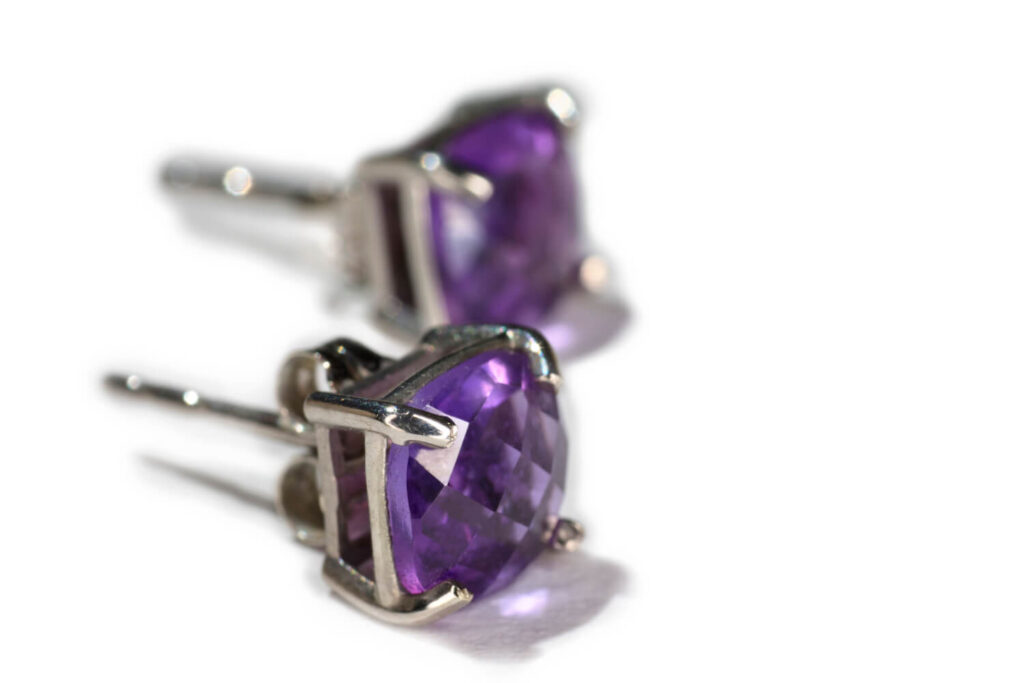
You’ll find amethyst cut in many beautiful shapes for jewelry. Round and oval cuts bring out the gem’s sparkle, while emerald cuts create a sleek, sophisticated look.
The stone’s hardness of 7 on the Mohs scale means your jeweler can safely shape it into fancy cuts like marquise or pear without risk of damage.
Larger amethyst pieces work great as statement pendants or ring centerpieces. Smaller stones look lovely when used in clusters or accent stones.
Your amethyst will shine brightest when cut with proper angles that show off its purple color and internal sparkle.
Setting and Style
Sterling silver and white gold settings create a modern look that lets your amethyst’s color take center stage.
You can find amethyst in many jewelry styles:
- Solitaire rings
- Drop earrings
- Tennis bracelets
- Pendant necklaces
- Brooch pins
The gem pairs beautifully with diamond accents for added sparkle. Rose gold settings offer a warm, romantic feel against the purple tones.
Consider bezel settings for everyday pieces – they protect your stone’s edges while looking sleek and contemporary.
Physical and Optical Properties
Amethyst shares many physical and optical traits with other quartz varieties, making it both beautiful and durable. Its exceptional hardness and unique way of interacting with light give it special qualities you’ll want to know about.
Hardness and Durability
Your amethyst jewelry will last for many years thanks to its impressive durability. On the Mohs scale, amethyst ranks 7 out of 10, making it resistant to scratches from most everyday items.
This purple quartz variety has a specific gravity of 2.65, which means it’s slightly heavier than water but lighter than many other gemstones.
You can clean your amethyst with warm soapy water without worry. Its strong crystal structure helps it hold up well to normal wear and tear.
Refractive Index and Brilliance
When light passes through your amethyst, it creates a beautiful sparkle thanks to its refractive index of 1.544-1.553. This gives the stone its appealing vitreous (glass-like) luster.
Your amethyst has a special property called birefringence. This means it splits light into two beams as it passes through the crystal, creating interesting optical effects.
The stone’s transparency can range from crystal clear to slightly cloudy, affecting how much light passes through. The best specimens show excellent clarity and strong purple color zones.
Unique Features of Amethyst
Amethyst stands out among quartz varieties with its striking purple color and special crystal formations. Each piece contains unique patterns and variations that make it truly special.
Color Zoning and Inclusions
Your amethyst piece might display beautiful bands of color that range from light lavender to deep purple. These zones form naturally as the crystal grows, creating stripes or patches of varying intensity. Some crystals show fantastic color patterns near their tips.
Iron and other trace minerals create tiny inclusions inside the crystal. You’ll often spot these as small specks or lines that catch the light. Some pieces contain liquid bubbles trapped millions of years ago.
Ametrine and Other Varieties
Ametrine combines the best of two worlds – purple amethyst and golden citrine in a single crystal. You’ll see a clear split between the colors, making each piece truly unique.
Smoky amethyst mixes purple tones with smoky brown shades. These crystals form when natural radiation affects the crystal structure.
Rose quartz and crystal quartz are cousins to amethyst in the quartz family. While they share similar crystal shapes, each has its own special color signature.
You might spot interesting blends where amethyst grows alongside clear quartz or other minerals. These combinations create one-of-a-kind specimens that collectors love.
Cultural and Historical Significance
Amethyst has played a major role in human culture for thousands of years. People across many civilizations have treasured this purple gem for its beauty and believed powers.
Amethyst Throughout History
Ancient Egyptians used amethyst in jewelry and sacred objects. They carved the stones into amulets for protection and placed them in tombs to guard the dead.
The Greeks had a special connection to amethyst. They named it “amethystos,” meaning “not drunk,” because they believed it prevented intoxication. Many Greeks would drink from amethyst cups or wear the stone while drinking wine.
Medieval European royalty prized amethyst as a symbol of power. They used it in crown jewels and royal decorations. The stone became linked with February birthdays during this time.
Symbolism and Lore
Many cultures see amethyst as a stone of spiritual growth. You might find it interesting that people often connect it to the crown chakra, which relates to wisdom and higher consciousness.
The gem has a strong link to peace and protection. Ancient societies believed amethyst could:
- Guard against negative energy
- Promote clear thinking
- Help with meditation
- Support sobriety
Religious leaders have used amethyst in rings and ceremonial items. The Catholic Church especially valued its purple color, which matched the robes of bishops and other church officials.
Today, many people still wear amethyst for its traditional protective qualities. You’ll often see it in meditation spaces and healing practices.
Spiritual and Healing Properties
Amethyst brings powerful benefits for spiritual growth and emotional balance. Its purple energy creates a shield of protection while opening your connection to higher consciousness.
Chakras and Energy
Your third eye and crown chakras respond strongly to amethyst’s vibrations. When you place this crystal near these energy centers, it helps activate your intuition and spiritual awareness.
The stone creates a protective bubble around your energy field. This natural shield blocks negative energies and electromagnetic stress from affecting you.
Amethyst helps balance your emotional state by:
- Reducing anxiety and stress
- Calming anger and irritability
- Easing sadness and grief
- Supporting emotional healing
Uses in Meditation and Healing
Hold amethyst in your hand during meditation to deepen your practice. Its calming energy helps quiet mental chatter and makes it easier to enter peaceful states.
You can place amethyst crystals on your body while lying down for healing work. Popular spots include:
- On your forehead (third eye)
- At the crown of your head
- Over your heart
- Under your pillow for sleep
The crystal supports your immune system and natural healing abilities. Many people use it to boost their body’s recovery process and release tension.
Create a healing grid by placing 4 amethyst points around you in a square formation. This amplifies the stone’s protective and nurturing properties.
Collecting and Caring for Amethyst
Amethyst’s lovely purple color and durability make it a great choice for collectors. Taking good care of these gems will keep them beautiful for many years.
Amethyst Collectors and Markets
Amethyst comes in many price ranges, making it perfect for both new and experienced collectors. You can find quality pieces at gem shows, specialty shops, and trusted online sellers.
Raw amethyst specimens often cost less than cut gems. A small rough crystal might start at $5-10, while high-grade cut stones can reach hundreds of dollars.
The best specimens come from Brazil, Uruguay, and Zambia. Look for deep purple colors and clear crystals without visible flaws.
Popular collector pieces include:
- Raw crystal clusters
- Polished points
- Cut gemstones
- Cathedral geodes
Maintaining Amethyst’s Beauty
Clean your amethyst with warm water and mild soap using a soft brush. Rinse it well and dry with a soft cloth.
Keep your stones away from strong sunlight – it can fade their color over time. Store them separately from harder gems to prevent scratches.
Tips for protecting your collection:
- Avoid ultrasonic cleaners
- Don’t use harsh chemicals
- Keep away from high heat
- Store in a fabric-lined box
Your amethyst can last for generations with proper care. Check your pieces regularly for any signs of damage or loose settings in jewelry.