
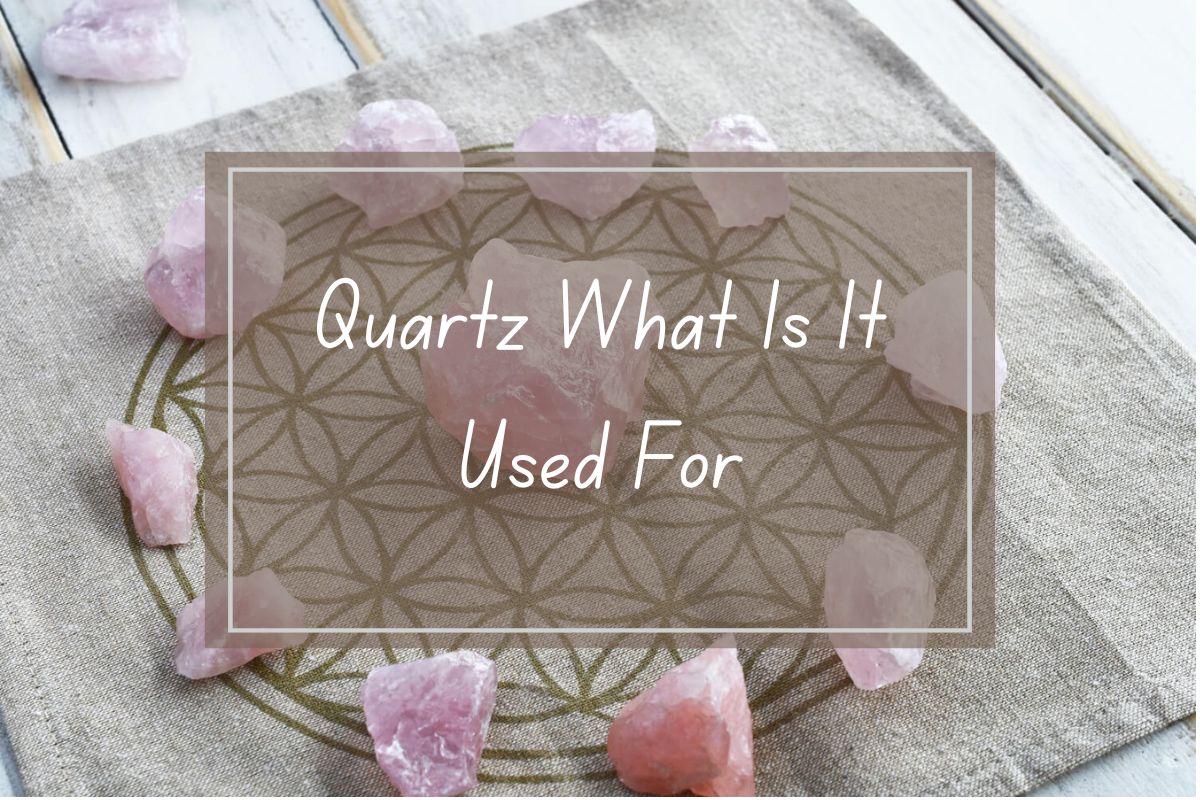
Quartz is a fascinating mineral that you might see every day without realizing it. This common mineral, made of silicon dioxide, appears in countless products around your home and workplace. From the screen of your phone to the windows in your house, quartz plays a big role in modern life.
Quartz serves many important uses, including the manufacturing of glass, electronics, and jewelry, plus it works as an effective abrasive for cleaning and polishing. When you look at a piece of quartz, you’re seeing one of Earth’s most versatile materials – it can be clear as water or come in beautiful colors like purple, pink, and amber.
You might be surprised to learn that quartz sand helps create the bottles in your kitchen, the fiberglass in your walls, and even the sand traps on golf courses. Its natural hardness makes it perfect for these jobs, and its abundance makes it an affordable choice for many industries.
Formation and Types of Quartz
Quartz exists as one of Earth’s most common minerals, created through fascinating natural processes and appearing in many beautiful varieties. You’ll find it used in everything from jewelry to electronics.
Natural Formation
Quartz forms when silicon and oxygen atoms join together in a crystal structure. The process starts deep within the Earth where hot mineral-rich fluids cool and create perfect conditions for crystal growth. These crystals develop slowly, sometimes taking thousands of years to form.
The basic building block of quartz is silicon dioxide (SiO2). As these molecules stack together, they create the six-sided crystal structure that makes quartz so special.
You can find quartz in many places around the world. It forms in rocks, caves, and open spaces where minerals can slowly crystallize.
Types of Quartz
Pure Quartz Varieties:
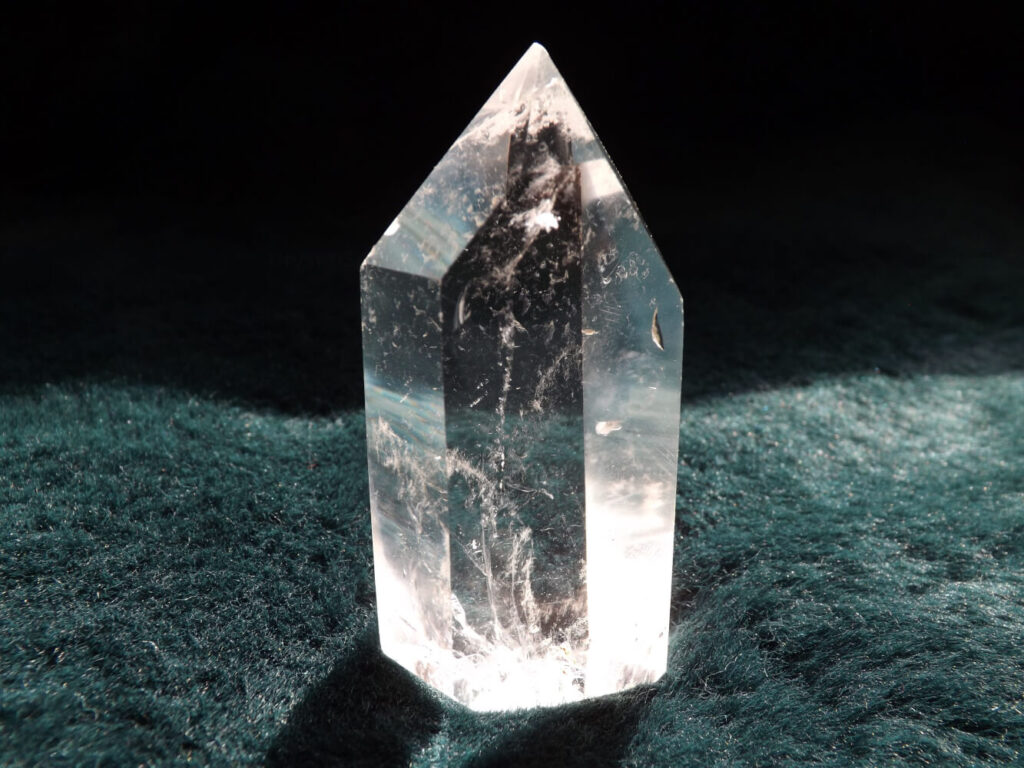
- Clear Quartz (Rock Crystal): Transparent and colorless
- Smoky Quartz: Brown to gray coloring
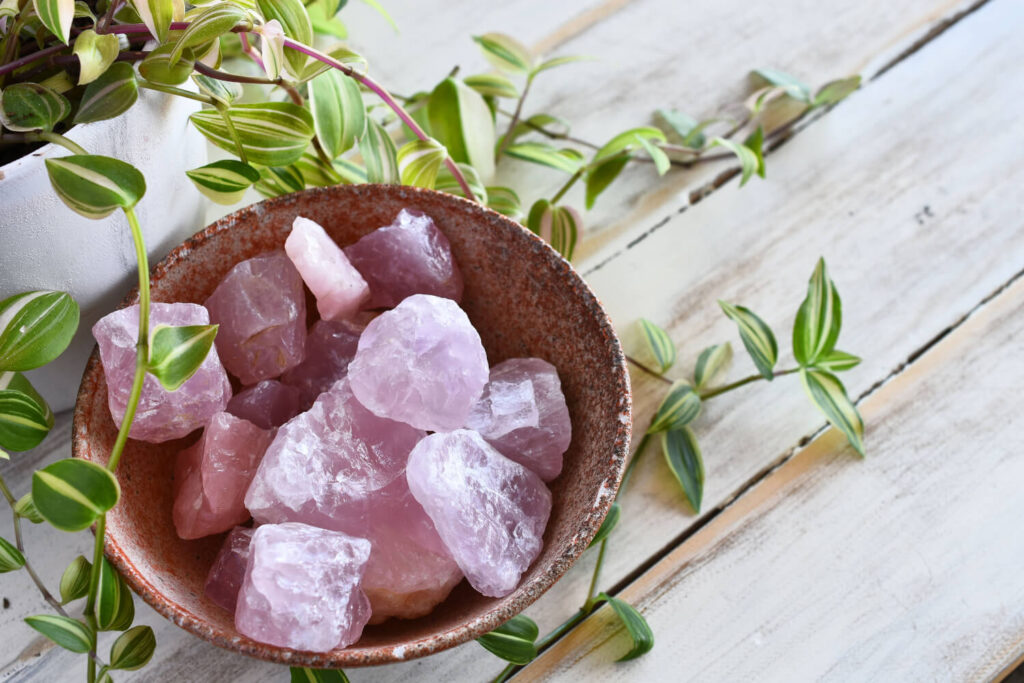
- Rose Quartz: Soft pink color
- Amethyst: Purple crystals
- Citrine: Yellow to orange hue
Each type gets its color from tiny amounts of other elements or natural processes during formation. Rose quartz contains traces of titanium, while amethyst gets its purple color from iron.
You’ll often see these varieties in jewelry and decorative items. Some types, like clear quartz, are also used in electronics and optical equipment.
Natural quartz crystals range from tiny specimens to massive formations weighing hundreds of pounds.
Physical and Chemical Properties
Quartz stands out as nature’s toughest and most common mineral. Its unique blend of chemical makeup and physical traits makes it perfect for many everyday uses.
Chemical Structure
Silicon and oxygen team up to form quartz’s basic building blocks. You’ll find these atoms arranged in a repeating pattern of SiO2 molecules, with each silicon atom linked to four oxygen atoms. This forms a strong, stable crystal structure that’s hard to break down.
The chemical formula might look simple, but it creates an incredibly strong bond. These bonds give quartz its amazing resistance to most acids and chemicals.
Pure quartz is clear, but tiny amounts of other elements can give it beautiful colors. Iron can make it purple or yellow, while titanium or manganese can turn it pink.
Physical Characteristics
Your quartz crystal will score a 7 on the Mohs hardness scale. This means it can scratch glass and most other common minerals.
When quartz breaks, it creates smooth, curved surfaces that look like shells. Scientists call this conchoidal fracture.
You can spot quartz by its glassy shine, known as vitreous luster. It’s also see-through (transparent) to cloudy (translucent), depending on how pure it is.
The mineral stays solid and stable up to very high temperatures. Your quartz piece won’t melt until it reaches about 1,700°C (3,092°F).
Quartz in Electronics and Technology
Quartz crystals power many of your everyday electronic devices. These amazing crystals create precise electrical signals that help your devices work reliably and accurately.
Oscillators and Timepieces
Your quartz watch keeps perfect time thanks to tiny quartz crystals inside. When electricity flows through these crystals, they vibrate exactly 32,768 times per second.
This ultra-precise vibration helps your digital devices measure time down to the smallest fraction of a second. Your phone, computer, and GPS all use quartz crystals to stay synchronized.
The vibrating crystals act like tiny tuning forks in radios and cell phones. They help filter out unwanted signals and keep communications clear and stable.
Scientific Instruments
Quartz crystals make scientific measurements more accurate and reliable. Your GPS receiver uses quartz to help track satellite signals and pinpoint your location.
Laboratory equipment relies on quartz components to take precise readings. The crystals help scientists measure tiny changes in pressure, temperature, and electrical signals.
Research labs use quartz filters to study different frequencies of light and sound. The pure crystal structure lets specific wavelengths pass through while blocking others.
The durability of quartz makes it perfect for harsh lab conditions. The crystals keep working even when exposed to many chemicals and temperature changes.
Quartz as a Gemstone
Quartz ranks among the most popular gemstones in the world, with beautiful varieties like amethyst, rose quartz, and citrine taking center stage in both jewelry and crystal collections.
Jewelry Making
Quartz makes an excellent choice for your jewelry because it scores a 7 on the Mohs hardness scale, making it tough enough for daily wear. You’ll find many beautiful options to choose from, including purple amethyst, pink rose quartz, and golden citrine.
Clear quartz crystals sparkle brilliantly when cut and polished, catching light from every angle. Jewelers often use these stones in rings, pendants, and earrings.
Many quartz varieties are affordable compared to other gemstones, letting you build a collection without breaking the bank.
Healing and Metaphysical Properties
Many crystal enthusiasts believe different quartz varieties carry unique energetic properties. You might use clear quartz as an amplifier for other crystals or meditation practices.
Rose quartz is known as the “stone of love,” and people often keep it close to promote self-love and healing.
Amethyst quartz is popular for its supposed calming effects. You’ll often see it used in meditation spaces and healing practices.
Practitioners recommend placing quartz crystals in your living space or wearing them as jewelry to stay connected to their energetic properties throughout the day.
Quartz in Construction and Home Decor
Natural and engineered quartz bring beauty and strength to homes and buildings. These materials offer great value for both decorative and practical uses.
Countertops and Tiles
Quartz countertops give your kitchen a luxurious look while staying tough against daily wear. You can choose from many colors and patterns to match your style.
Engineered quartz needs no sealing and resists stains better than natural stone like granite. You won’t need to worry about spills from wine, coffee, or cooking oils.
The material works great for bathroom vanities too. Its non-porous surface keeps bacteria away and makes cleaning simple.
Floor tiles made from quartz can handle heavy foot traffic. They’re perfect for entryways and kitchens where you need something durable.
Building Materials
Quartz helps make buildings stronger. Construction companies mix it with cement to create more durable foundations and structures.
You’ll find quartz in many types of concrete aggregate. Its hardness adds extra strength to roads, bridges, and building foundations.
Quartz glass plays a key role in modern construction. Your windows might contain quartz components that help them resist scratches and damage.
Builders use quartzite, a natural form of the material, for stone walls and decorative features. It brings natural beauty while staying strong against weather and time.
Quartz in the Industrial Sector
Quartz plays a vital role in manufacturing thanks to its unique properties like heat resistance and purity. The mineral helps create many products you use every day.
Glassmaking
Your windows, drinking glasses, and smartphone screens all start with quartz sand. Glass manufacturers mix pure quartz sand with other materials and heat them to extremely high temperatures.
The sand needs to be very clean and have just the right grain size to make quality glass products. Different types of glass need different quartz purities – for example, your smartphone screen requires ultra-pure quartz.
When melted with other materials like soda ash and limestone, quartz creates the clear, strong glass you see everywhere. This process has been used for thousands of years, though modern techniques make much clearer glass.
Foundry and Casting
Metal foundries rely on quartz sand to make molds for casting metal parts. The sand works great because it can handle extreme heat without breaking down.
When you pour molten metal into these sand molds, the quartz keeps its shape and lets the metal cool into the exact form needed. The sand can be reused many times.
Foundries also use quartz to remove impurities from metals during the casting process. The mineral helps trap unwanted elements like oxygen, leading to stronger final products.
Many car parts, machine components, and metal tools in your daily life were shaped using quartz sand molds.
Applications in the Oil and Gas Industry
Quartz plays a vital role in modern oil and gas extraction processes. Its unique properties make it perfect for getting oil and gas out of the ground and keeping equipment running smoothly.
Hydraulic Fracturing
When you need to extract oil and gas from deep underground, silica sand made from quartz is your best friend. The sand acts as a proppant during fracking – it helps keep tiny cracks in the rock open so oil and gas can flow out.
The process mixes quartz sand with water and chemicals under high pressure. This mixture gets pumped deep into oil wells where it creates and maintains pathways in the rock.
The sand needs to be very strong since it faces extreme pressure underground. Quartz is perfect because it won’t break down even under intense heat and pressure.
Petrochemical Uses
Your drilling equipment works better and lasts longer thanks to quartz powder. When mixed into drilling fluids, it helps control viscosity and keeps operations running smoothly.
Quartz powder improves wellbore stability during drilling. It fills tiny spaces between rock particles and prevents cave-ins.
The uniform particle size of quartz powder is key. It lets you control fluid properties precisely and enhances how well oil flows through the rock.
Quartz also helps remove oxygen and other impurities from the drilling process. When added to equipment and fluids, it bonds with unwanted elements so they can be filtered out easily.
Geological Significance of Quartz
Quartz acts as a key mineral in telling Earth’s story through rocks and soil. You can find this hardy mineral almost everywhere you look – from sandy beaches to towering mountains.
Weathering and Soil Formation
When rocks break down, quartz sticks around while other minerals dissolve or change. You’ll spot quartz grains in many types of soil since they resist chemical breakdown so well.
These tough quartz crystals often end up in sand and sandstone. Over millions of years, they get packed together to form new rocks.
The amount of quartz in soil tells you a lot about its age. More quartz usually means older soil that’s been weathered longer.
Geological Settings
You’ll find quartz in all three main rock types. It forms naturally in cooling magma, making it common in granite and other igneous rocks.
When heat and pressure transform rocks deep underground, quartz helps create metamorphic rocks like gneiss. The quartz crystals often form striking bands and patterns.
Hot water moving through rock cracks creates hydrothermal veins filled with pure quartz crystals. These veins can contain valuable minerals and gems.
Quartz makes up a big part of many sedimentary rocks. You can spot it easily in sandstone, where old quartz grains cement together to form new rock layers.
Industrial Abrasives and Sandblasting
Quartz sand plays a big role in industrial cleaning and surface preparation. Its natural hardness and durability make it perfect for cutting through tough materials and creating smooth finishes.
Uses in Abrasives
Quartz ranks at 7 on the Mohs hardness scale, making it tough enough to scratch and shape many materials. You’ll find it in many cleaning and polishing products.
Ground quartz appears in scouring powders and cleaning compounds. These products help you remove stubborn stains and built-up grime from surfaces.
In woodworking, quartz-based sandpaper helps smooth rough surfaces. While not the sharpest abrasive, it’s affordable and works well for basic sanding tasks.
Sandblasting Applications
Sandblasting with quartz helps clean and prepare surfaces in many industries. You can use it to remove:
- Rust from metal
- Old paint
- Surface contamination
- Corrosion
The process works by shooting tiny quartz particles at high speed using compressed air. This creates a clean, textured surface ready for painting or coating.
Quartz sandblasting works great for:
- Metal preparation
- Building restoration
- Industrial equipment cleaning
- Concrete surface texturing
Choose finer quartz grains for delicate work or coarser particles for heavy-duty cleaning jobs.
Cutting-Edge Uses of Quartz
Quartz plays a vital role in modern technology and scientific research. Its unique properties make it perfect for precision instruments and advanced optical applications.
Innovations in Technology
Your smartphone likely contains tiny quartz crystals that help keep time with amazing accuracy. When electricity passes through quartz, it vibrates at a very steady rate – perfect for digital clocks and computer processors.
Quartz helps power many electronic sensors in your car and home appliances. These sensors measure things like temperature, pressure, and movement.
Modern security systems use quartz components in their motion detectors and alarm triggers. The crystal’s reliable electrical properties make these systems more accurate and dependable.
Optical and Scientific Uses
Scientists use pure quartz glass to make high-quality lenses for telescopes and microscopes. The glass lets light pass through clearly without distortion.
Quartz components are essential in many laser systems. The crystal helps control and focus the laser beam for medical procedures and industrial cutting.
Laboratory equipment often includes quartz beakers and tubes. These tools resist heat and chemicals better than regular glass, making them perfect for experiments.
Research labs use quartz in sensitive measuring devices. Its stability under different temperatures and pressures helps scientists get accurate readings.